
Most homeowners have a moment when a home repair estimate stops feeling like a number and starts feeling like a lie. The contractor said one thing. The invoice says another. Somewhere between the two, the cost quietly doubled.
What makes this frustrating is not just the money. It is the sense that the estimate was never real to begin with. In reality, most home repair estimates are not wrong because someone is dishonest. They are wrong because home repairs operate under uncertainty that homeowners rarely see upfront.
Estimates Are Built on Partial Visibility
The biggest reason estimates miss the mark is simple: contractors can only price what they can see.
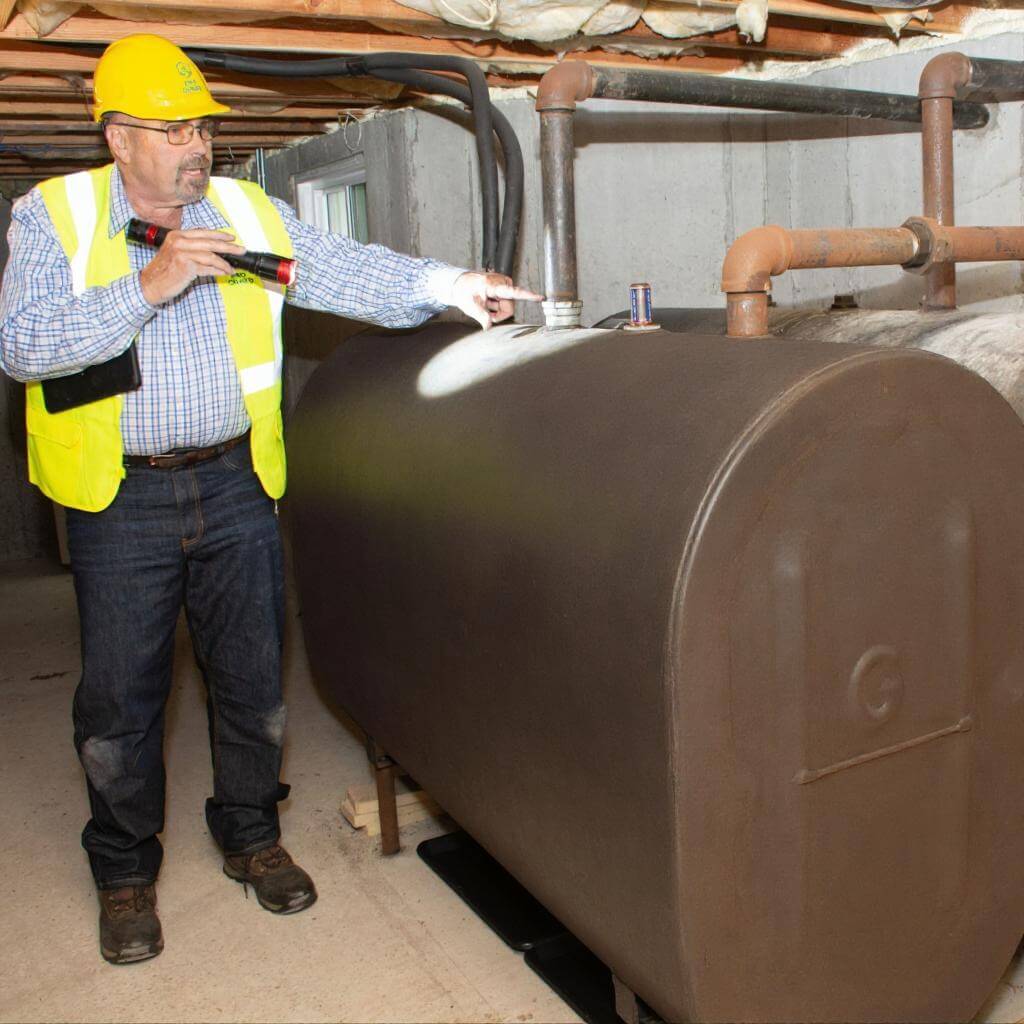
Many of the most expensive home repairs involve systems hidden behind walls, under floors, or underground. Until work begins, no one knows the full condition of what lies beneath the surface. Materials may be more degraded than expected. Damage may extend farther than initial signs suggest. Previous repairs may complicate access.
A home repair estimate is often a best guess based on limited information. Once demolition or excavation starts, that guess gets tested against reality.
Homes Are Not Standardized Products
Unlike cars or appliances, homes are not built from identical parts. Even houses built in the same year can behave very differently based on soil conditions, materials, past repairs, and usage.
Repair estimates assume a “typical” scenario. The moment a home deviates from that scenario, costs change. Older homes, in particular, are full of exceptions. Unusual layouts, nonstandard materials, and undocumented changes made decades earlier all introduce variability that estimates struggle to capture.
The more unique the home, the less reliable the home repair estimates are.
Discovery Is Where Costs Change
Most estimates are written before discovery happens.
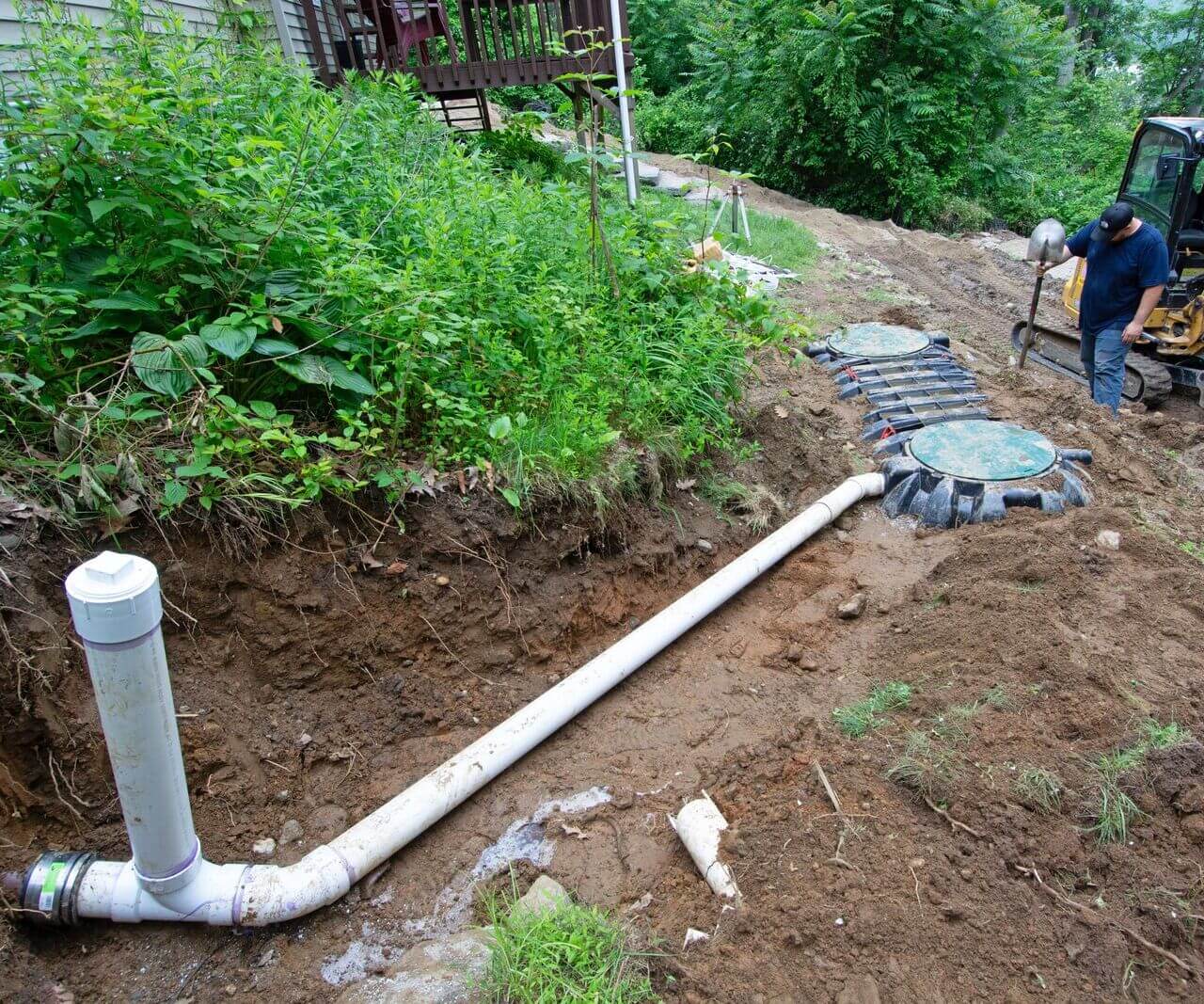
Discovery is the phase where contractors uncover what was previously hidden. Opening walls, removing flooring, digging soil, or dismantling systems often reveals secondary damage that could not be confirmed earlier.
Once discovery happens, estimates stop being hypothetical. Costs rise not because of poor planning, but because the scope has expanded in ways that were not visible at the start.
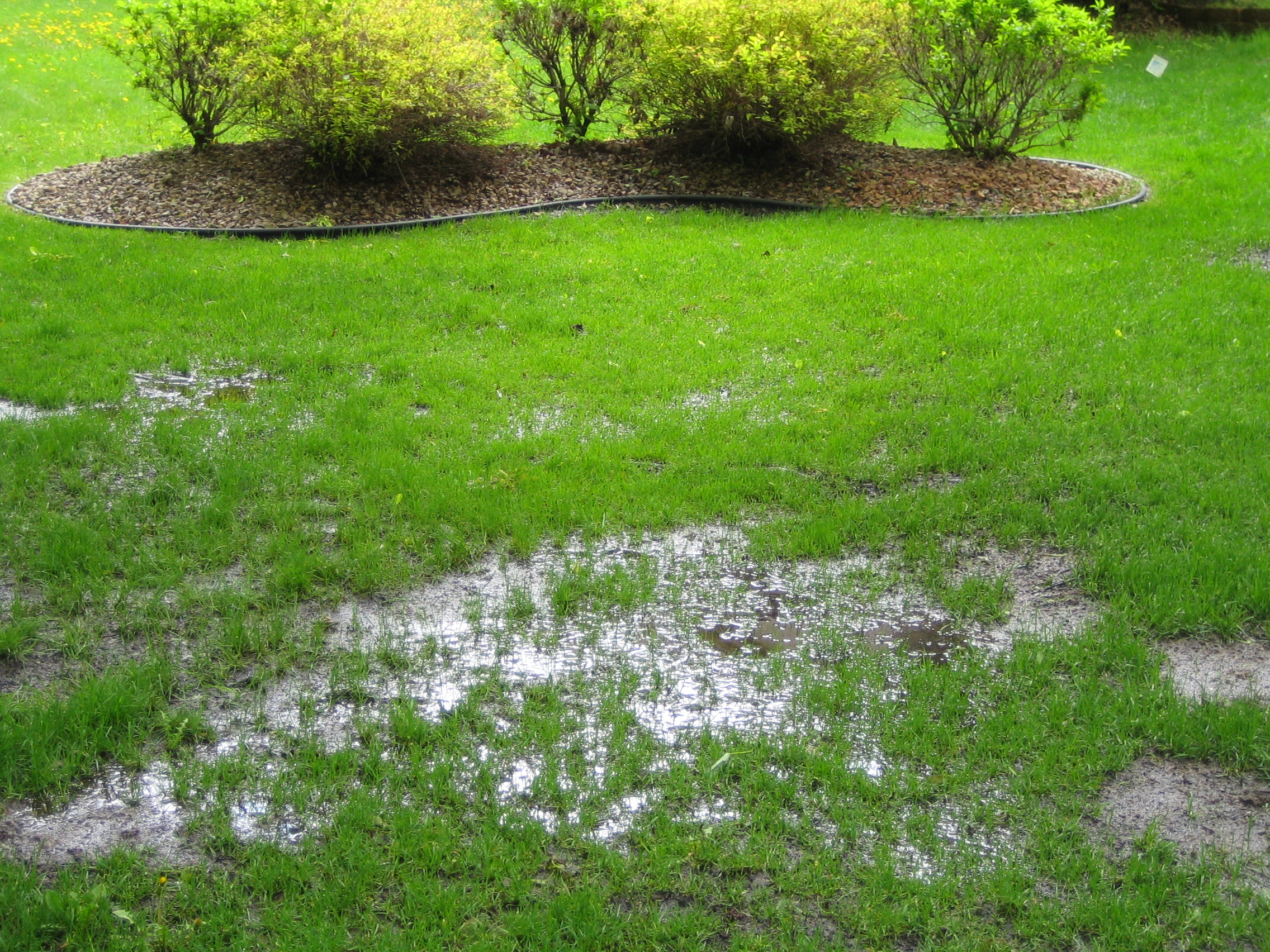
This is especially common with water-related issues, structural repairs, and underground systems.
Repairs Trigger Other Repairs
One repair often forces another.
Fixing a leak may require removing finished surfaces. Once those surfaces are removed, code requirements may apply. Bringing one system up to standard exposes deficiencies in adjacent systems. What started as a single fix becomes a chain reaction.
Home repair estimates typically price the initial problem, not the domino effect that follows once work begins.
Code and Permit Requirements Shift the Scope
Another reason estimates change is regulation.
Many repairs require permits, inspections, or compliance with updated codes. A system that was acceptable when installed may no longer meet current standards once it is touched.
Contractors often cannot guarantee upfront whether upgrades will be required until inspectors are involved. When requirements change mid-project, costs follow.
This is not about overcharging. It is about rules that only activate once work begins.
Material and Labor Variables Are Hard to Lock In
Even well-scoped repairs are subject to external variables.
Material availability, labor conditions, and scheduling constraints affect cost. Prices can shift between estimate and execution, especially on projects that take time to start or involve specialized trades.
Estimates are snapshots in time. Repairs unfold over weeks or months.
Homeowners Expect Precision Where It Rarely Exists
Many homeowners interpret estimates as commitments rather than projections. That expectation mismatch fuels frustration.
An estimate feels precise because it is written down. In reality, it represents a range narrowed by experience, not certainty. The more unknowns involved, the wider that range truly is – even if the number looks exact.
Contractors often struggle to communicate uncertainty clearly without scaring clients. The result is optimism baked into early numbers.
Why the Lowest Estimate Is Often the Riskiest
Low estimates are appealing, but they often rely on best-case assumptions. When reality deviates, those estimates expand quickly.
More conservative estimates may appear higher upfront, but they tend to include contingencies for known unknowns. Homeowners often learn this distinction only after a “cheap” estimate grows beyond the others.
Price alone does not indicate accuracy. Assumptions do.
Repairs vs Projects: A Subtle Difference
Homeowners often think in terms of repairs. Contractors often think in terms of projects.
A repair suggests a contained action. A project acknowledges uncertainty, sequencing, and dependency. Estimates that treat complex repairs as simple fixes are more likely to change.
Understanding which category your situation falls into helps set expectations early.
The Emotional Cost of Uncertainty
What makes wrong estimates especially stressful is timing. Repairs often happen under pressure – during sales, emergencies, or failures. Homeowners feel trapped between urgency and cost escalation.
When numbers change under stress, trust erodes, even if the reasons are valid.
This emotional dimension is why estimates feel personal, even when the cause is structural uncertainty.
Closing Perspective
Instead of asking, “Is this number accurate?” a better question is:
“What assumptions does this estimate depend on?”
The more assumptions it makes about unseen conditions, the more likely it is to change. Asking what would cause the price to go up often reveals more than the number itself.
Home repair estimates are rarely wrong because someone did the math poorly. They are wrong because homes hide complexity, and complexity resists precision.
The most expensive surprises come from believing an estimate is a promise rather than a forecast. Homeowners who understand the limits of estimates are better equipped to plan, ask better questions, and absorb change when reality inevitably reveals more than anyone could see at the start.