Environmental liability is one of those phrases homeowners often hear but rarely think applies to them. It sounds like something meant for factories, gas stations, or large corporations, not private residences. In reality, homeowners can and do face environmental liability, sometimes with serious financial consequences.
Understanding what environmental liability means, when it applies, and why homeowners are exposed is important, especially for properties with systems like septic systems, oil tanks, or older infrastructure.
This article explains environmental liability in plain terms, how it can arise for homeowners, and why it is often misunderstood.
What Environmental Liability Means in Simple Terms
Environmental liability refers to a homeowner’s legal responsibility for environmental damage that originates from their property.
This can include:
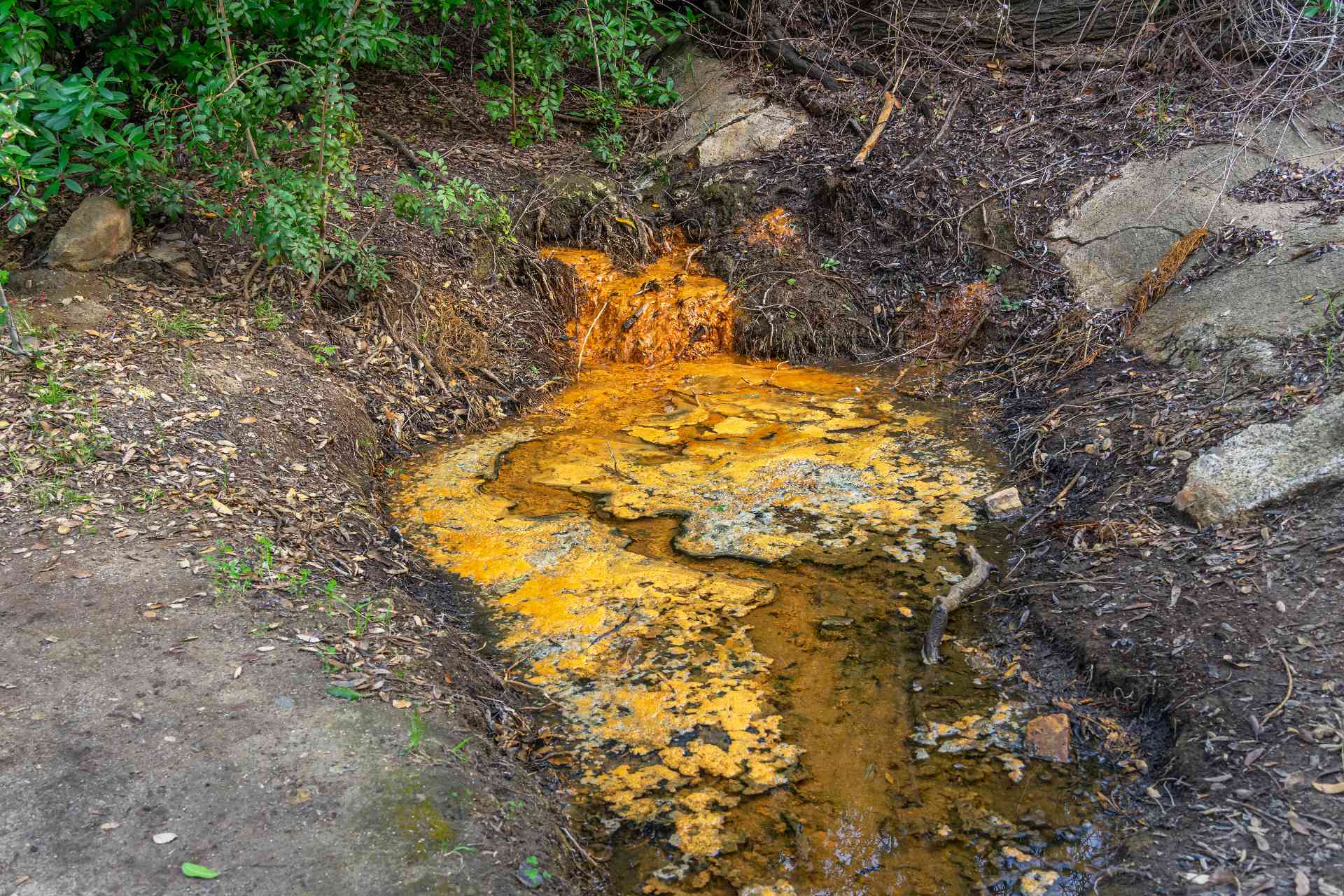
- Soil contamination
- Groundwater contamination
- Pollution that spreads beyond the property line into neighboring properties
- Environmental damage that affects neighbors, waterways, or public land
The key point is responsibility. Environmental liability is about who is responsible for cleaning up damage, not necessarily who caused it intentionally or even knowingly.
In many cases, homeowners can be held responsible even if:
- The issue developed before they bought the home
- The damage was underground and invisible
- The homeowner did nothing wrong
How Environmental Liability Can Arise at a Home
Environmental liability usually comes into play when a substance escapes into the environment and causes contamination. Common residential sources include:
Septic System Failures
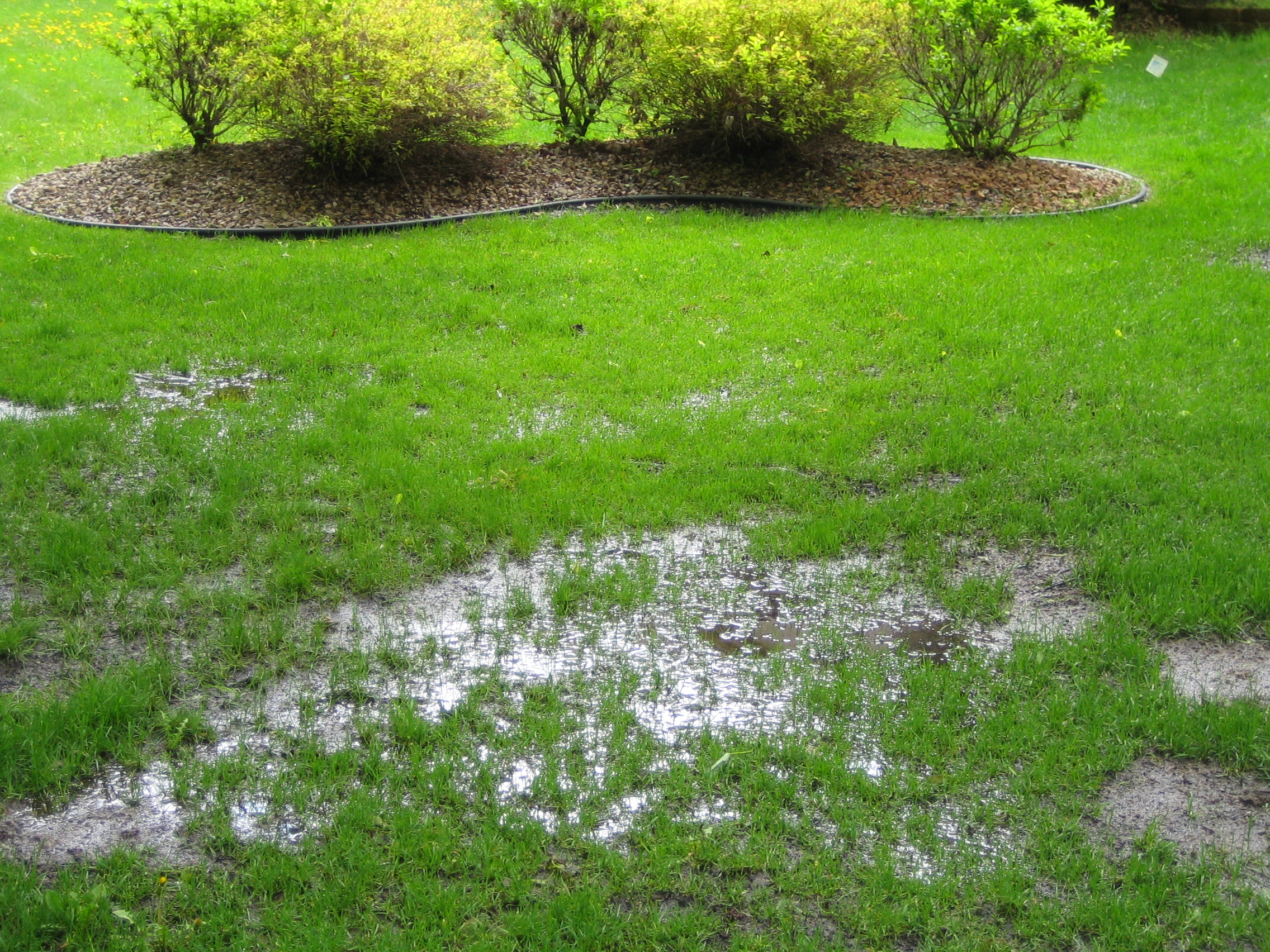
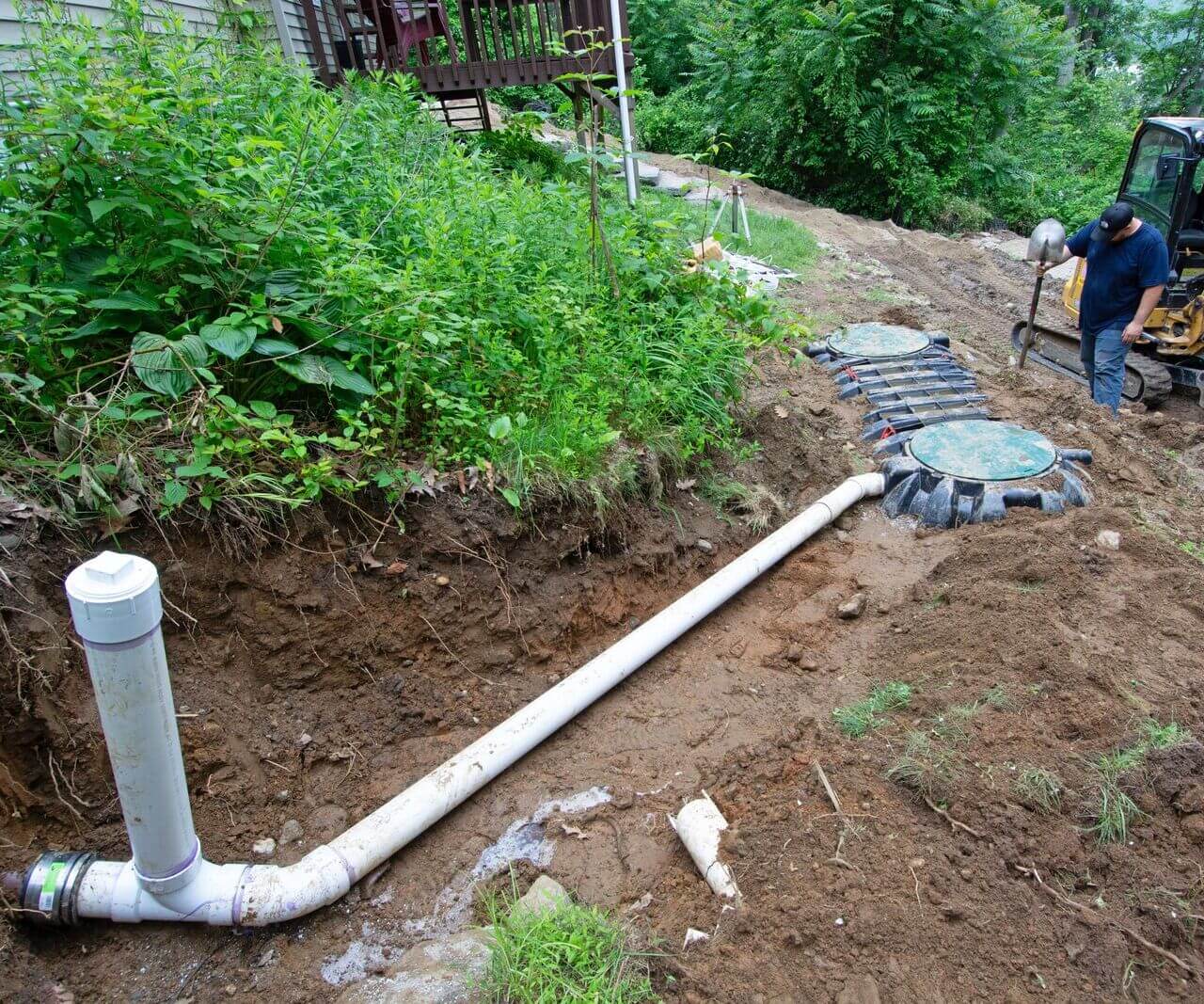
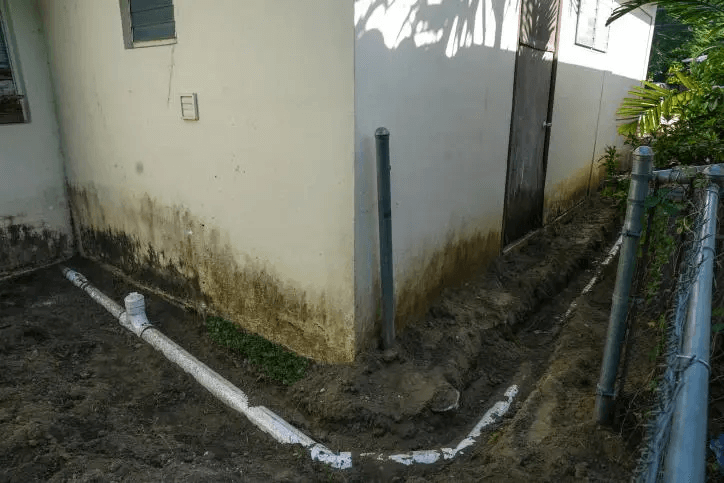
When a septic system fails, untreated or partially treated wastewater can enter surrounding soil, groundwater or nearby waterbodies (rivers, lakes, oceans or reservoirs). If contamination spreads beyond the property, the homeowner may be responsible for remediation.
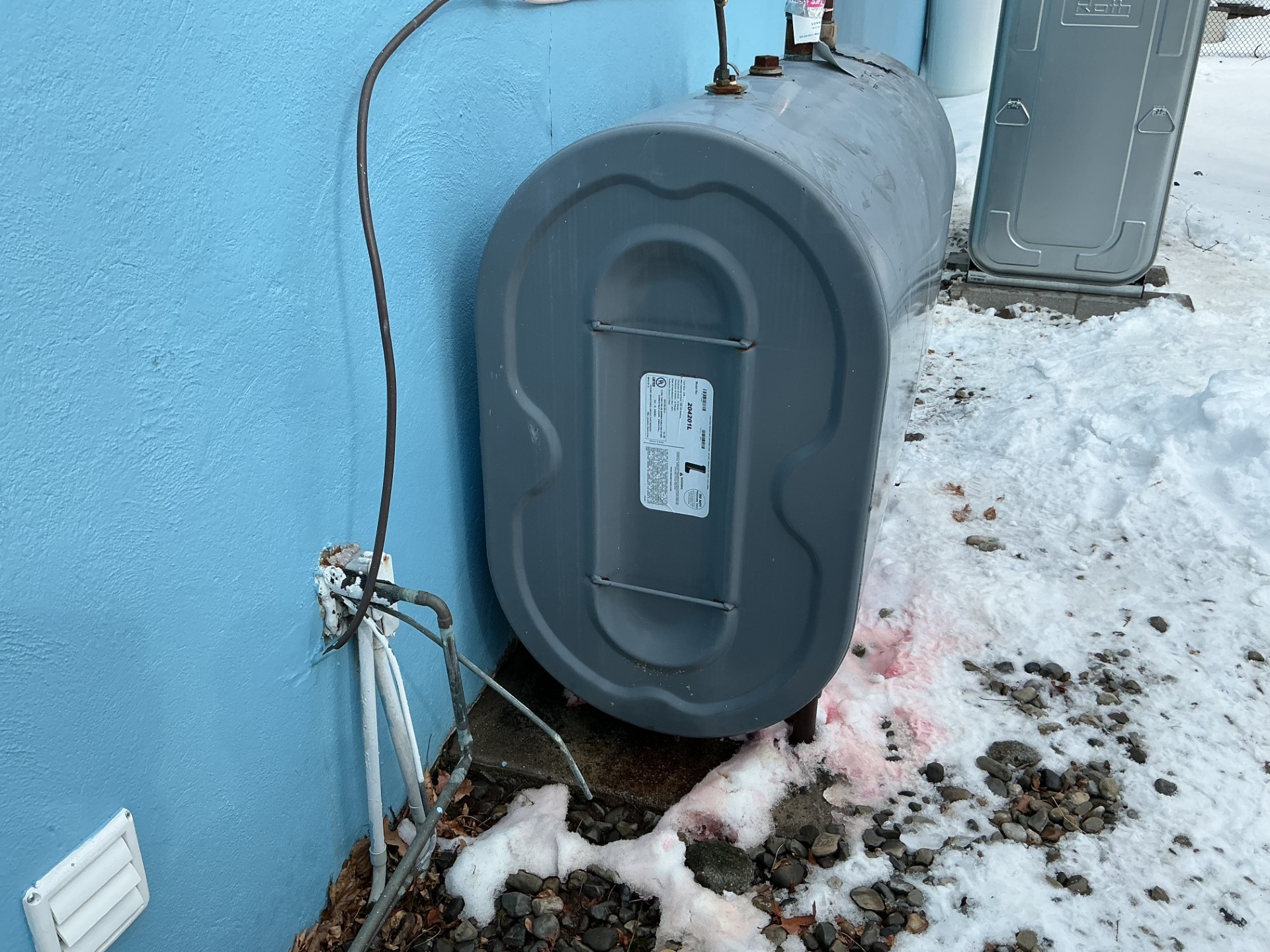
Oil Tank Leaks
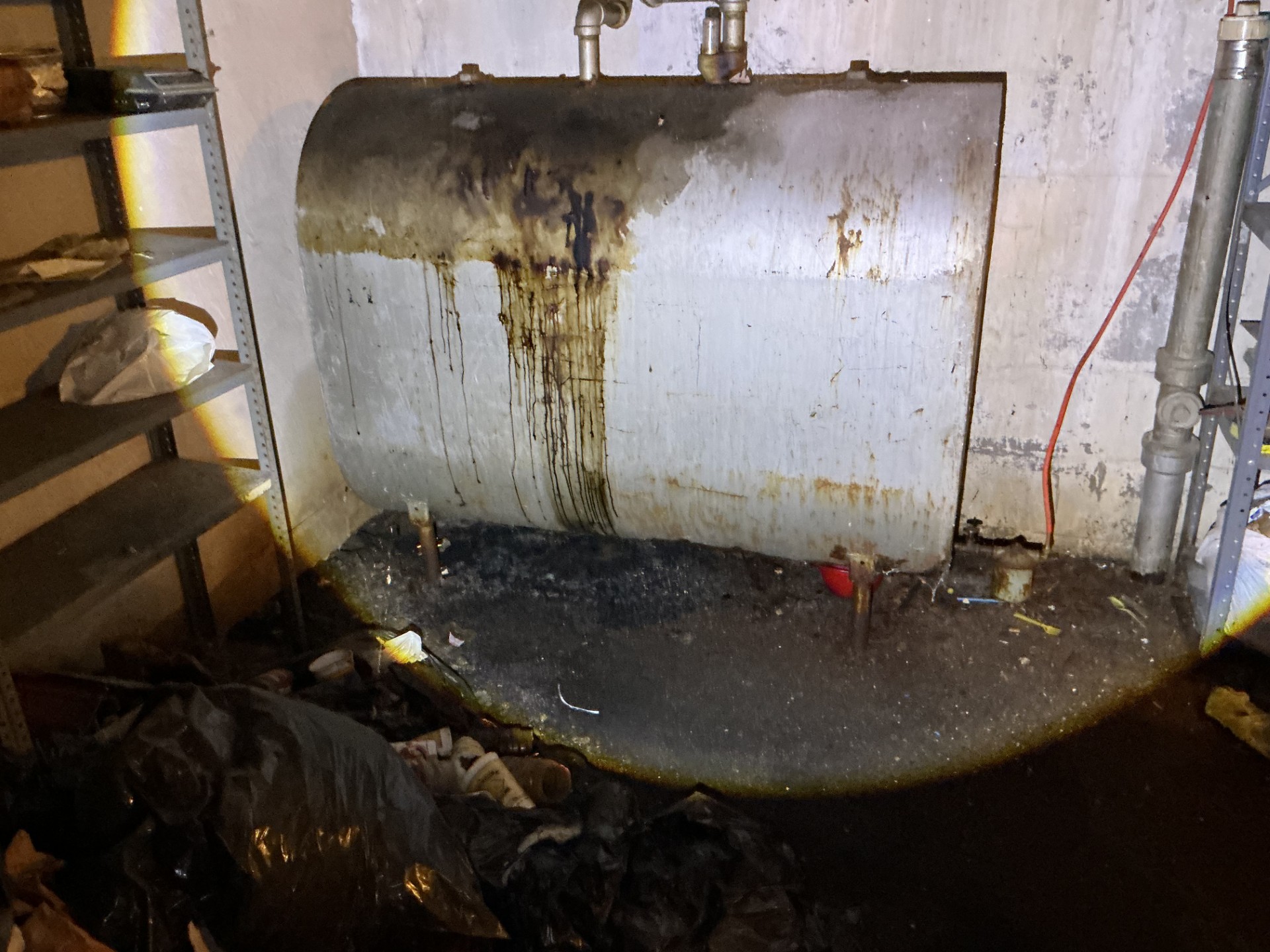
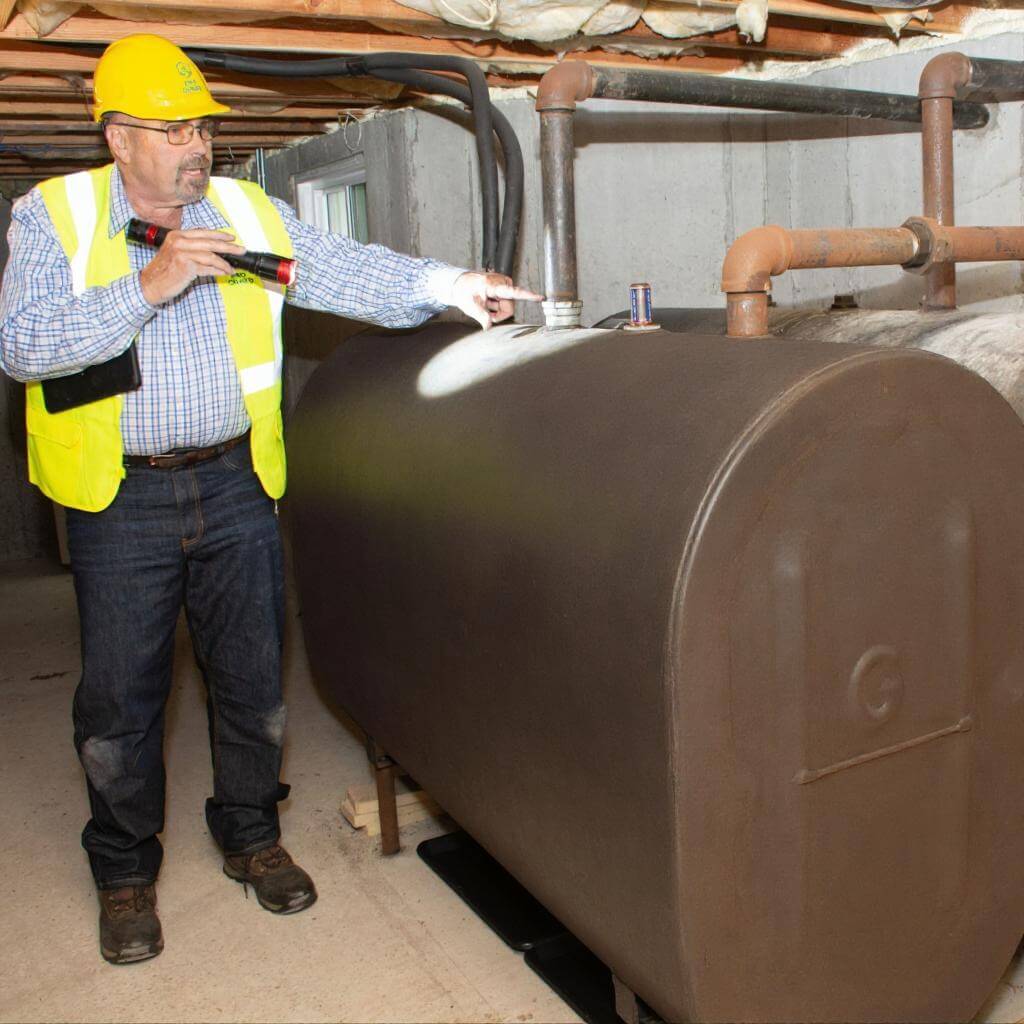
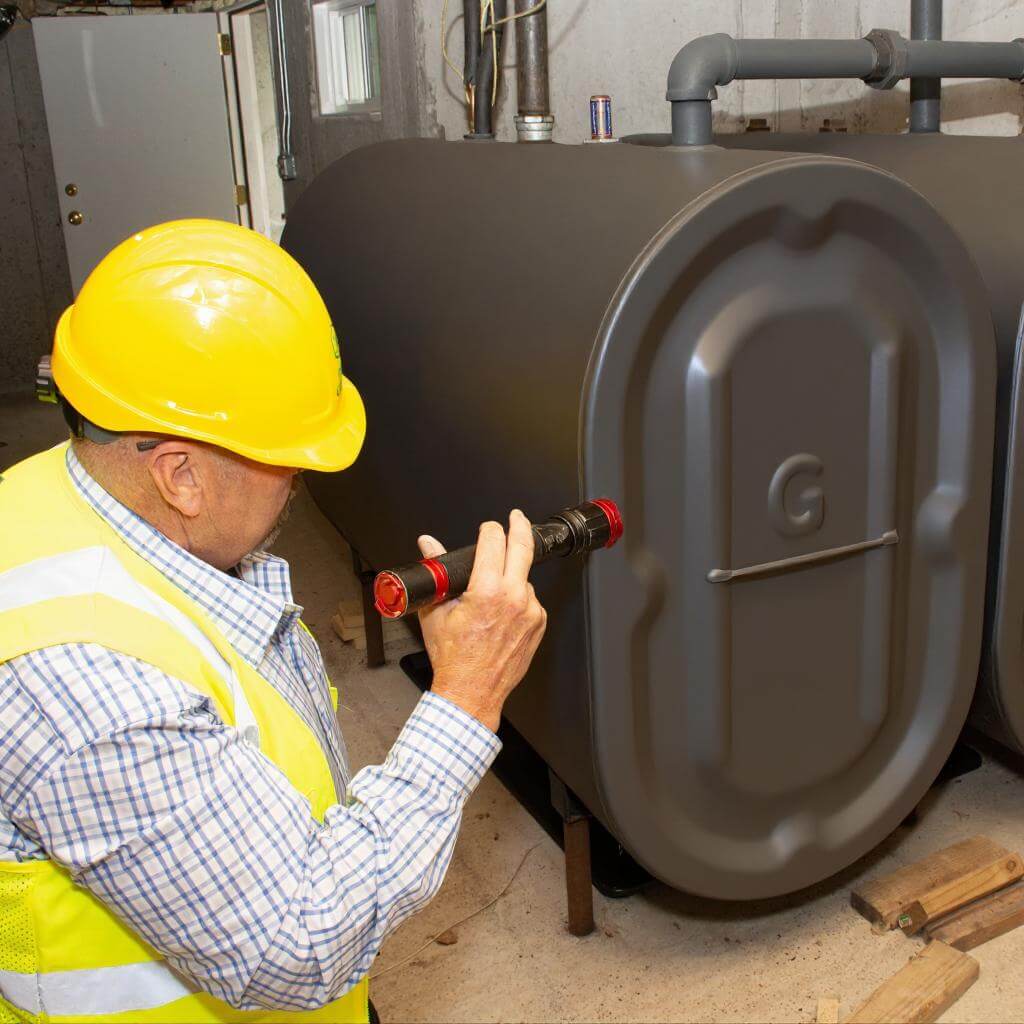
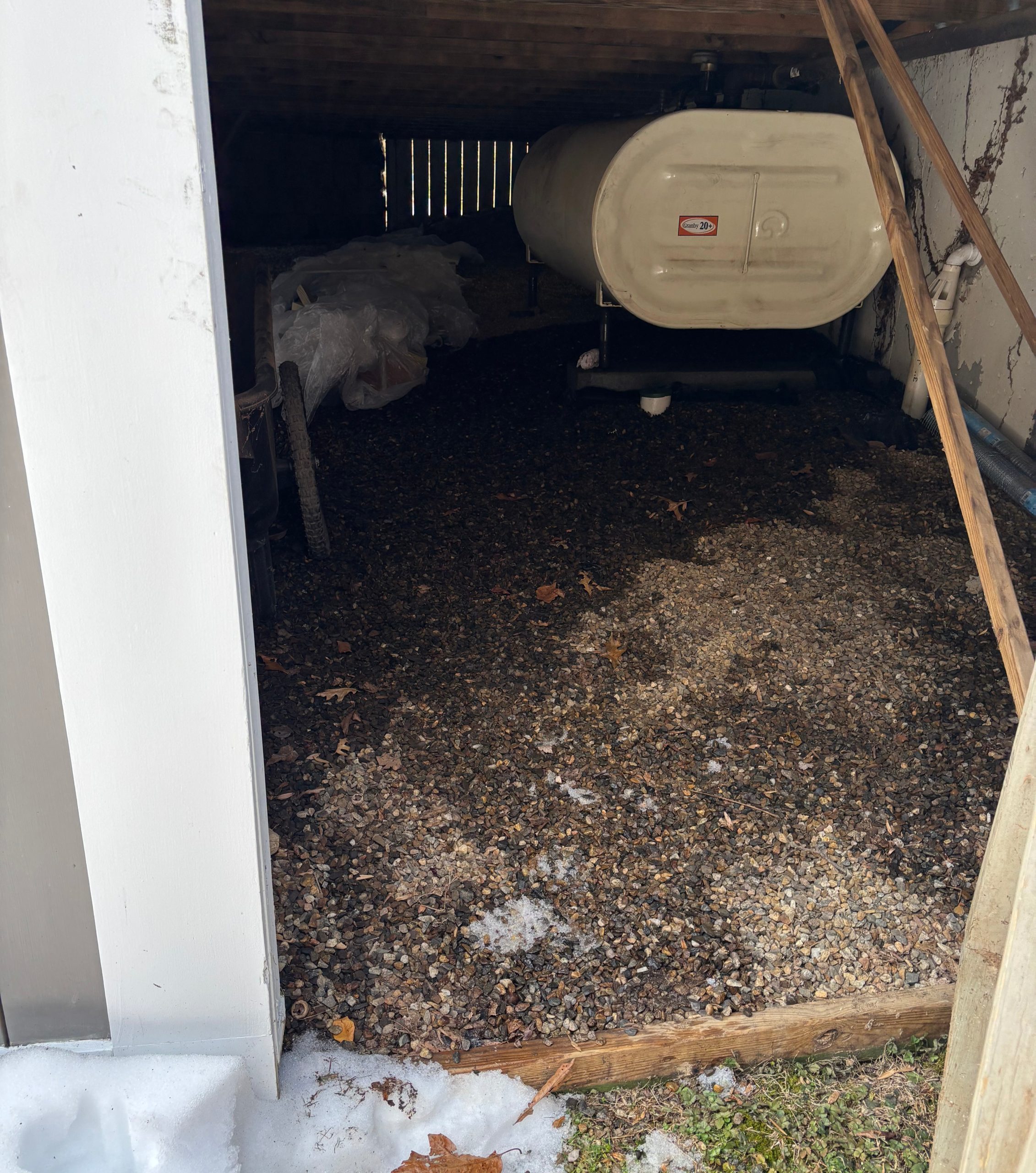
Heating oil leaks from aboveground or underground tanks can contaminate soil and groundwater. Even small leaks can spread over time and migrate off-site.
Fuel, Chemical, or Waste Storage
Improper storage of fuels, solvents, or hazardous household chemicals can also trigger liability if contamination occurs.
Environmental liability is not limited to dramatic spills. Slow leaks and long-term seepage are often the most serious and expensive problems.
Why Homeowners Can Be Held Responsible
Many homeowners assume they are only liable if they acted negligently. Environmental law often works differently.
In many jurisdictions, environmental liability is based on strict liability, meaning responsibility does not depend on intent or fault. If contamination originates from your property, you may be responsible for cleanup regardless of how or when it started.
This can apply even if:
- A prior owner installed the system
- The system met code at the time it was installed
- The homeowner was unaware of the issue (i.e. it is located underground)
The focus is on protecting public health and the environment, not assigning moral blame.
Groundwater and Off-Site Contamination
One of the most serious aspects of environmental liability is contamination that spreads beyond the homeowner’s property.
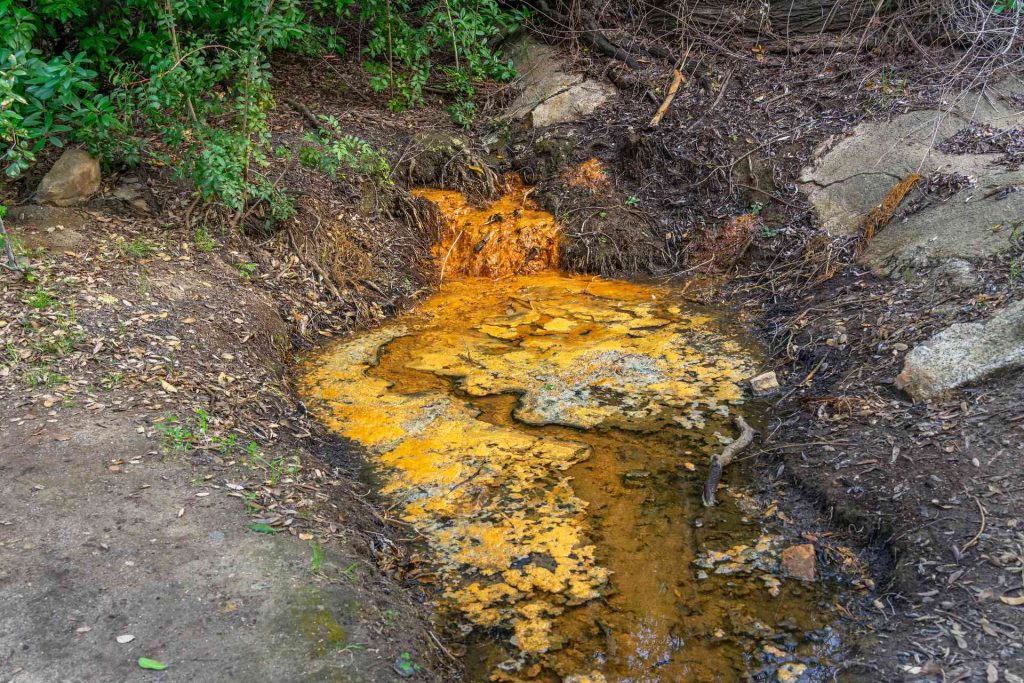
Groundwater does not respect property boundaries. Once contamination enters soil or groundwater, it can migrate to:
- Neighboring properties
- Private wells
- Streams, wetlands, or public water supplies
If contamination spreads, homeowners may face:
- Cleanup obligations
- Regulatory enforcement
- Claims from neighbors
- Legal disputes over responsibility
At this point, environmental liability becomes far more complex and expensive.
Environmental Liability vs Property Damage
Environmental liability is different from property damage.
Property damage focuses on repairing or replacing physical structures on the homeowner’s property. Environmental liability focuses on restoring the environment to meet safety and regulatory standards.
Cleanup may involve:
- Soil removal and replacement
- Groundwater testing and treatment
- Long-term monitoring
- Regulatory oversight
These costs can quickly exceed the cost of repairing the original system that failed.
How Insurance Typically Treats Environmental Liability
Many homeowners are surprised to learn that environmental liability is often excluded or limited under standard homeowners insurance policies.
Common policy features include:
- Pollution exclusions
- Low sublimits for environmental cleanup
- Narrow definitions of covered contamination
Even when some coverage exists, it may not apply to:
- Gradual contamination
- Long-term leaks
- Off-site damage
- Regulatory cleanup requirements
- Oil tanks
As a result, homeowners may find that insurance covers little or none of the cleanup cost.
How Environmental Liability Is Discovered
Environmental liability issues are often uncovered during stressful or time-sensitive moments, such as:
- Home inspections during a sale
- Renovation or excavation work
- Septic system inspection
- Oil tank testing or removal
- Complaints from neighbors
- Regulatory investigations
In many cases, the homeowner had no reason to suspect a problem until testing revealed contamination.
Impact on Property Value and Transactions
Environmental liability can affect more than cleanup costs. It can also impact:
- The ability to sell the home
- Financing and mortgage approval
- Property value
- Disclosure obligations
Buyers and lenders are often cautious around properties with known or suspected contamination. Even after cleanup, documentation and monitoring requirements can remain.
Why Environmental Liability Is Often Overlooked
Environmental liability is frequently overlooked because:
- Problems are underground and invisible
- Issues develop slowly
- Homeowners assume insurance will respond
- Responsibility is not widely discussed in residential settings
By the time liability becomes clear, homeowners are often already dealing with a failure, inspection, or transaction deadline.
Final Takeaway
Environmental liability for homeowners is real, even though it is rarely talked about. If contamination originates from a property, the homeowner may be responsible for cleanup and related costs, regardless of intent or awareness.
This liability most commonly arises from septic systems, oil tanks, and other buried infrastructure. Because environmental cleanup is expensive and insurance coverage is often limited, understanding this risk ahead of time is an important part of responsible homeownership.
Environmental liability is not about blame. It is about responsibility, and for homeowners, that responsibility can extend further than many people expect.
Important Disclaimer: Your specific situation could be different. This is not a statement of law or legal advice.