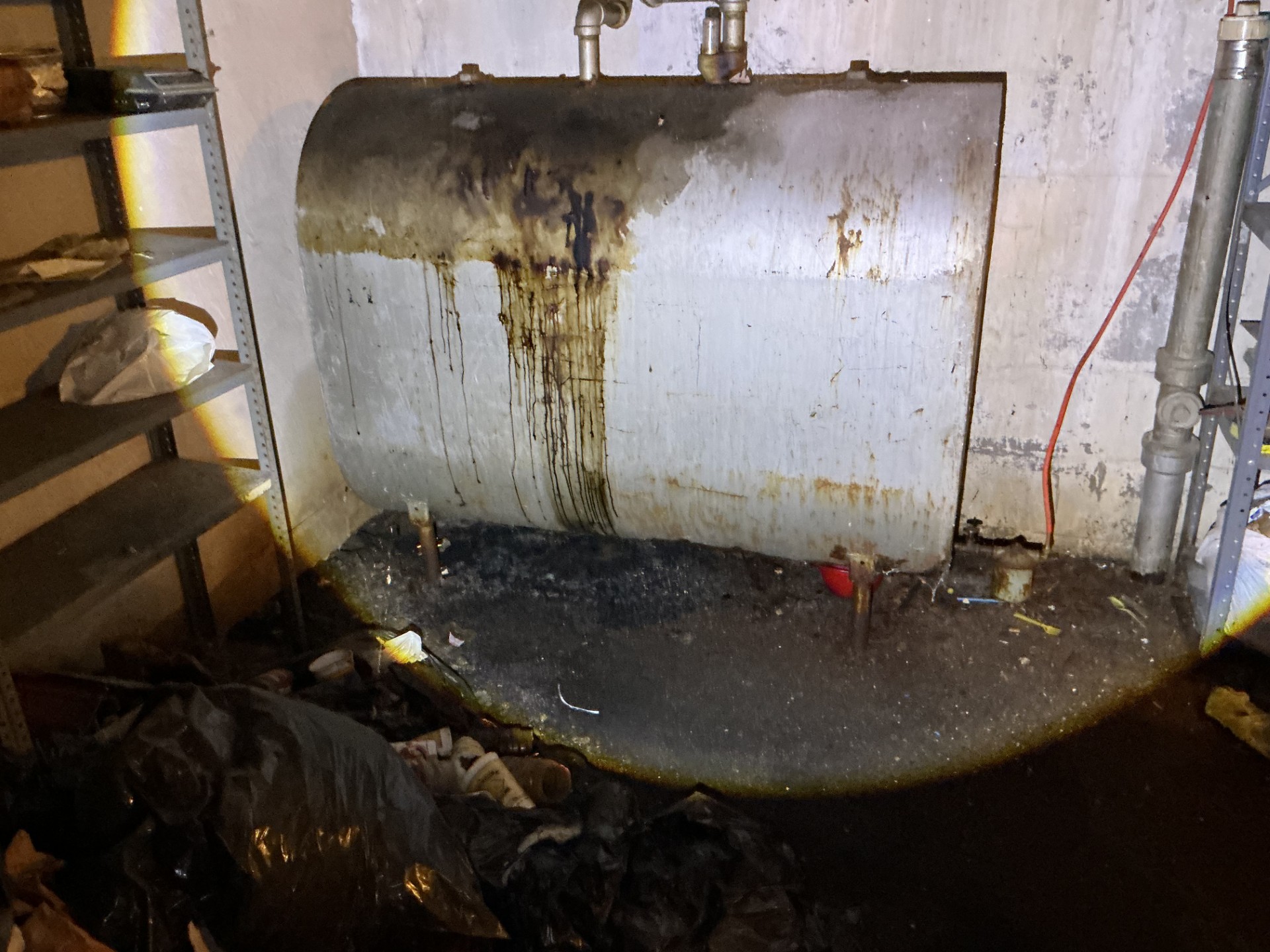
While oil is a fantastic fuel for homeowners to use to heat their homes, Aan oil tank leak is one of those problems homeowners hope never happens, partly because it is easy to miss and partly because the consequences can escalate quickly. Unlike a burst pipe or a broken appliance, an oil tank leak often does not announce itself right away. By the time it is discovered, oil may have already moved beyond the tank itself.
When an oil tank leaks, what happens next depends on where the tank is, how long the leak has been occurring, and how far the oil has spread. What almost always follows, however, is a chain reaction of testing, decisions, and costs that homeowners are rarely prepared for.
How Oil Tank Leaks Are Usually Discovered
Most oil tank leaks are not discovered because someone sees oil pouring out of a tank. They are uncovered indirectly.
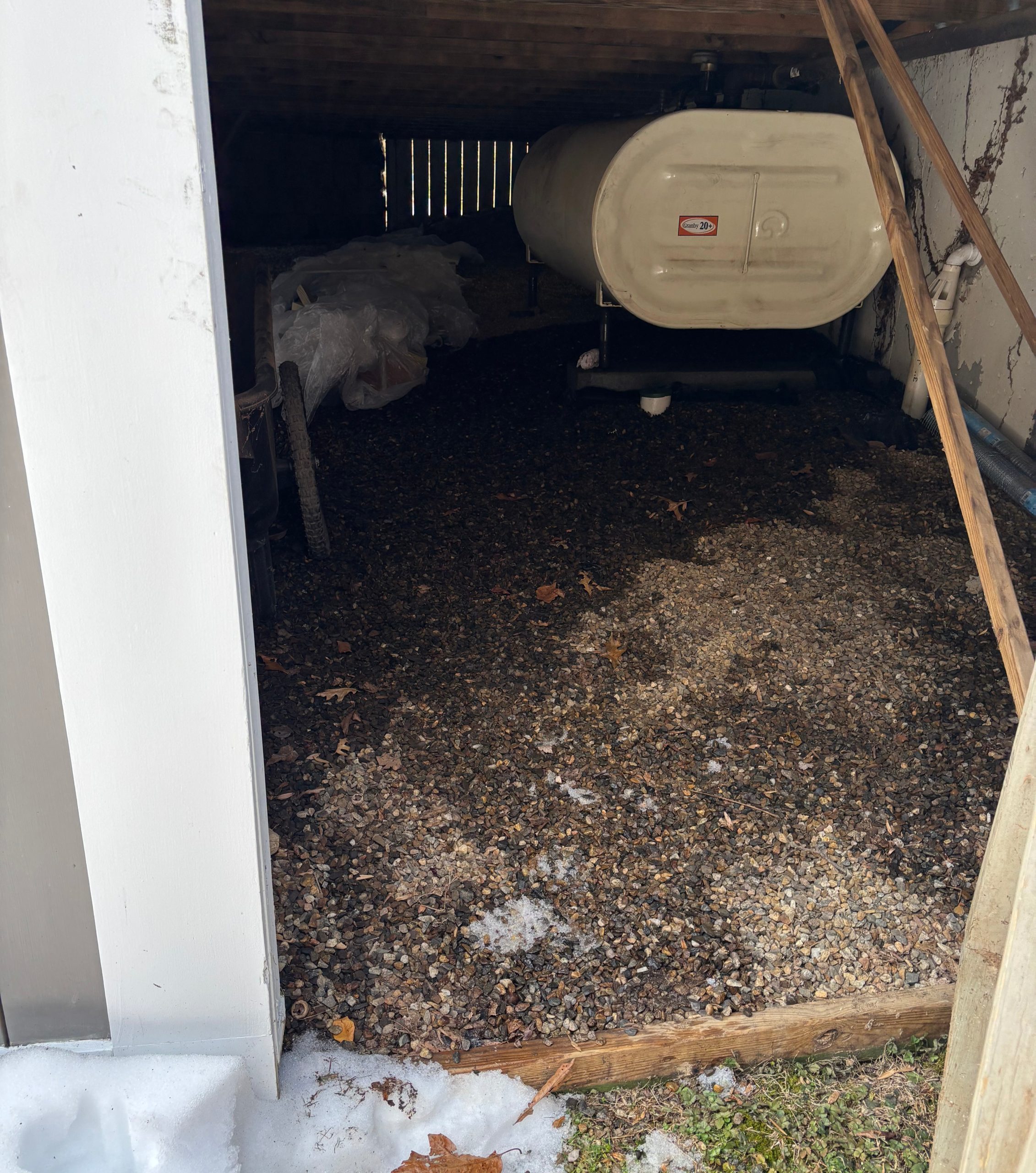
A faint fuel smell in the basement, unexplained staining on a floor, a failed home inspection, or a routine tank test often brings the issue to light. In the case of underground tanks, leaks are frequently discovered during property sales or when a homeowner decides to remove an old tank as a precaution. By the time a leak is identified, it may have been happening slowly for months or even years.
What Happens First After a Leak Is Suspected
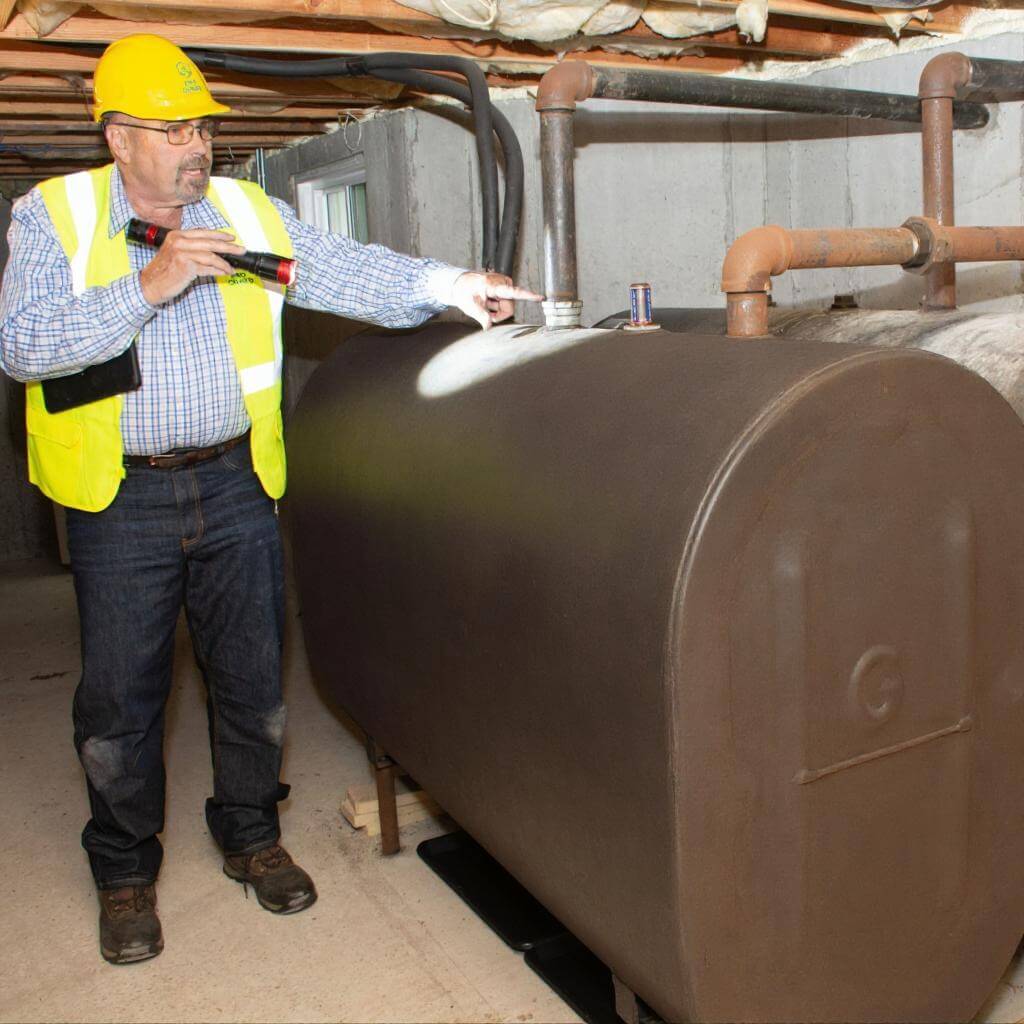
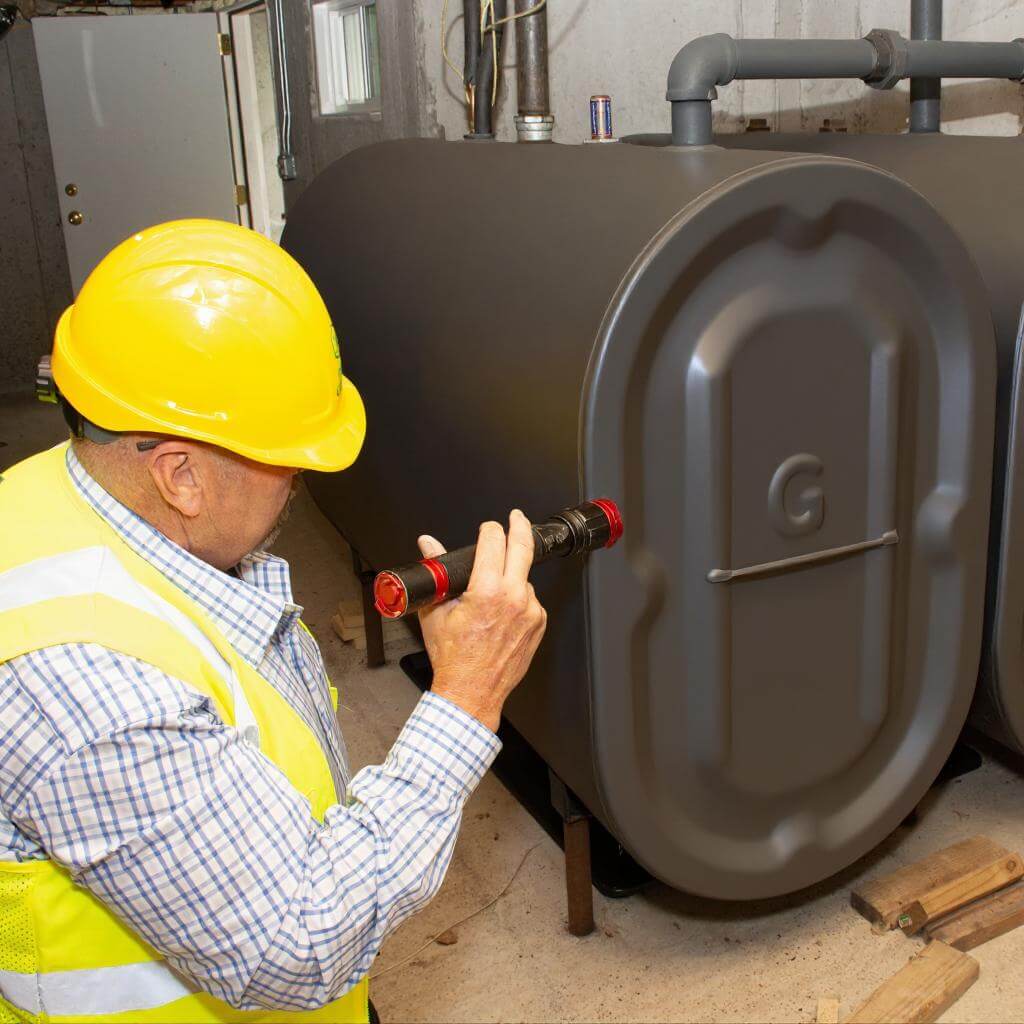
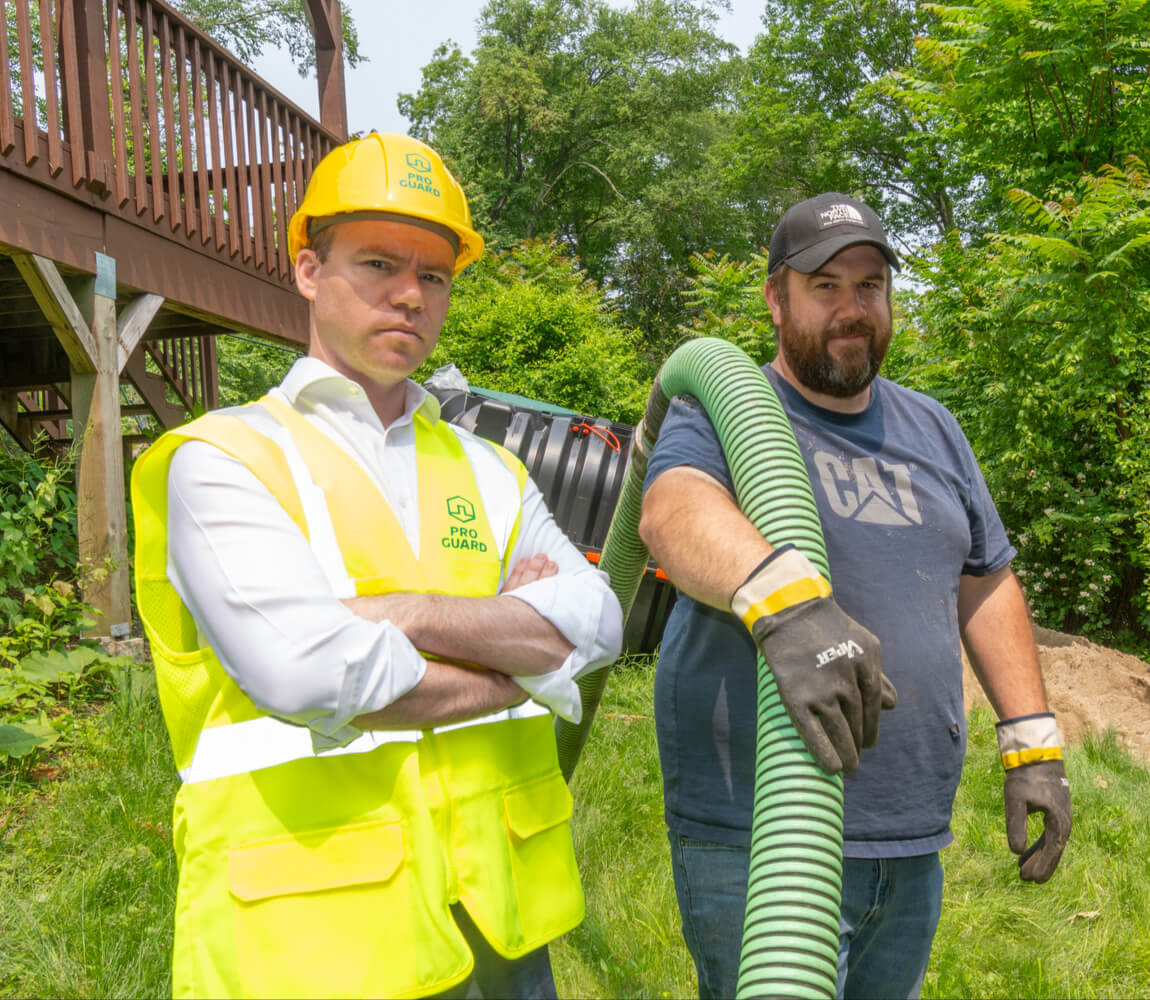
Once a leak is suspected, inspection by oil tank and environmental specialists usually follows. This may involve soil sampling, tank testing, or both. The goal is to confirm whether oil has escaped the tank and, if so, how far it has spread.
This is often the moment homeowners realize the issue is no longer just about replacing a tank. If oil has entered surrounding soil, the problem becomes environmental, not mechanical.
At this stage, the situation starts to move out of the homeowner’s direct control and into a more regulated process.
When Oil Is Confined to the Immediate Area
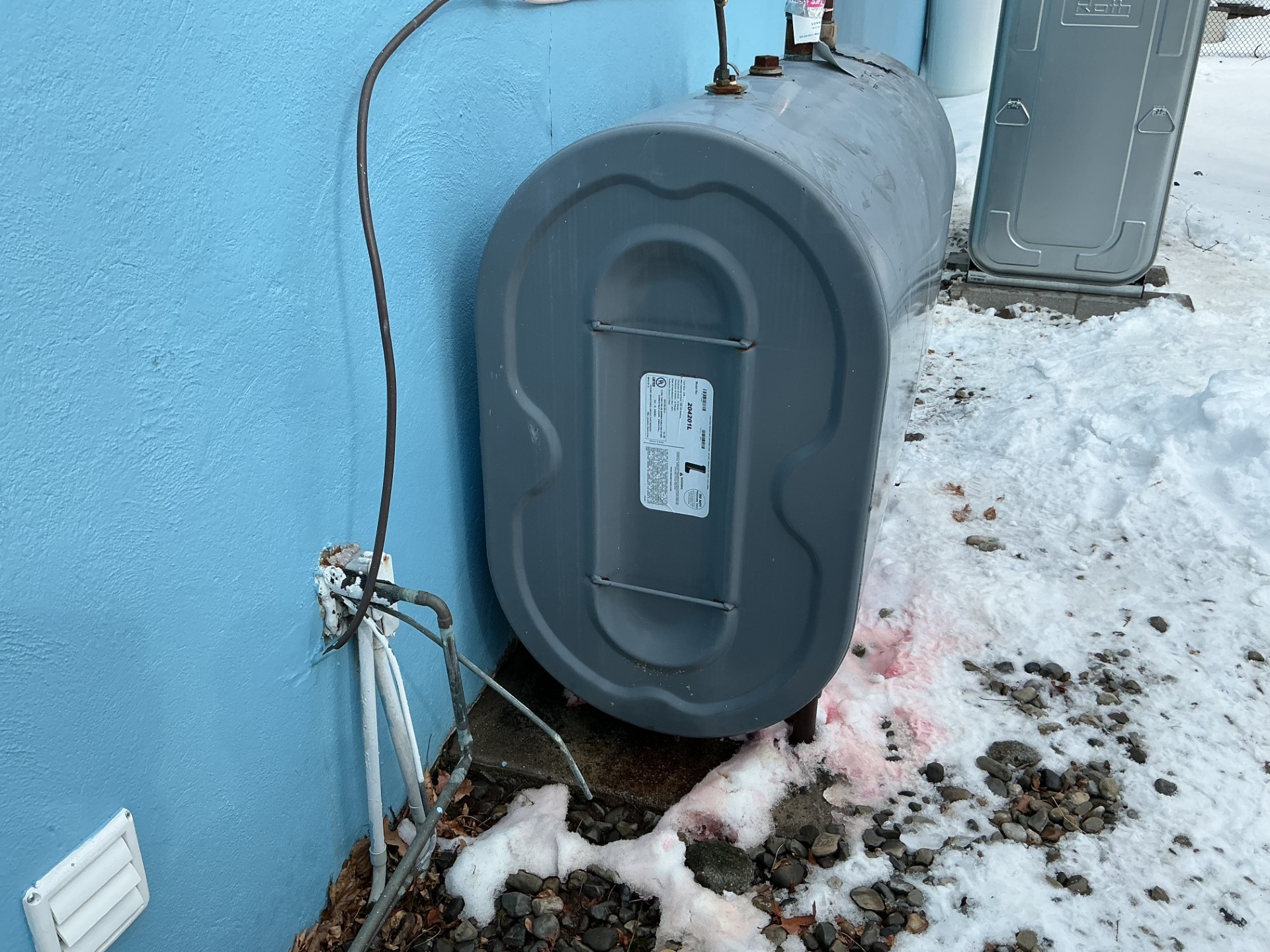
In the best-case scenario, the leak is small and contained. This is more common with aboveground tanks that are inspected regularly.
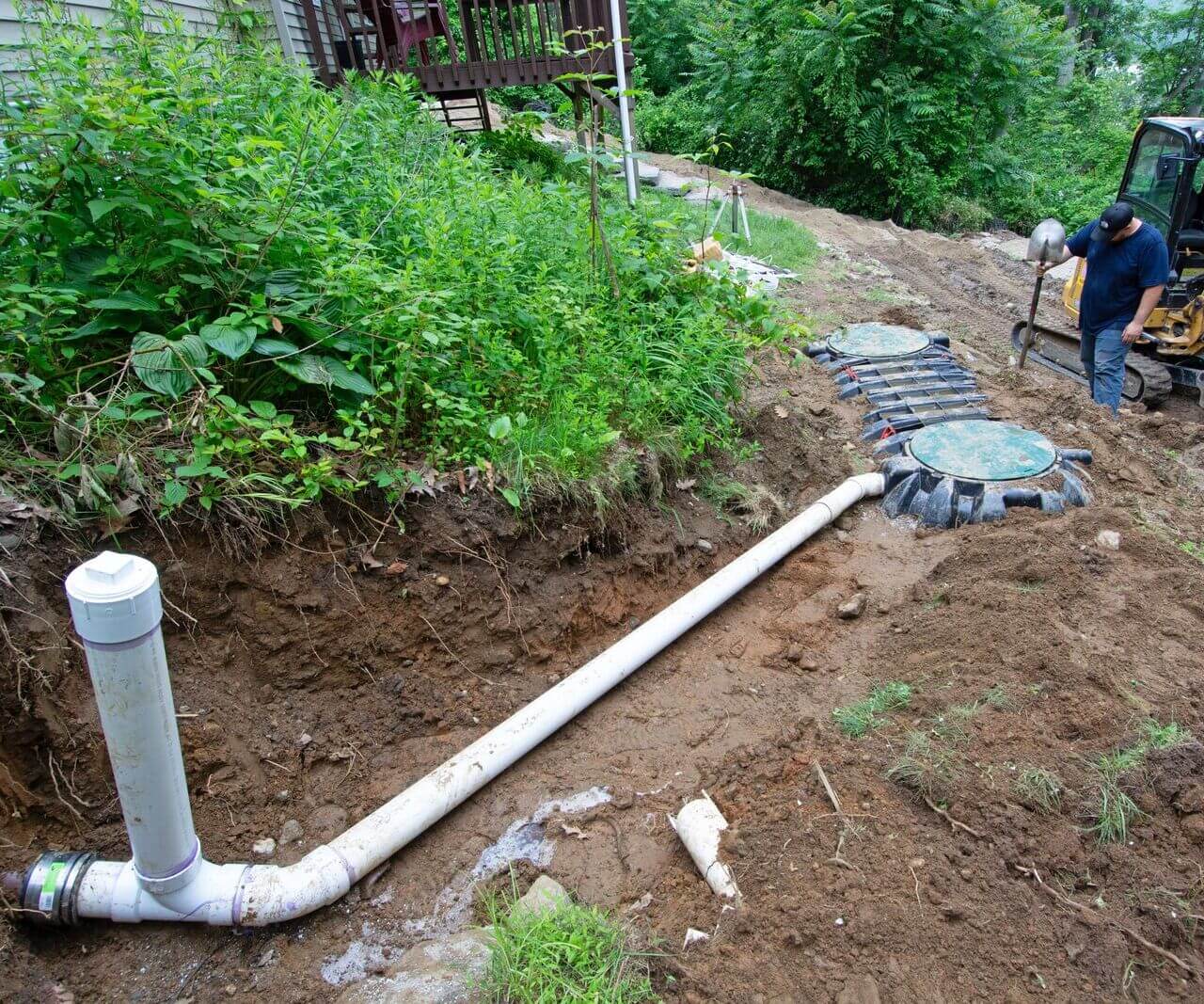
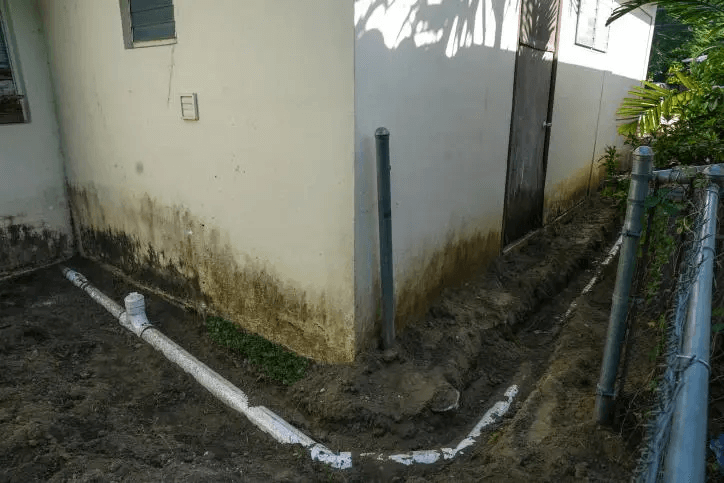
If oil is limited to a small area, cleanup may involve removing the tank, disposing is safely, excavating a limited amount of soil, and confirming through testing that contamination has been addressed. While still expensive and disruptive, these cases are generally more manageable.
Even then, homeowners are often surprised by how much work is required to confirm that the problem is fully resolved.
When Oil Spreads Into Soil or Groundwater
When oil moves beyond the immediate area of the tank, the situation becomes much more serious.
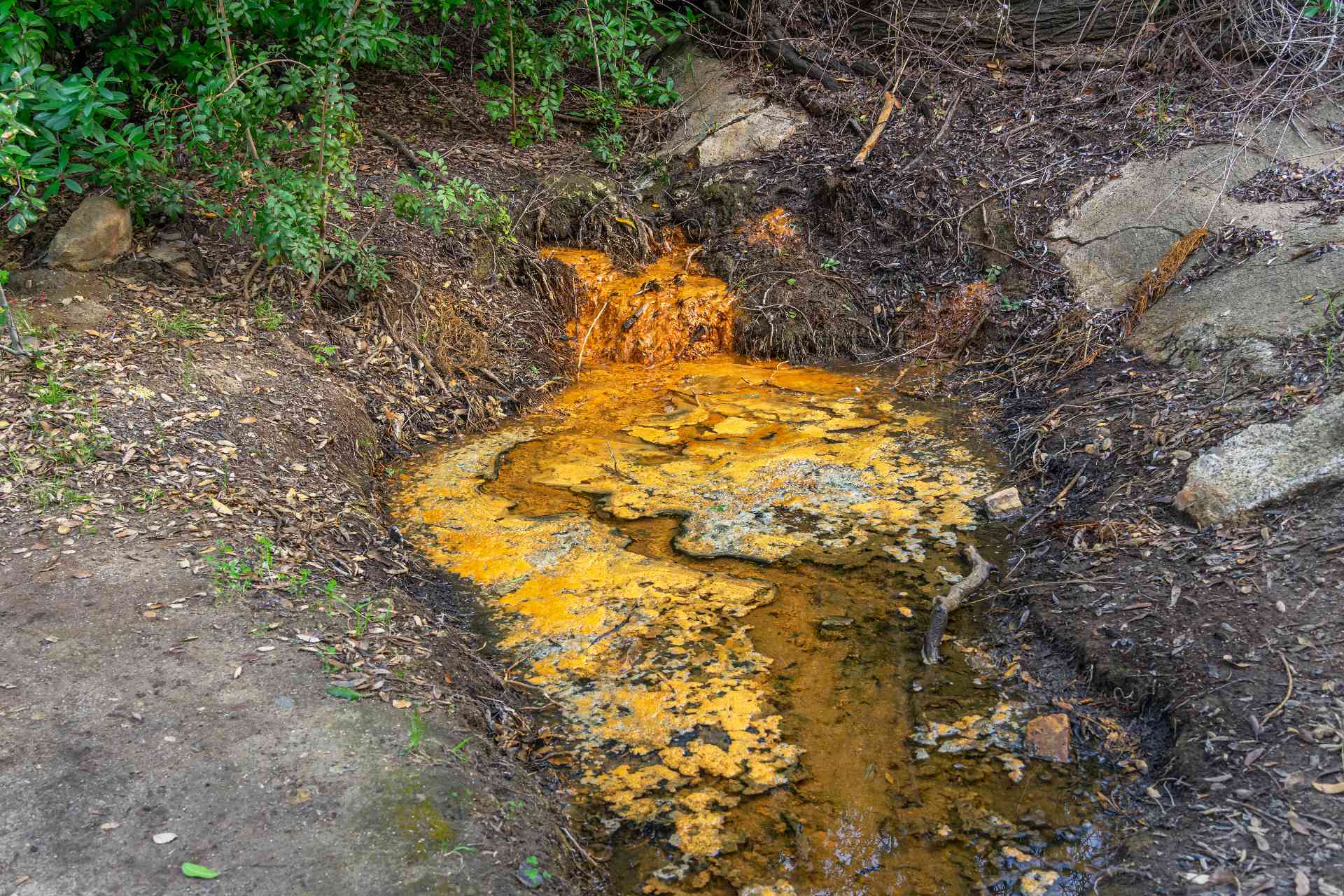
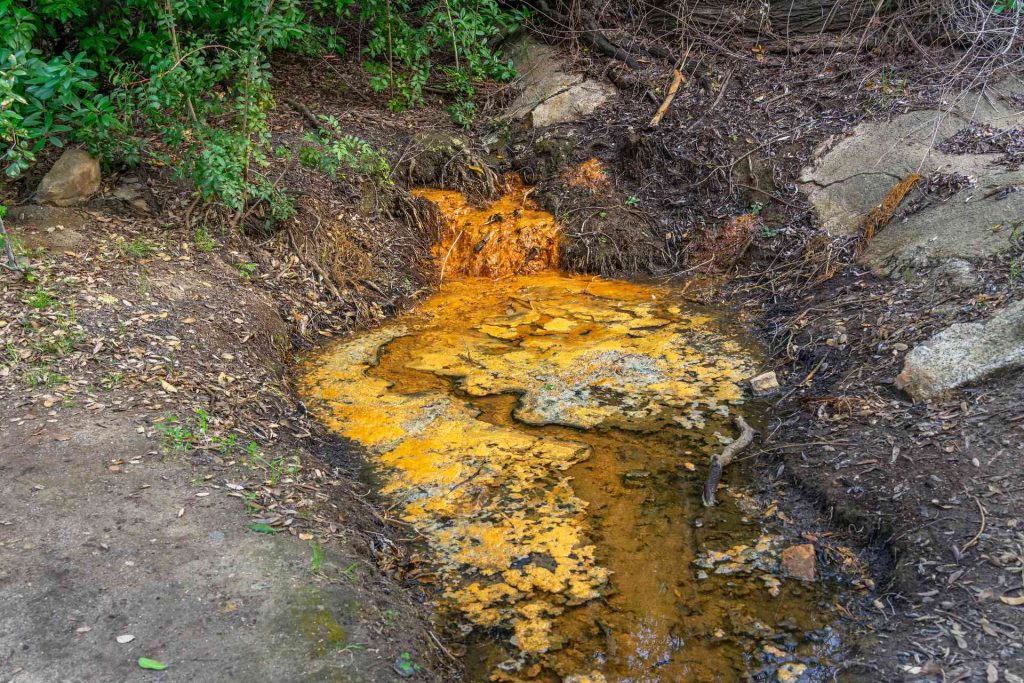
Oil does not stay in one place. It can travel through soil and migrate with groundwater, sometimes moving well beyond the original leak site. This is when cleanup becomes complex, prolonged, and significantly more expensive.
At this point, homeowners may be required to involve environmental professionals and comply with specific cleanup standards. Testing and monitoring may continue long after the excavation is complete.
Environmental and Legal Implications
Once contamination is confirmed, homeowners may be required to report the release to environmental authorities, depending on local regulations. This can trigger oversight, documentation requirements, and formal cleanup plans.
If oil spreads beyond the property line, the homeowner may face additional responsibility. Contamination that affects neighboring properties, wells, or public resources can lead to disputes or legal claims.
Importantly, liability does not usually depend on whether the homeowner caused the leak intentionally or even knew about it. Responsibility is often tied to where the contamination originated.
How a Leak Affects the Home Itself
Beyond environmental concerns, oil leaks can affect the home in practical ways.
Fuel odors can linger in basements and crawl spaces. Oil can get into sump pumps causing further damage. Vapors may enter living areas. Excavation may be required near foundations or under structures, disrupting landscaping, driveways, or patios.
If a home is being sold, an oil tank leak can delay or derail the transaction entirely. Buyers and lenders are often unwilling to proceed until cleanup is completed and documented.
The Role of Insurance
Many homeowners assume their insurance will step in when an oil tank leaks. In reality, coverage is not available.
Standard homeowners insurance policies frequently exclude or severely limit coverage for pollution or gradual leaks from oil tanks. Even when some coverage exists, it may apply only to sudden damage or a small portion of cleanup costs.
As a result, homeowners are often responsible for most, if not all, of the financial burden associated with a leak. You would almost always need an aboveground or underground oil tank insurance to take care of oil leaks.
Why Oil Tank Leaks Are So Stressful
Oil tank leaks are stressful because they combine uncertainty, urgency, and high stakes. Homeowners are forced to make decisions quickly without knowing the full extent of the problem upfront.
Costs are difficult to predict until testing and excavation are complete. Timelines are often driven by regulators, inspectors, or real estate deadlines rather than homeowner convenience.
This uncertainty is what makes oil tank leaks feel overwhelming, even when the initial leak appears small.
The Bigger Picture
An oil tank leak is rarely just a repair issue. It is an environmental event that triggers a series of obligations and consequences.
What starts as a small leak can quickly involve testing, cleanup, regulatory oversight, and significant expense. For homeowners, the hardest part is often realizing how quickly the situation shifts from routine maintenance to environmental responsibility.
Concluding Thoughts
When an oil tank leaks, the issue extends far beyond the tank itself. The outcome depends on how much oil has escaped and where it has gone, but the process almost always involves testing, cleanup, and compliance with environmental standards.
Because leaks are often discovered late and insurance coverage is not available, oil tank leaks can become one of the most challenging and costly problems a homeowner faces. Understanding what typically happens helps remove some of the shock when a leak is finally uncovered.