If you have ever looked closely at a homeowners insurance policy, you have probably seen the phrase “sudden and accidental damage.” It shows up everywhere – in coverage descriptions, exclusions, and claim decisions – and yet it is rarely explained in plain language.
Understanding what insurers mean by “sudden and accidental damage” is important because this phrase often determines whether a claim is paid or denied. Many homeowners assume damage is either covered or not. In reality, insurers care deeply about how the damage happened and how long it took to develop.
This guide breaks down what “sudden and accidental” actually means, why insurers use it, and how it affects real-world claims.
Why This Phrase Exists at All
Insurance is designed to protect against events that are unexpected and difficult to predict. If something is guaranteed to happen eventually – like wear, corrosion, or aging – it is not considered an insurable risk. It is considered part of owning a home.
The phrase “sudden and accidental damage” is how insurers draw that line.
It allows coverage for damage that:
- Happens quickly
- Is unintended
- Is not the result of long-term neglect
At the same time, it gives insurers a clear basis for excluding damage that develops slowly or predictably.
What “Sudden” Really Means
In insurance terms, sudden does not necessarily mean “instant,” but it does mean noticeable and abrupt.
Sudden damage occurs over a short period of time and can be tied to a specific event. Think of things like:
- A candle falls and causes a fire
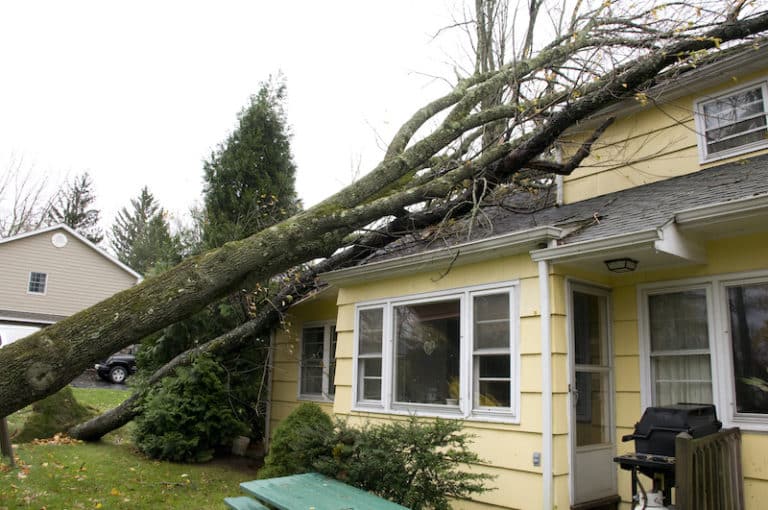
- A tree falling during a storm
- Someone breaks into your home and steals
The key factor is that the damage did not develop gradually over weeks, months, or years.
If damage creeps in slowly – even if the homeowner did not notice it – it usually fails the “sudden” test.
What “Accidental” Means (And What It Does Not)
Accidental means unintended. The homeowner did not plan for it, cause it deliberately, or expect it to happen as part of normal use.
This does not mean the homeowner did everything perfectly. It means the damage was not the result of intentional action.
For example:
- Accidentally leaving a window open during a storm may still be accidental
- Ignoring a known leak for months is less likely to be considered accidental
Insurers look at whether the damage was a genuine mishap or the predictable result of inaction.
Why Gradual Damage Is Treated Differently
This is where most disputes arise.
Gradual damage includes things like:
- Slow leaks
- Corrosion
- Rot
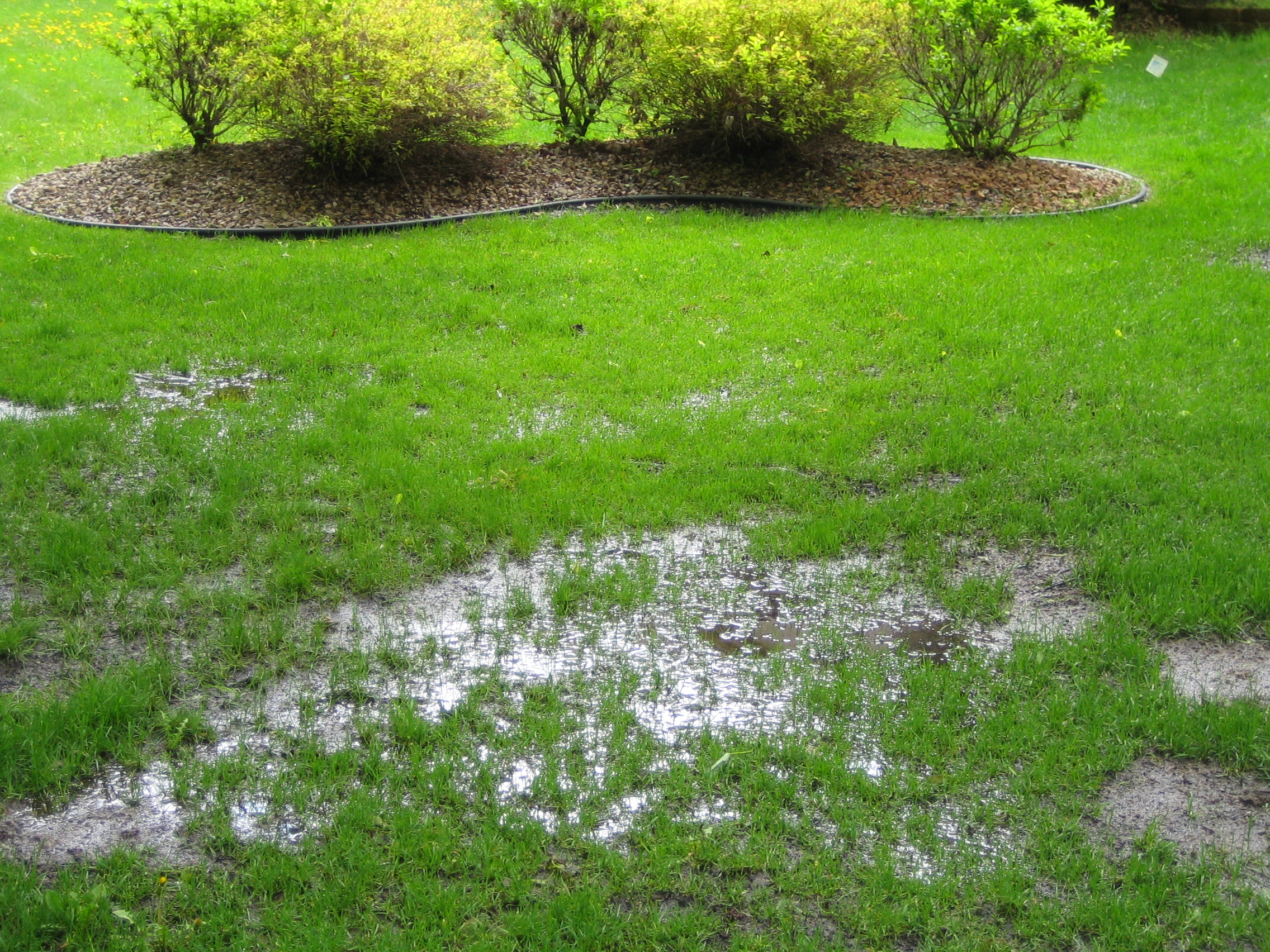
- Soil saturation
- Long-term seepage
Even if a homeowner is unaware of the issue, insurers often classify this type of damage as non-accidental because it developed over time.
From an insurance perspective, gradual damage is not an unexpected event. It is a maintenance issue that eventually reached a breaking point.
This distinction explains why homeowners are often surprised when claims are denied despite the damage feeling sudden when it finally becomes visible.
How Insurers Decide Which Category Applies
When a claim is filed, insurers focus less on the damage itself and more on the timeline.
They look at:
- Evidence of long-term exposure
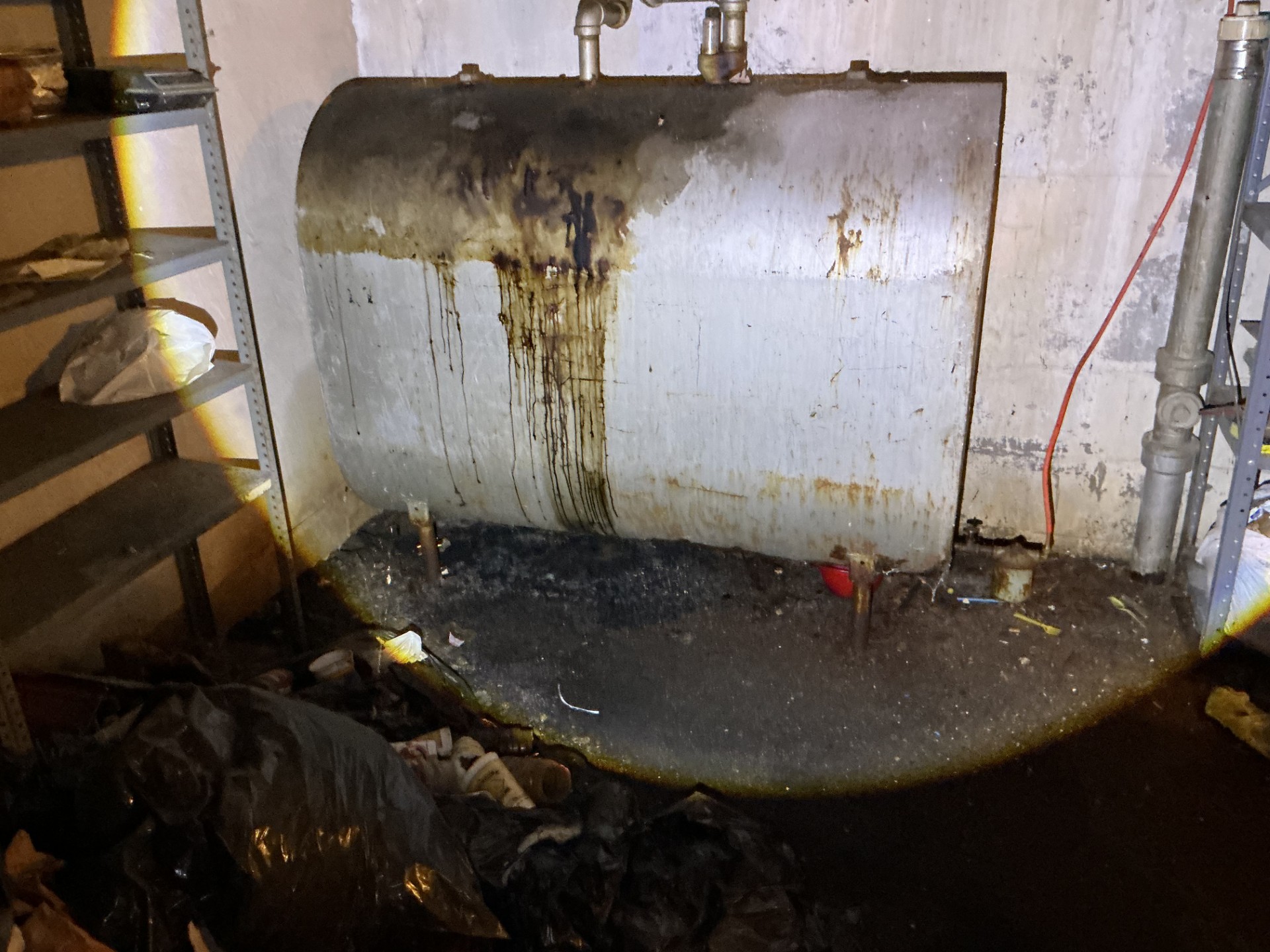
- Staining, corrosion, or rot
- Prior repairs or complaints
- Whether the issue could reasonably have been detected earlier
If evidence suggests the problem existed well before the moment it was discovered, insurers are likely to classify it as gradual, even if the homeowner only noticed it recently.
Discovery date and damage date are not the same thing in insurance.
A Common Example: Water Damage
Water damage is one of the clearest illustrations of how this distinction works.
If a pipe suddenly bursts and floods a room, the resulting damage is often considered sudden and accidental. Insurance may cover damage to floors, walls, and belongings.
If a pipe has been leaking slowly behind a wall for months, causing mold or rot, that damage is usually excluded – even if the homeowner had no idea the leak existed.
Same system. Same water. Very different insurance outcomes.
Why This Phrase Shows Up in Denials
When insurers deny claims using the phrase “not sudden and accidental damage,” they are usually saying one of two things:
- The damage developed over time
- The damage resulted from wear, maintenance issues, or predictable failure
This language is not meant to sound vague. It is meant to anchor the decision to how insurance defines risk.
Understanding that intent does not make denials easier, but it does make them more predictable.
How This Affects Systems Like Septic or Oil Tanks
Systems that fail slowly and underground are especially affected by this standard.
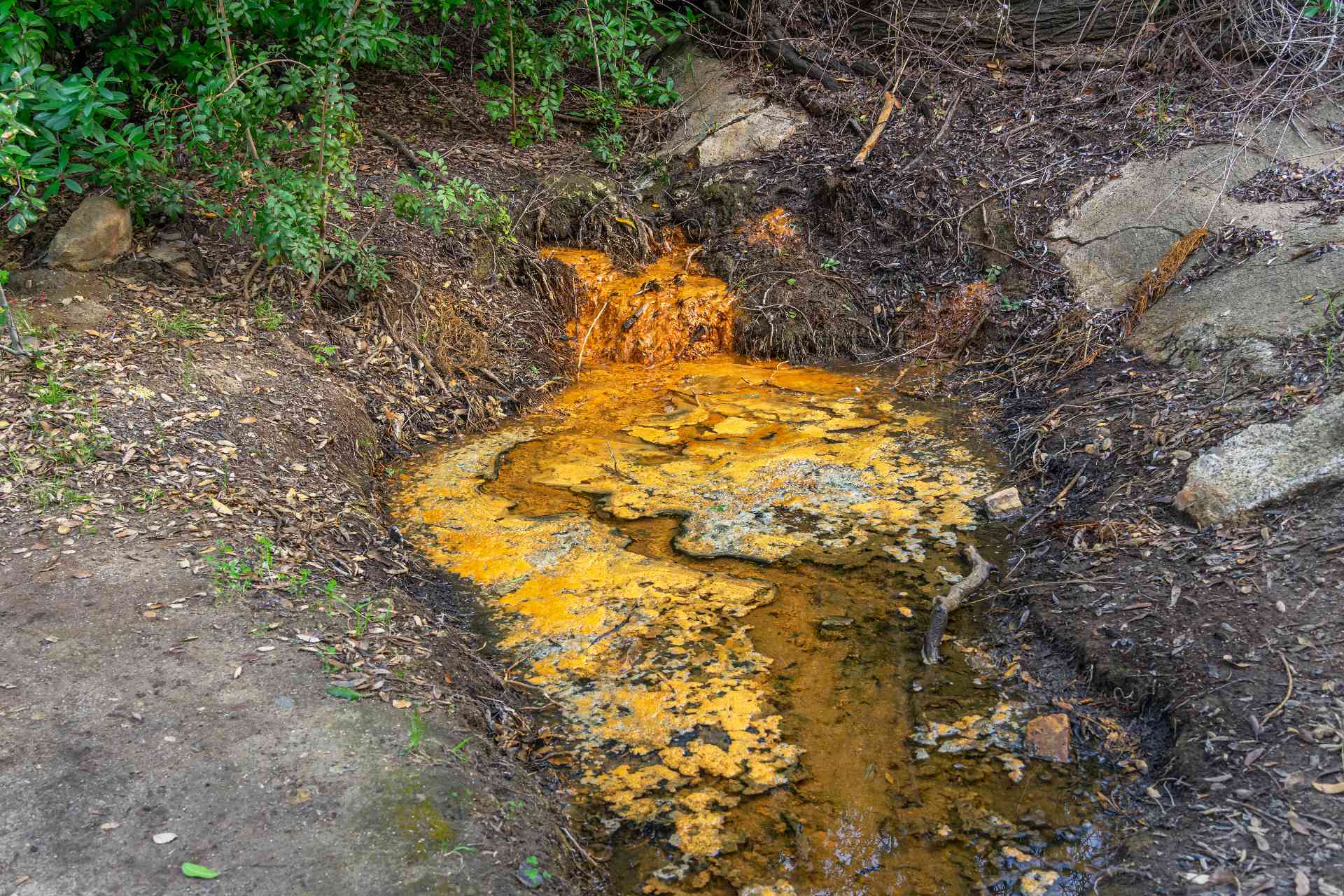
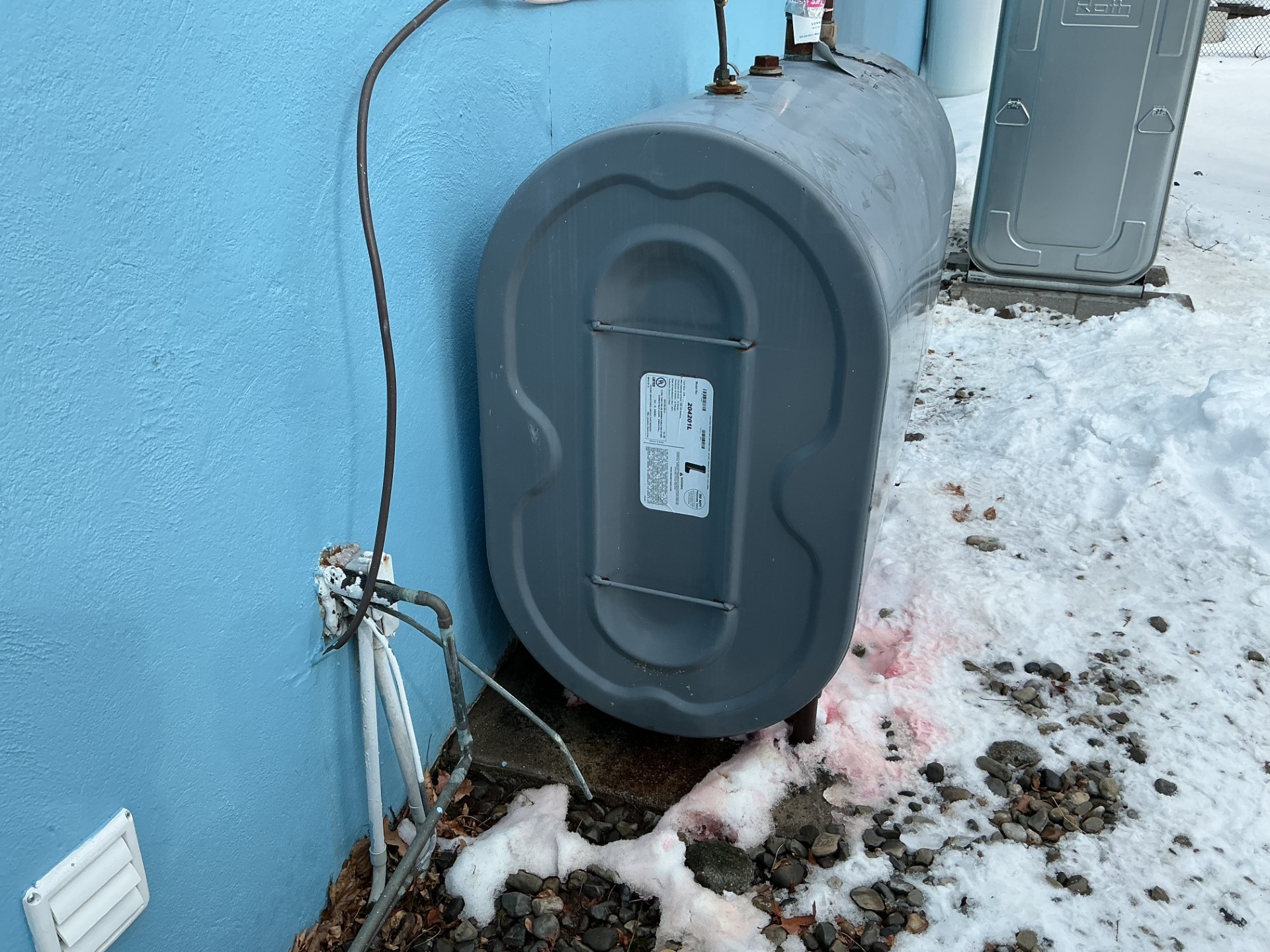
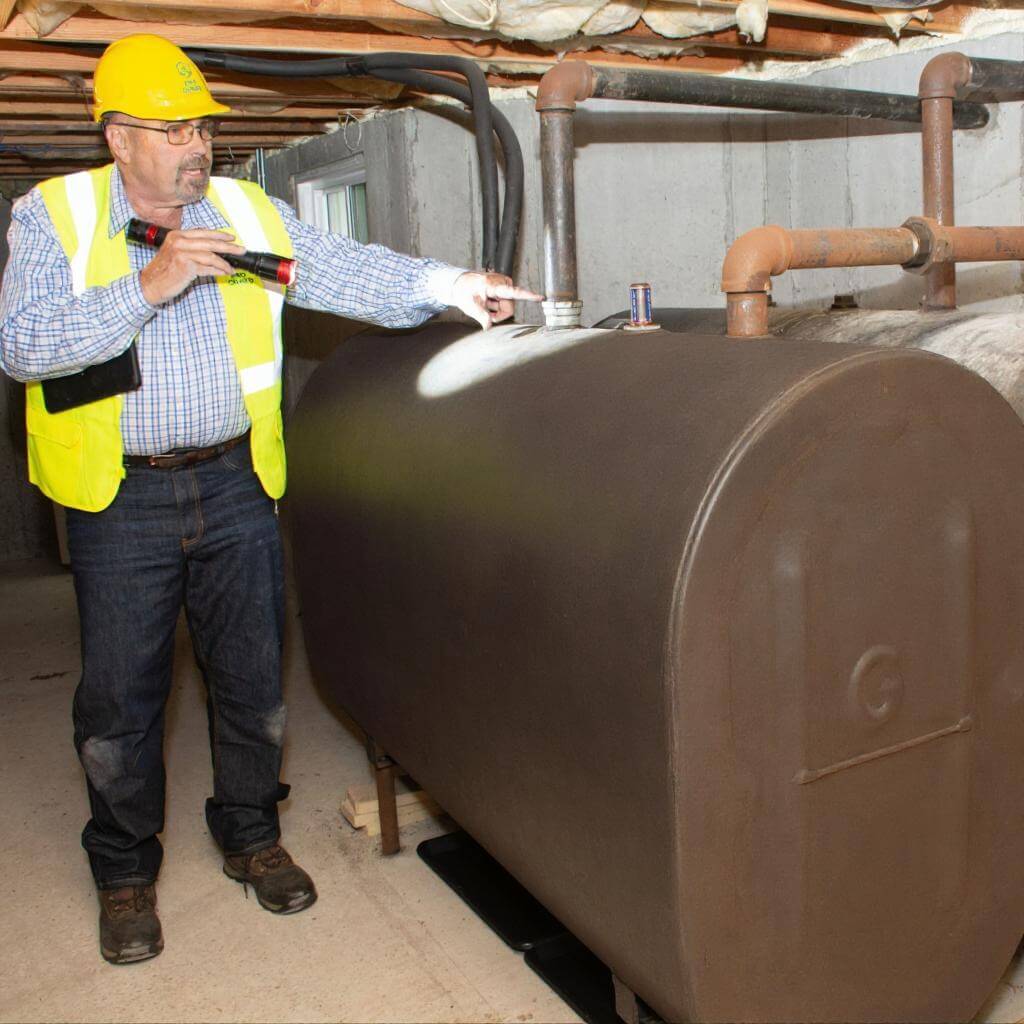
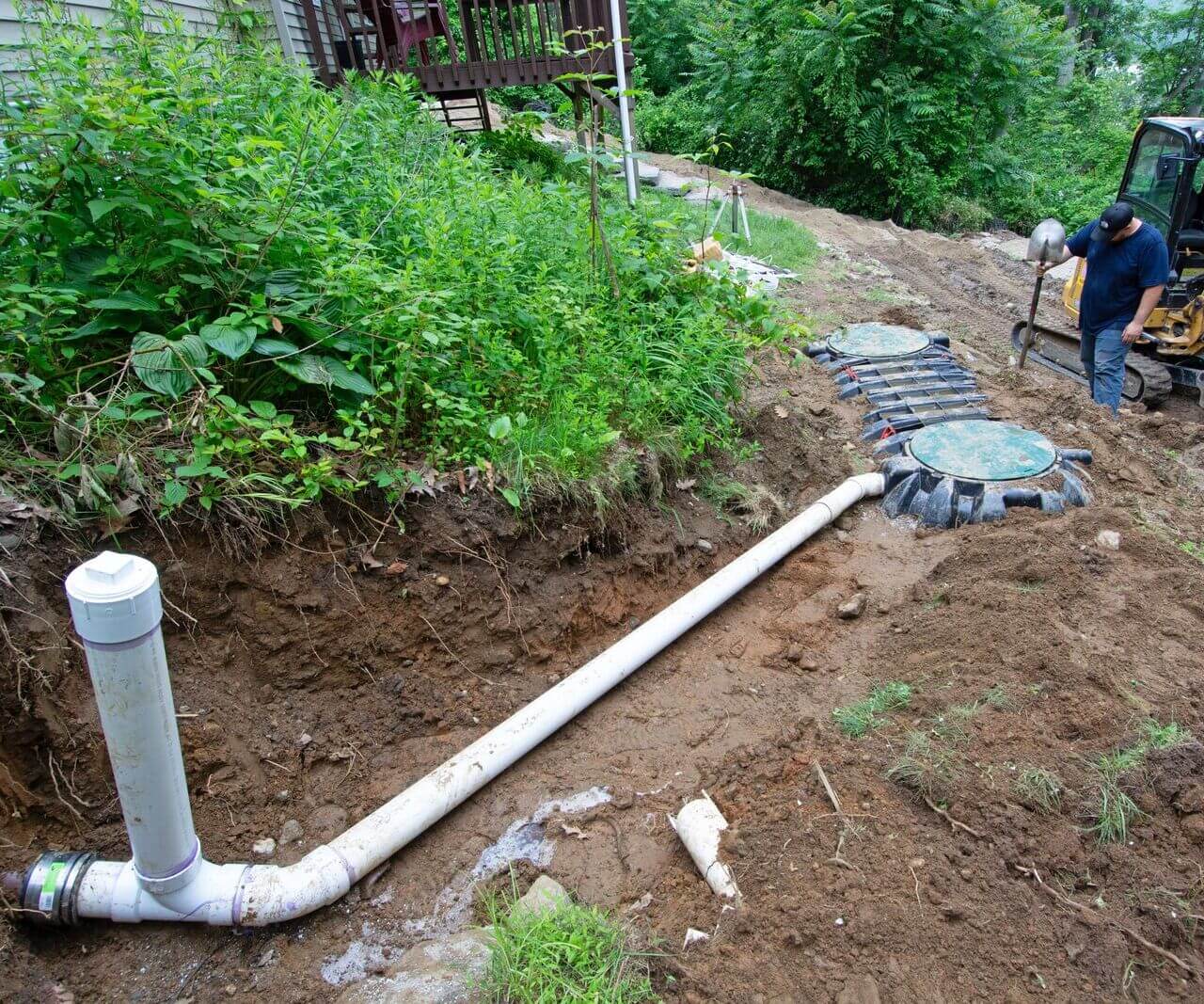
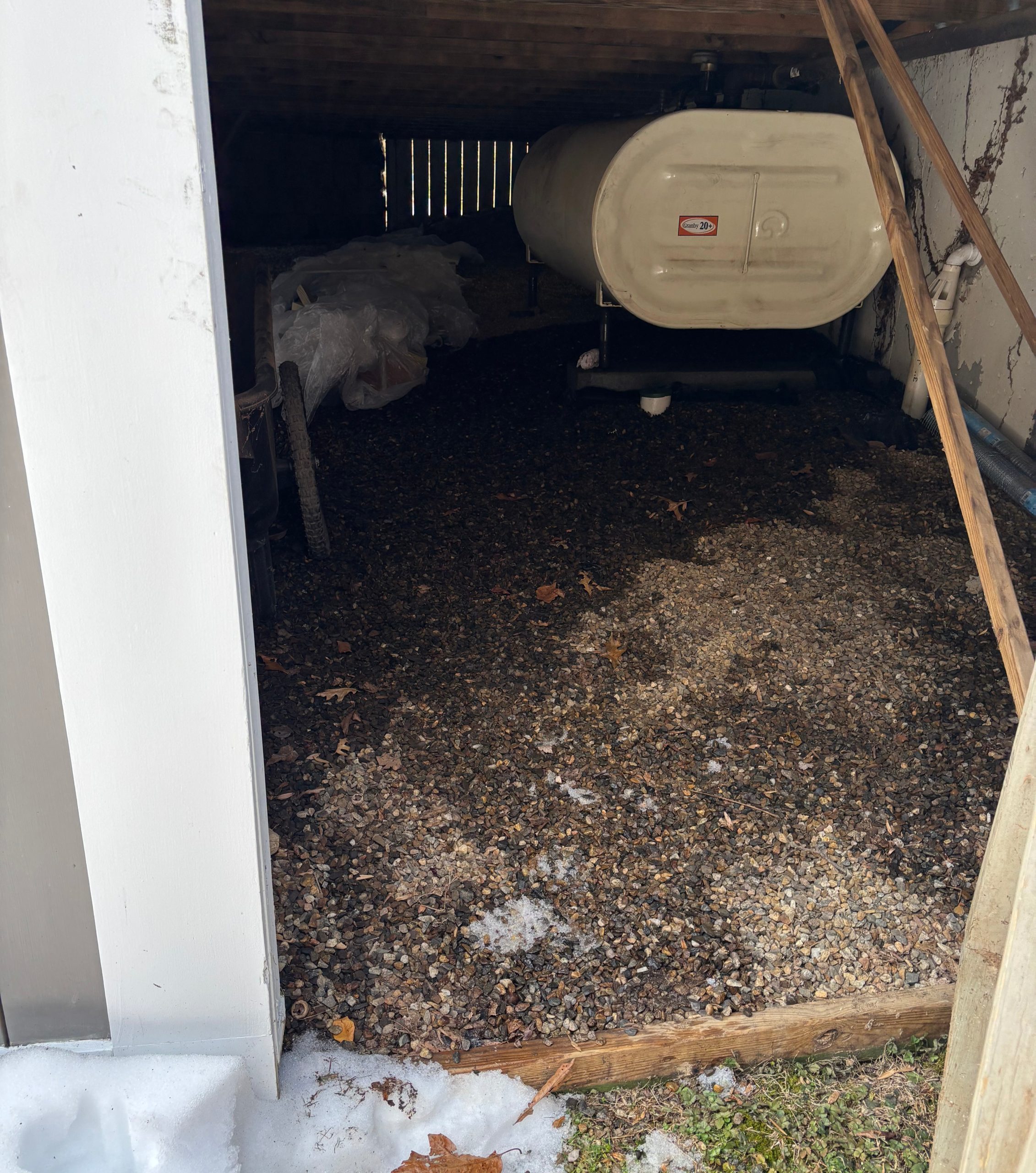
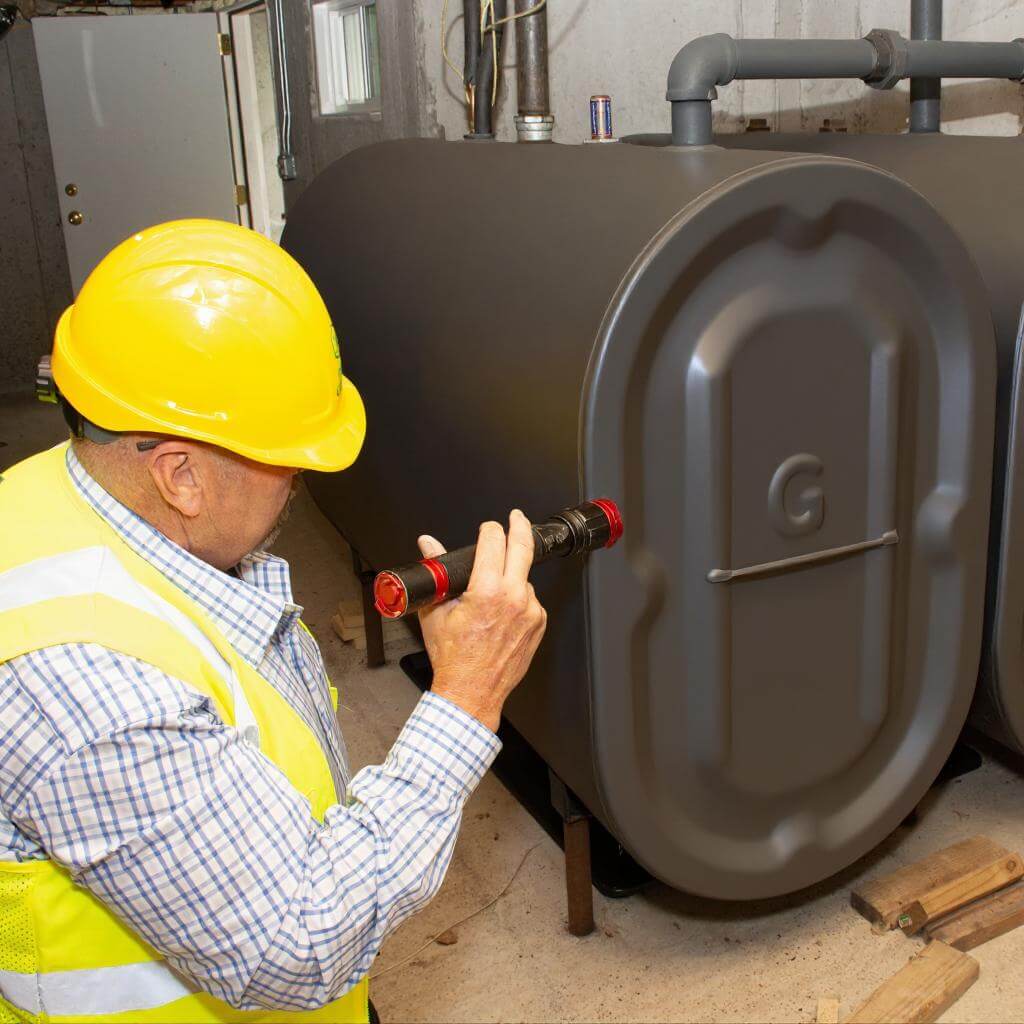
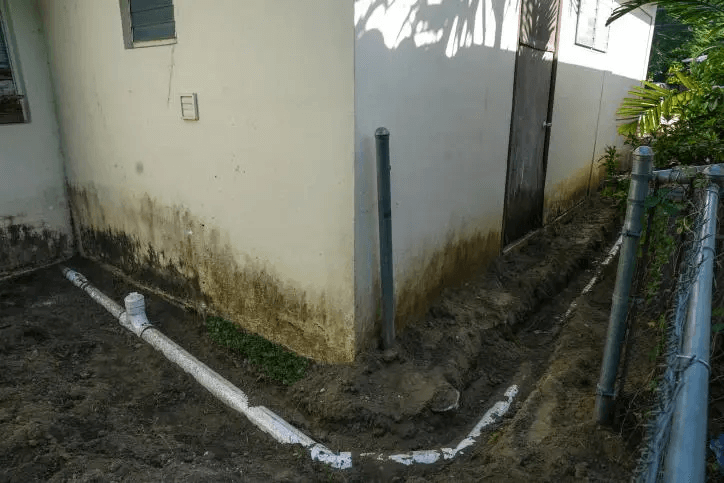
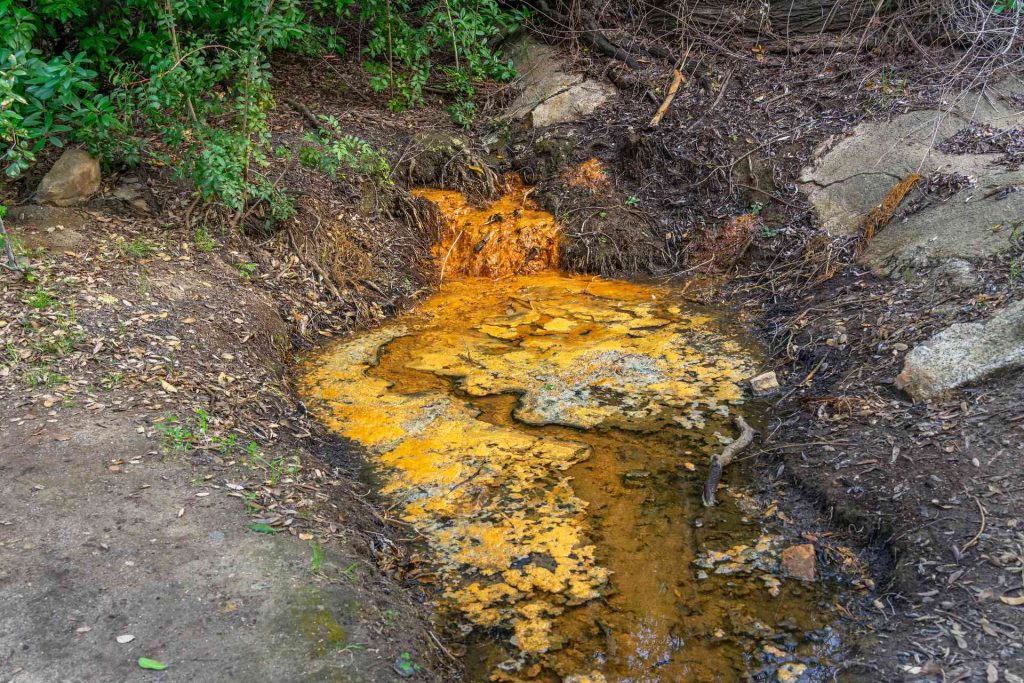
Septic systems and oil tanks often deteriorate over long periods. Leaks, soil saturation, and contamination usually do not happen all at once. By the time symptoms appear, the damage has often been developing for years.
That timeline is why these systems so often fall outside “sudden and accidental” coverage, even when failure feels abrupt to the homeowner.
Why Homeowners and Insurers Talk Past Each Other
Homeowners tend to focus on when they noticed the problem. Insurers focus on when the damage began.
That difference in perspective explains much of the frustration around claims. What feels sudden emotionally may not be sudden technically.
Once you understand that insurers are evaluating history, not surprise, the logic behind many claim decisions becomes clearer.
How to Read This Phrase More Usefully
Instead of asking, “Did this happen suddenly to me?” a better question is: “Could this damage reasonably have been developing over time?”
If the answer is yes, insurance coverage becomes less likely.
This framing helps homeowners set realistic expectations before filing a claim.
Closing Thought
“Sudden and accidental damage” is not just legal language. It is the foundation of how homeowners insurance separates accidents from ownership responsibilities.
The phrase exists to cover events that break the normal rhythm of homeownership – not the slow, inevitable breakdown of systems over time. Understanding that distinction does not eliminate risk, but it does eliminate confusion when insurance responses do not match homeowner expectations.
Homeowners should know the risks insurance covers their property for, and should understand the systems that need to be protected by robust home warranty products that cover them to repair/replacement following long-term degradation, aging, wear and tear.