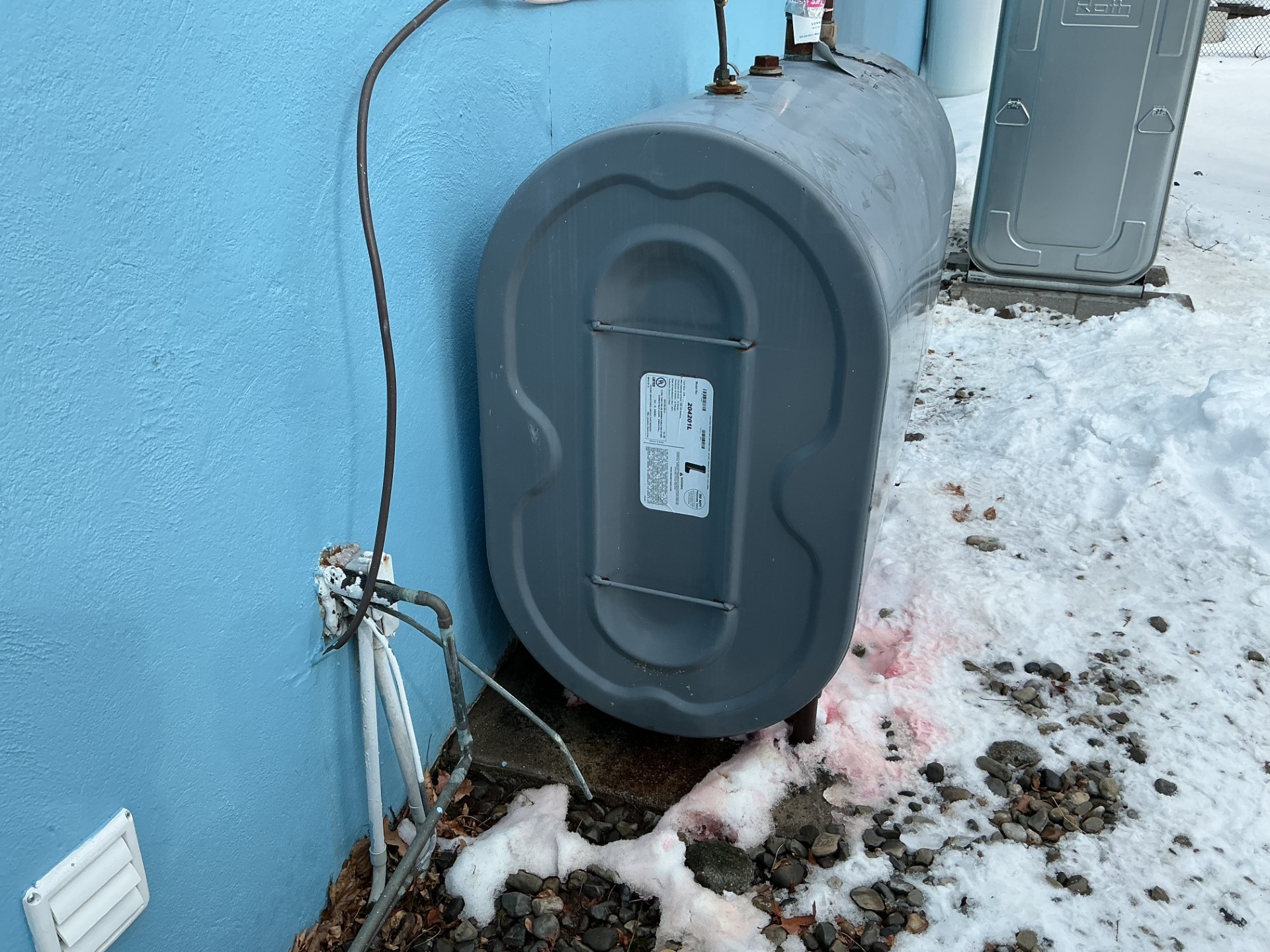
Signs of an oil tank leaks almost never look dramatic at first. There is no explosion, no obvious flood, no instant disaster. Instead, they tend to show up as small, unsettling clues that are easy to explain away – until they are not.
What makes oil tank leaks especially tricky is that many of the signs do not point clearly to the tank itself. Homeowners often notice something feels “off” long before they realize what is actually happening underground or behind a wall.
A Smell That Wasn’t There Before
The most common early sign of an oil tank leak is the smell. Heating oil has a strong, unmistakable odor, and once you notice it, it is hard to ignore.
Sometimes the smell is faint and intermittent. It might appear only in certain rooms, during warm weather, or after the heating system runs. In basements, crawl spaces, or utility rooms, the smell may seem stronger near walls or floors rather than near the tank itself.
Because heating oil odors can linger, homeowners often assume the smell is old residue or a temporary issue. In reality, a persistent or returning odor is one of the clearest early warnings that oil may be escaping somewhere in the system.
Stains, Discoloration, or Damp Areas
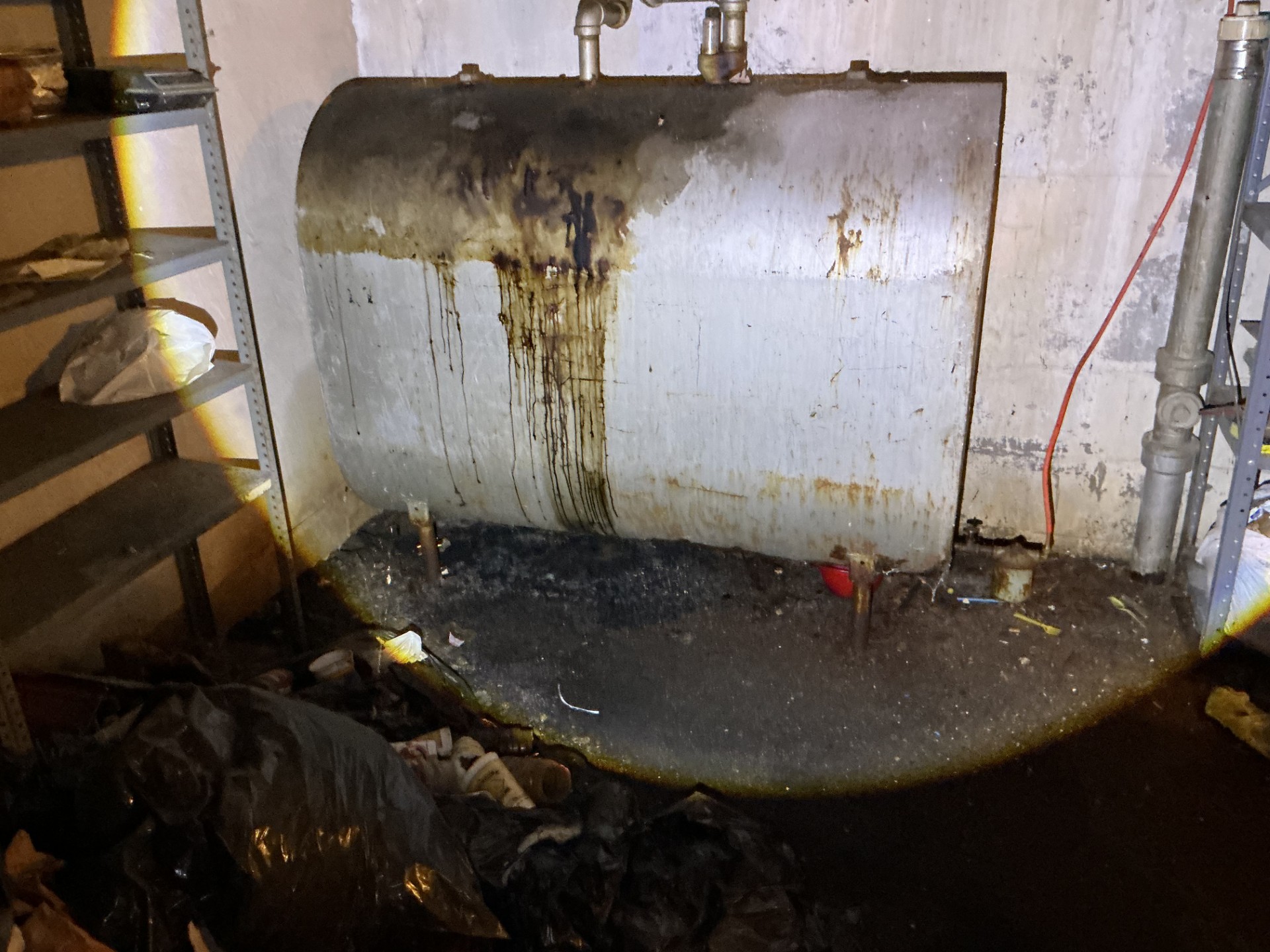
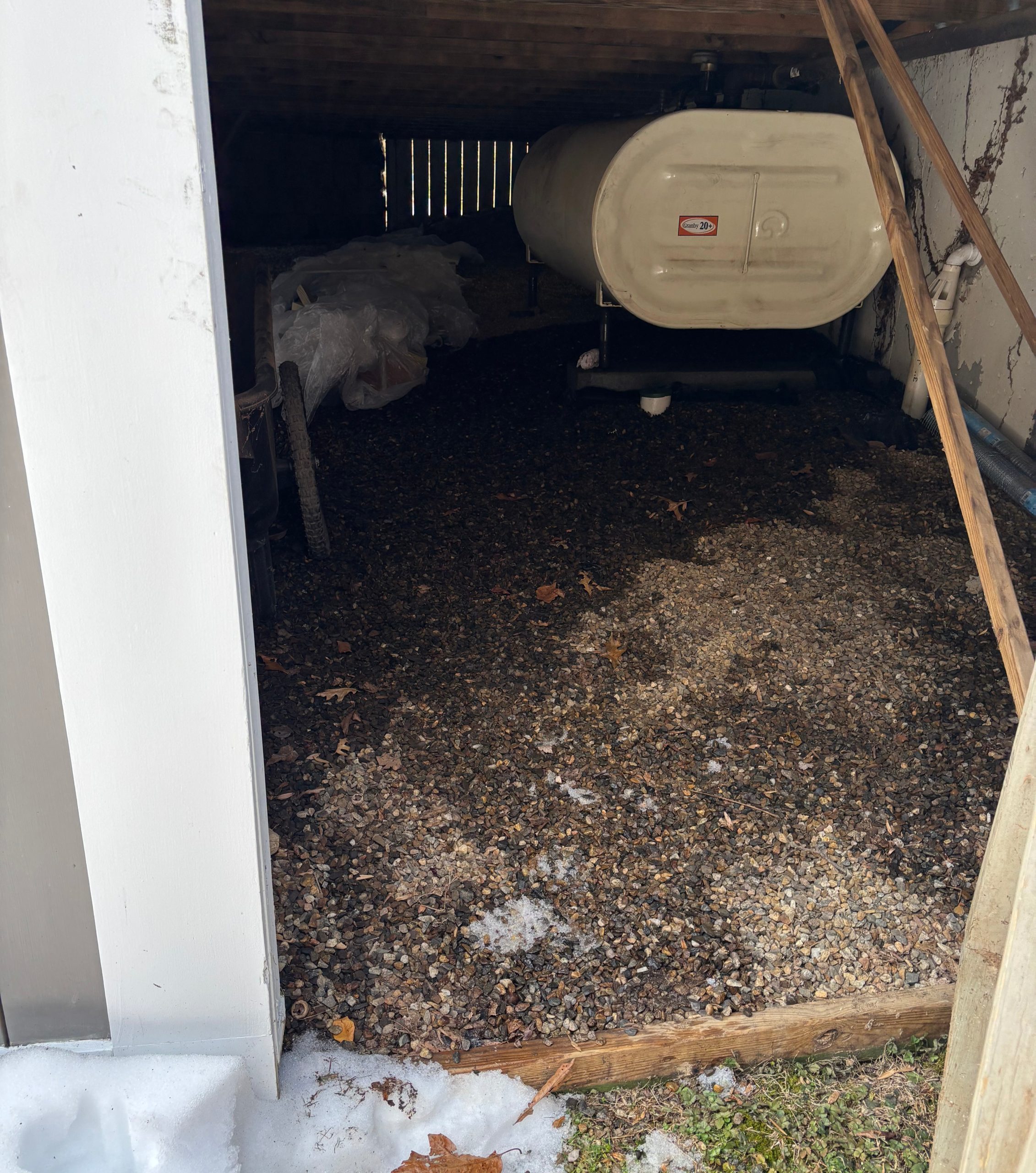
Oil does not always stay hidden. In homes with aboveground tanks, leaks may leave dark stains on floors, walls, or concrete pads. These stains can look oily, greasy, or unusually dark compared to surrounding areas.
In some cases, homeowners notice dampness or discoloration near the base of a tank or along supply lines. Even small drips can soak into porous materials and spread beyond the point where the leak actually occurred.
Because oil moves slowly through materials, visible staining often means the leak has been present longer than expected.
Unexplained Drops in Oil Levels
nother subtle sign of an oil tank leak is fuel loss that does not match usage. Homeowners may notice they are refilling the tank more often or running out of oil sooner than usual, even though heating habits have not changed.
This can be easy to dismiss during cold weather, when oil consumption naturally increases. But when usage patterns do not line up with weather or household changes, it raises an important question: where is the oil going?
Leaks do not have to be large to affect tank levels over time.
Strong Odors Outside the Home
Oil tank leaks are not always confined indoors. For outdoor or underground tanks, odors may appear in the yard instead.
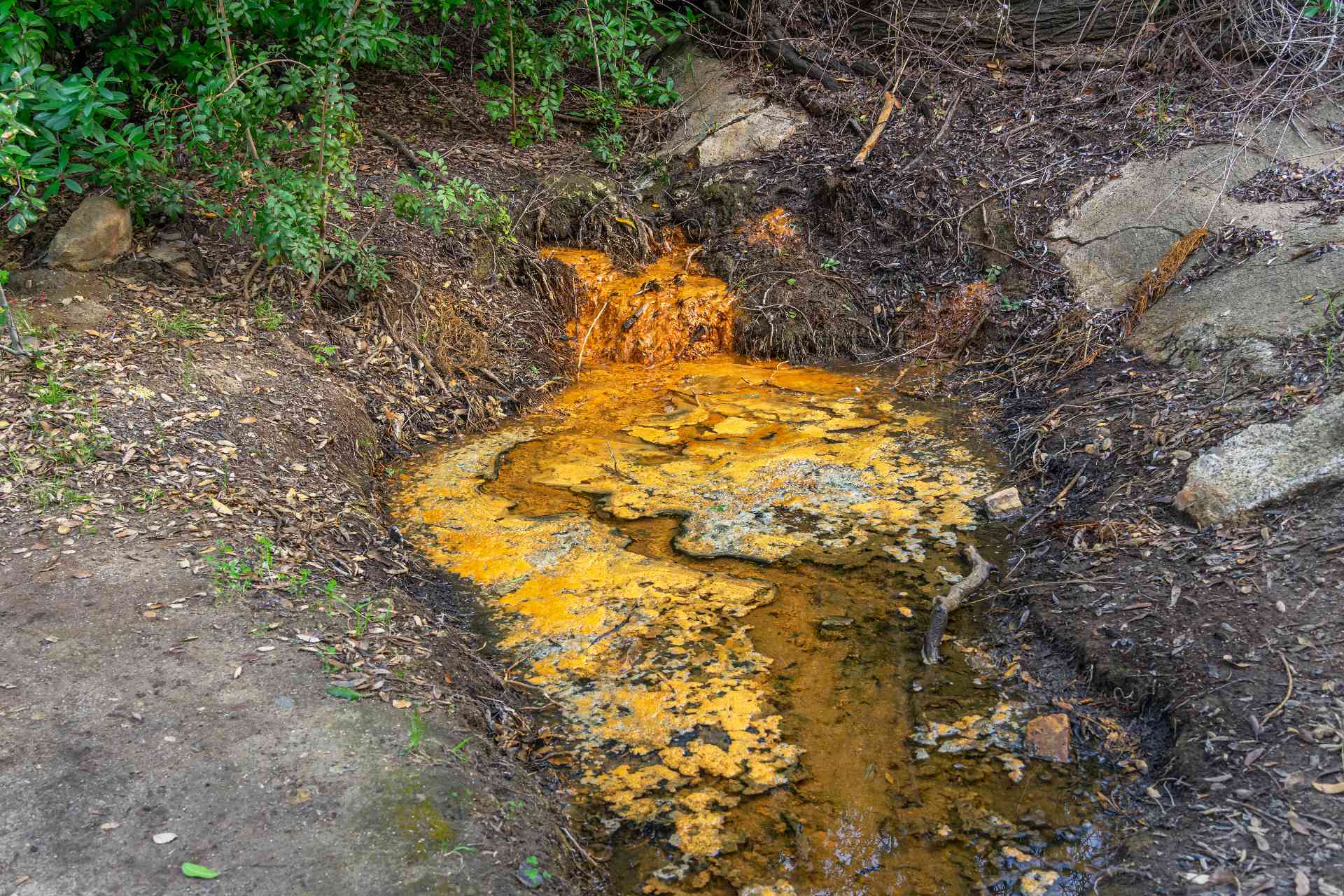
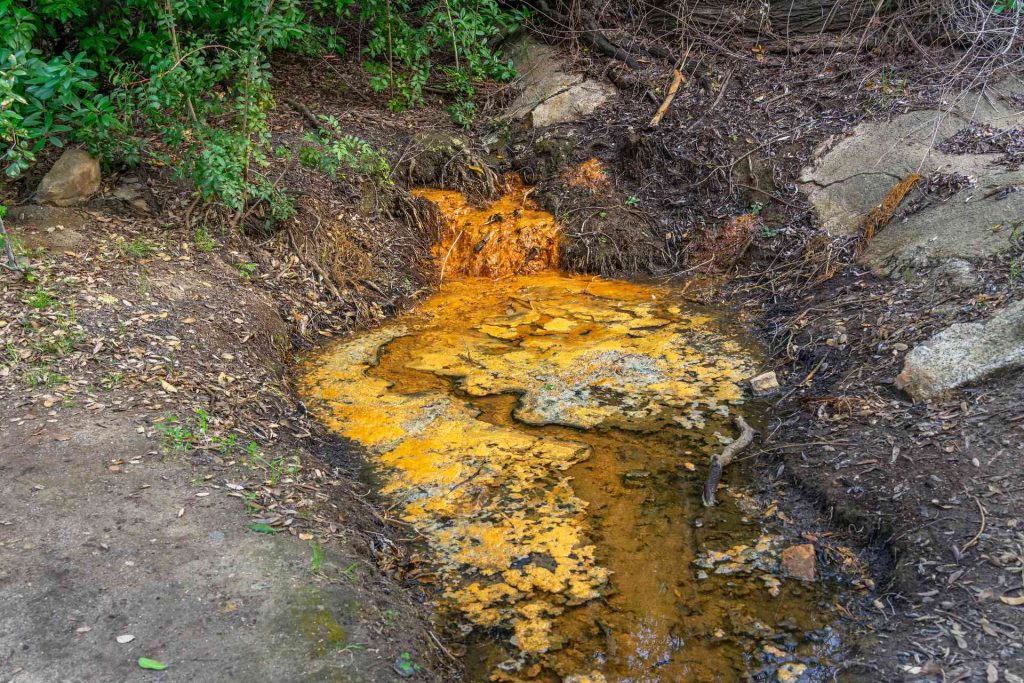
Some homeowners notice a petroleum smell near the tank location, along a fence line, or near low spots in the yard. After rain, the smell may become stronger as oil rises closer to the surface or moves with groundwater.
Outdoor odors are often overlooked or attributed to nearby sources, but they can be a sign that oil has moved into surrounding soil.
Changes Discovered During Testing or Inspection
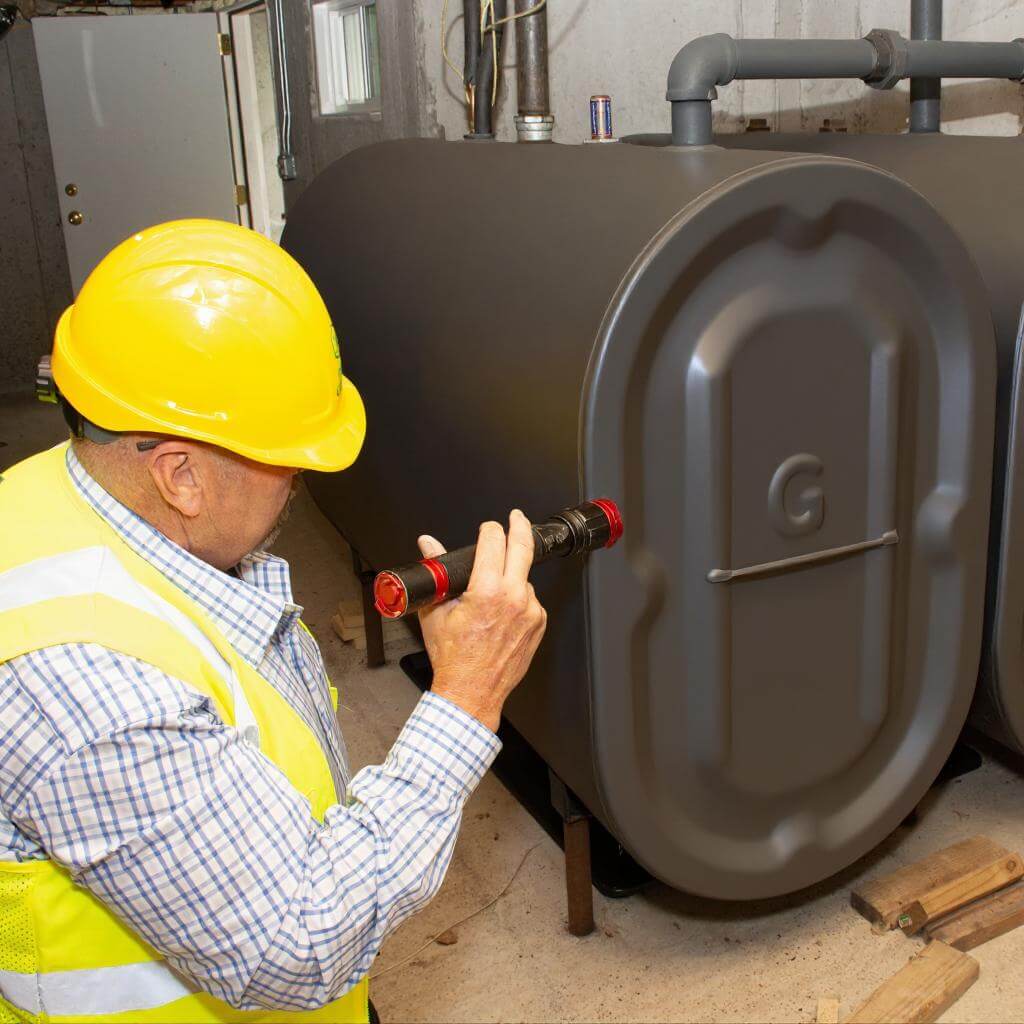
Many oil tank leaks are discovered during inspections rather than daily use.
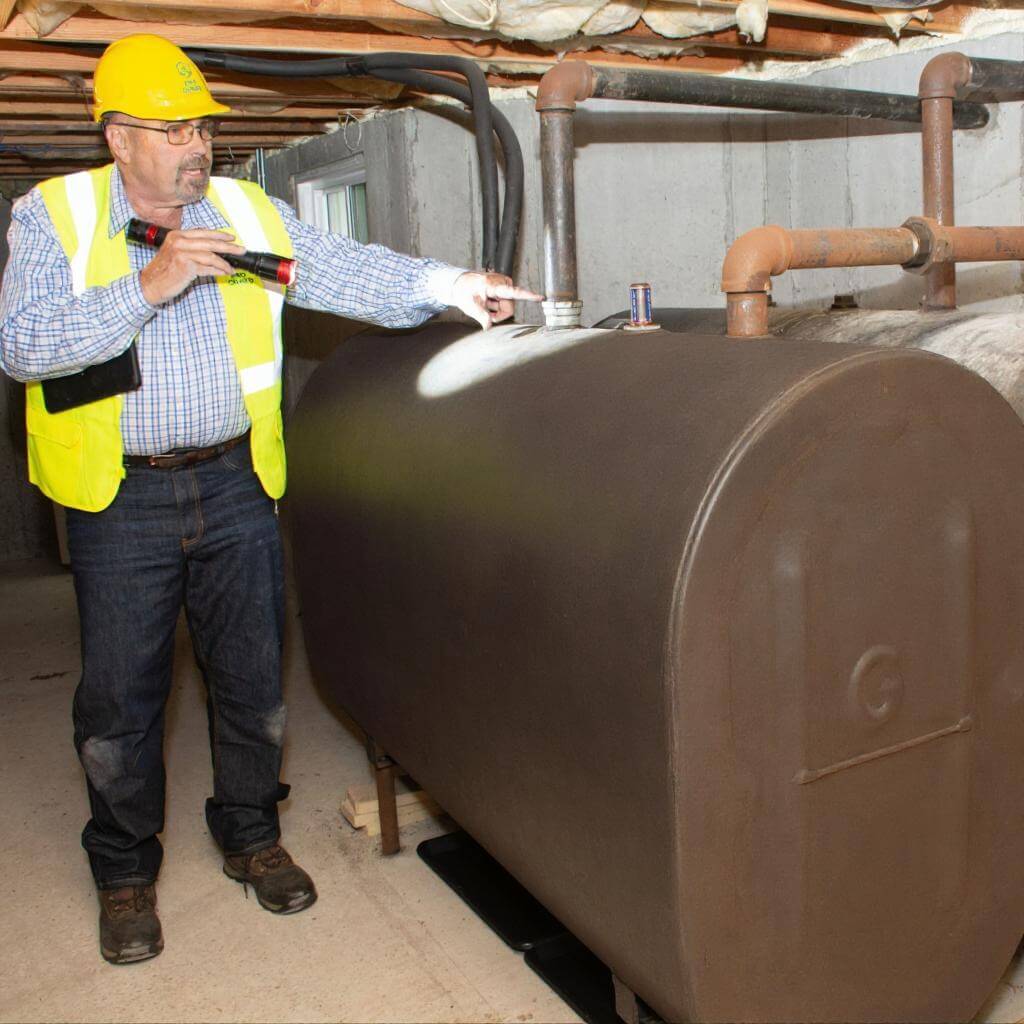
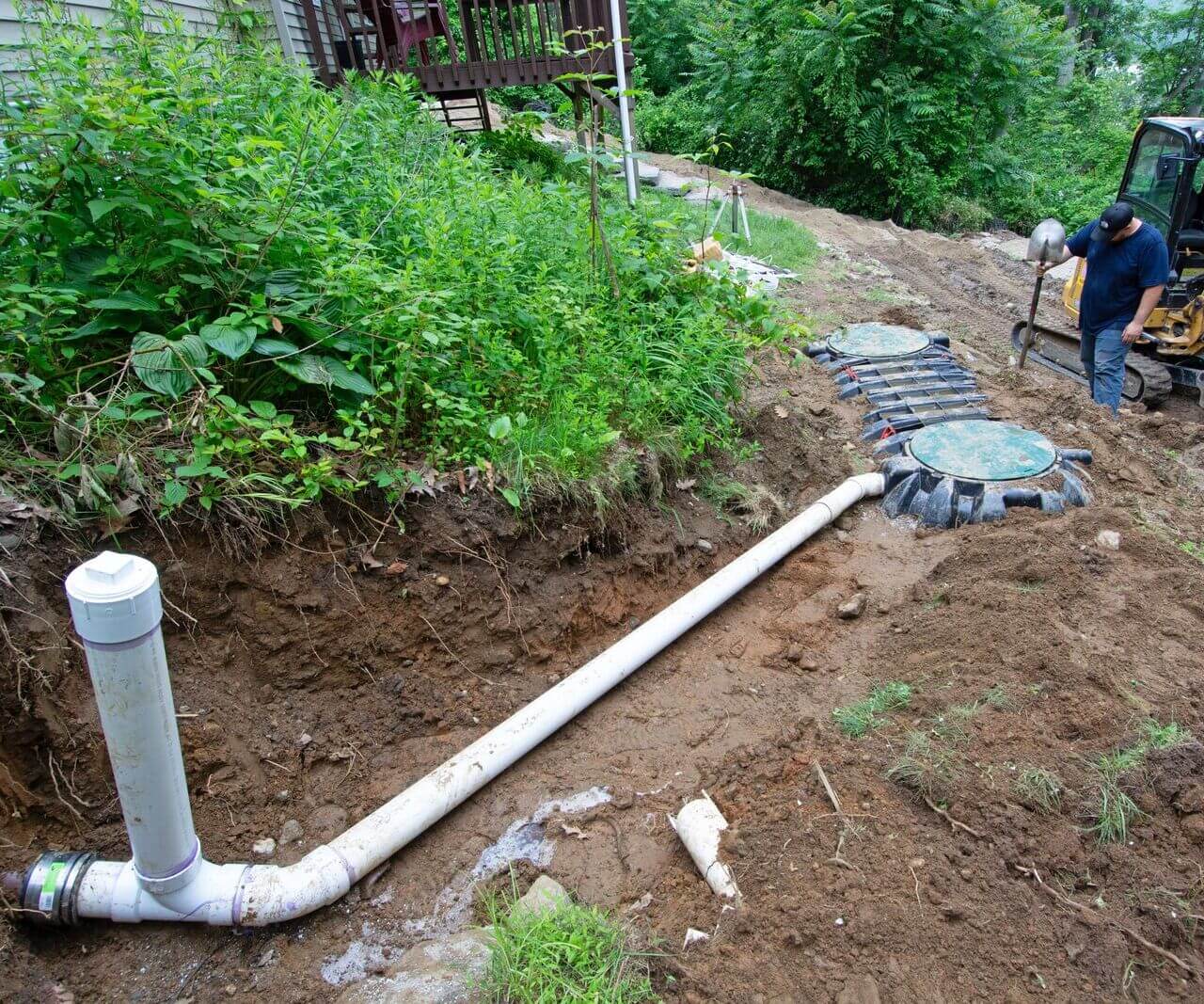
Home inspections, tank tightness tests, or soil sampling can reveal leaks that were previously unknown. This is especially common with underground tanks, which can leak for years without any visible signs.
For homeowners, this is often the most jarring discovery: learning about a leak not because of a problem they noticed, but because a test confirmed it.
Oil Odors That Come and Go
One of the most confusing signs of an oil tank leak is inconsistency. The smell may disappear for weeks or months, only to return later.
Temperature changes, soil moisture, and ventilation all affect how oil odors travel. Warmer weather can make odors stronger, while cold weather can temporarily mask them.
This on-and-off pattern is one reason leaks go undiagnosed for so long.
Why These Signs Are Often Ignored
Oil tank leaks are easy to ignore because none of the early signs of an oil tank leak feel urgent on their own. A smell here, a stain there, a refill that seems a little early – none of these force immediate action.
Unlike a burst pipe or power outage, oil tank leaks rarely disrupt daily life at first. The lack of immediate consequences makes delay feel reasonable, even though the underlying issue may be growing.
When Signs Start to Overlap
The risk increases when multiple signs appear together. A persistent smell combined with staining, unusual fuel loss, or outdoor odors is rarely a coincidence.
At that point, the odds are high that oil is escaping somewhere in the system. The longer it continues, the greater the chance that contamination spreads beyond the immediate area.
Why Early Signs Matter
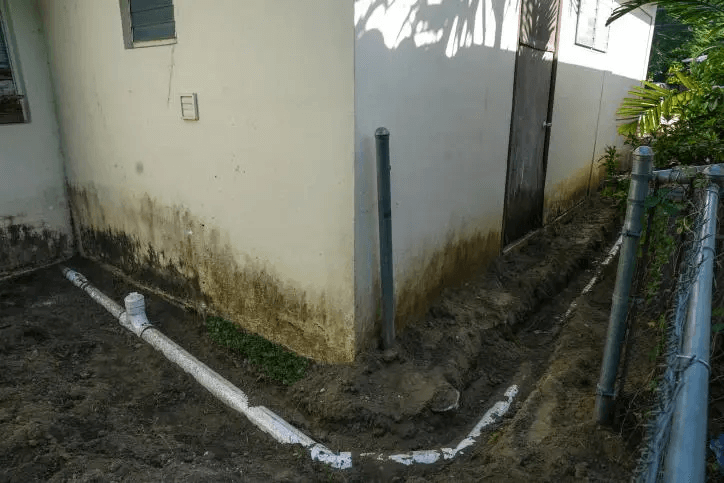
Oil tank leaks become expensive not because the tank fails, but because oil moves. Once oil enters soil, sump pump, building foundations or groundwater, cleanup becomes far more complicated.
Recognizing early signs does not guarantee an easy fix, but it can limit how far the problem spreads. In many cases, time is the single most important factor in determining how serious a leak becomes.
A Different Way to Think About It
Oil tanks are quiet systems. They do not break loudly. They fade slowly. When something feels off, it usually is.
Most homeowners who deal with oil tank leaks later say the same thing in hindsight: there were signs, but they did not seem important at the time. Understanding the signs of an oil tank leak gives homeowners a better chance to act before a small issue turns into a much larger one.