Most homeowners expect repairs. A broken appliance, a leaking faucet, maybe a roof patch every now and then. What catches people off guard are the repairs that are not routine, not visible, not optional once they appear, and require emergency response. These are the repairs that quietly turn into financial events.
The most expensive home repairs tend to share a few traits. They are hidden from view, tied to aging infrastructure, regulated, or discovered at moments when time is not on the homeowner’s side. Understanding what they are is less about fear and more about realism.
The Repairs You Cannot Put Off
Some repairs are inconvenient such as a dishwasher failing or washing machine breaking. You can get by for some time washing your kitchen wear in the sink, or washing your clothes at a laundromat. Others repairs completely ruin your family life and need emergency response.
The most expensive repairs usually fall into the second category. They involve systems that are essential to habitability, safety or family health. Once they fail, the home cannot function normally without them, and delaying action often makes the situation worse.
These repairs rarely announce themselves early. They surface when failure is already advanced. And these often end up being some of the most expensive home repairs.
Foundation and Structural Repairs
Structural issues sit at the top of the cost spectrum because they affect the integrity of the entire home.
Foundation movement, settling, or cracking often develops slowly. Small shifts may go unnoticed for years until doors stop closing properly, cracks widen, or moisture intrusion becomes obvious. By the time structural work is required, the repair is complex and invasive.
Fixing structural problems often involves excavation, specialized engineering, and permanent alterations to the home. Costs escalate quickly, especially when access is limited or the issue has progressed beyond a localized area.
Roofing and Water Intrusion That Goes Too Far
Roof repairs are common. Full roof failures are not.
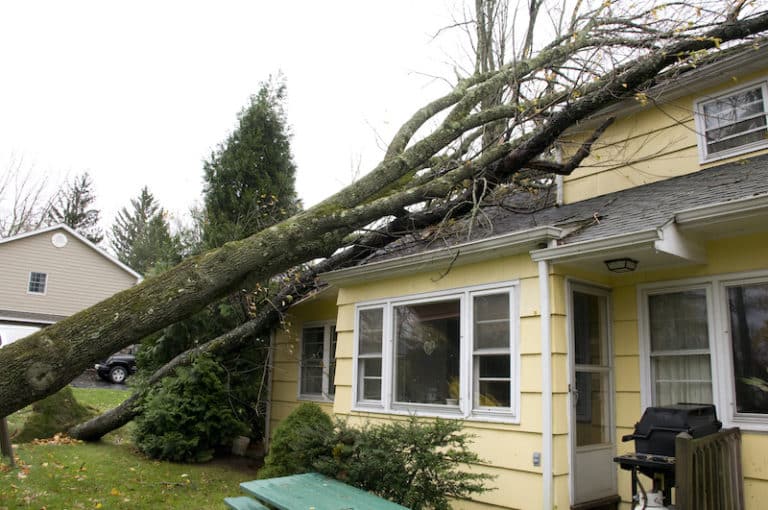
The most expensive roofing repairs are not about shingles. They are about what happens after water gets past the roof and into the structure. Rotting decking, damaged framing, insulation saturation, and mold growth turn a “roof issue” into a multi-system repair.
What makes these repairs costly is timing. Water damage rarely stays confined to one area. Once it spreads, the repair scope grows, and so does the bill. Water damage often are a common cause of some of the most expensive home repairs a homeowner might face.
Electrical System Overhauls
Older electrical systems were not designed for modern loads. Homes built decades ago often struggle to support today’s appliances, electronics, and heating or cooling demands.
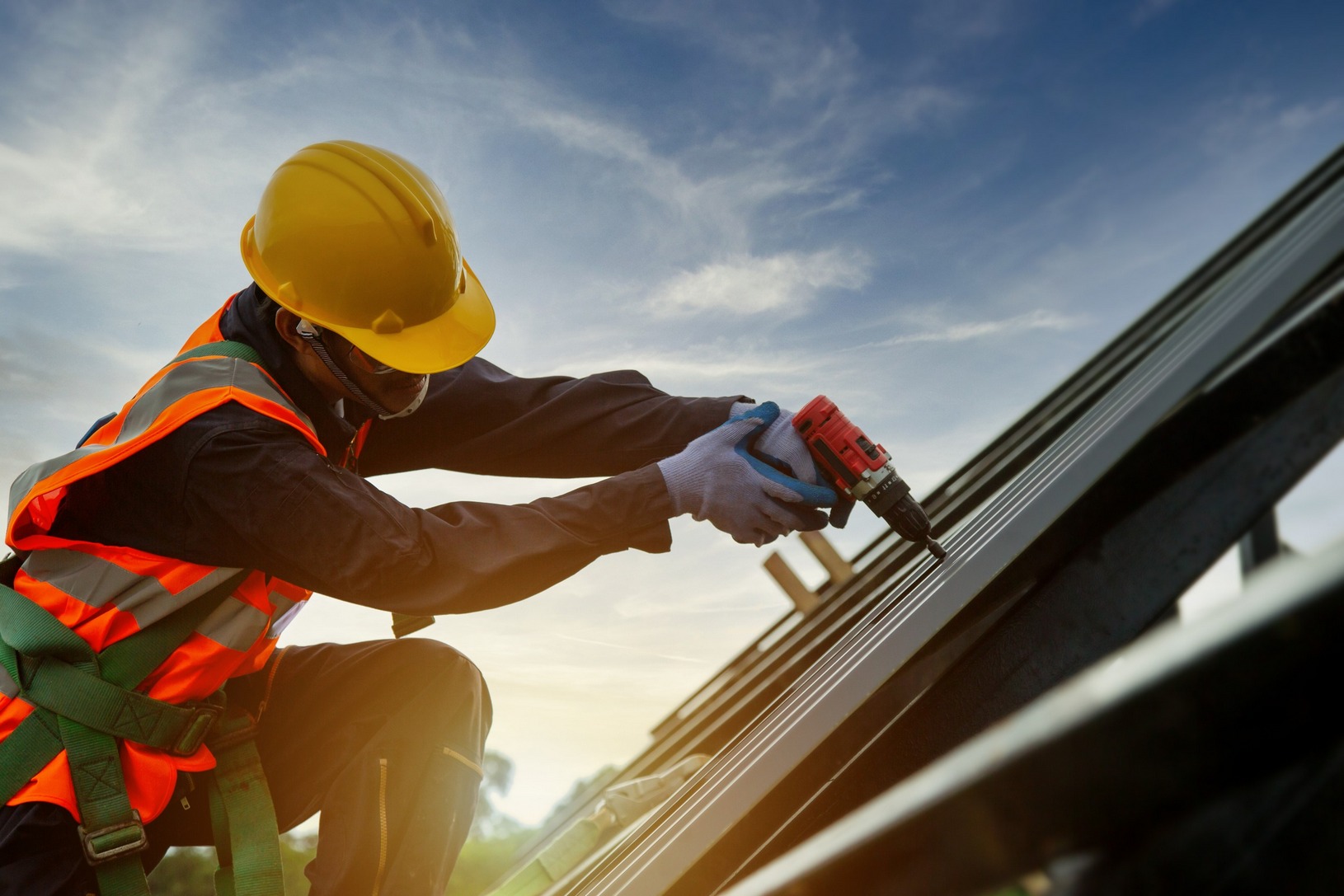
Electrical issues become expensive when partial fixes are no longer enough. Full panel replacements, rewiring, or bringing systems up to current standards require licensed work and, often, opening walls and ceilings.
These repairs are disruptive and regulated, which limits shortcuts and increases cost.
Plumbing Failures Hidden in Walls or Underground
Plumbing repairs range from minor to massive, depending on where the failure occurs.
Leaks inside walls or under slabs can cause extensive damage before they are discovered. Over time, moisture weakens framing, damages finishes, and creates conditions that require far more than a simple pipe repair.
Underground plumbing issues are especially costly because access alone requires excavation or demolition. The repair itself may be straightforward, but getting to it is not.
Heating and Cooling System Replacement
Heating and cooling systems are expected expenses over the life of a home, but costs rise sharply when replacement is complicated by layout, age, or code requirements.
Older homes may not have ductwork sized for modern systems. Newer efficiency standards may require upgrades beyond a simple swap. In some cases, replacing one component exposes the need to update others.
What homeowners expect to be a single replacement often becomes a broader system upgrade.
Environmental and Underground Infrastructure Issues
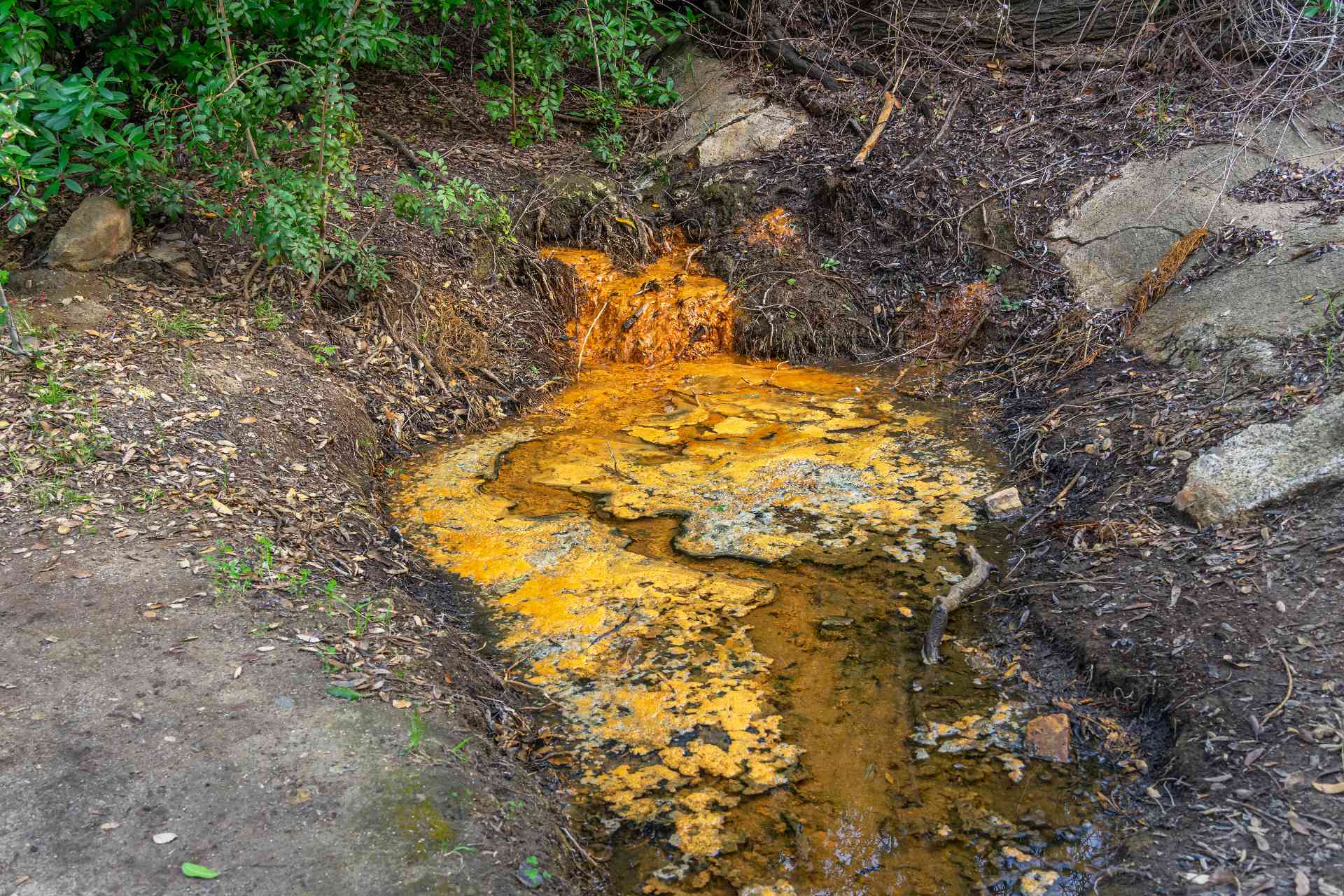
Some of the most expensive home repairs are tied to systems most homeowners rarely think about because they are underground.
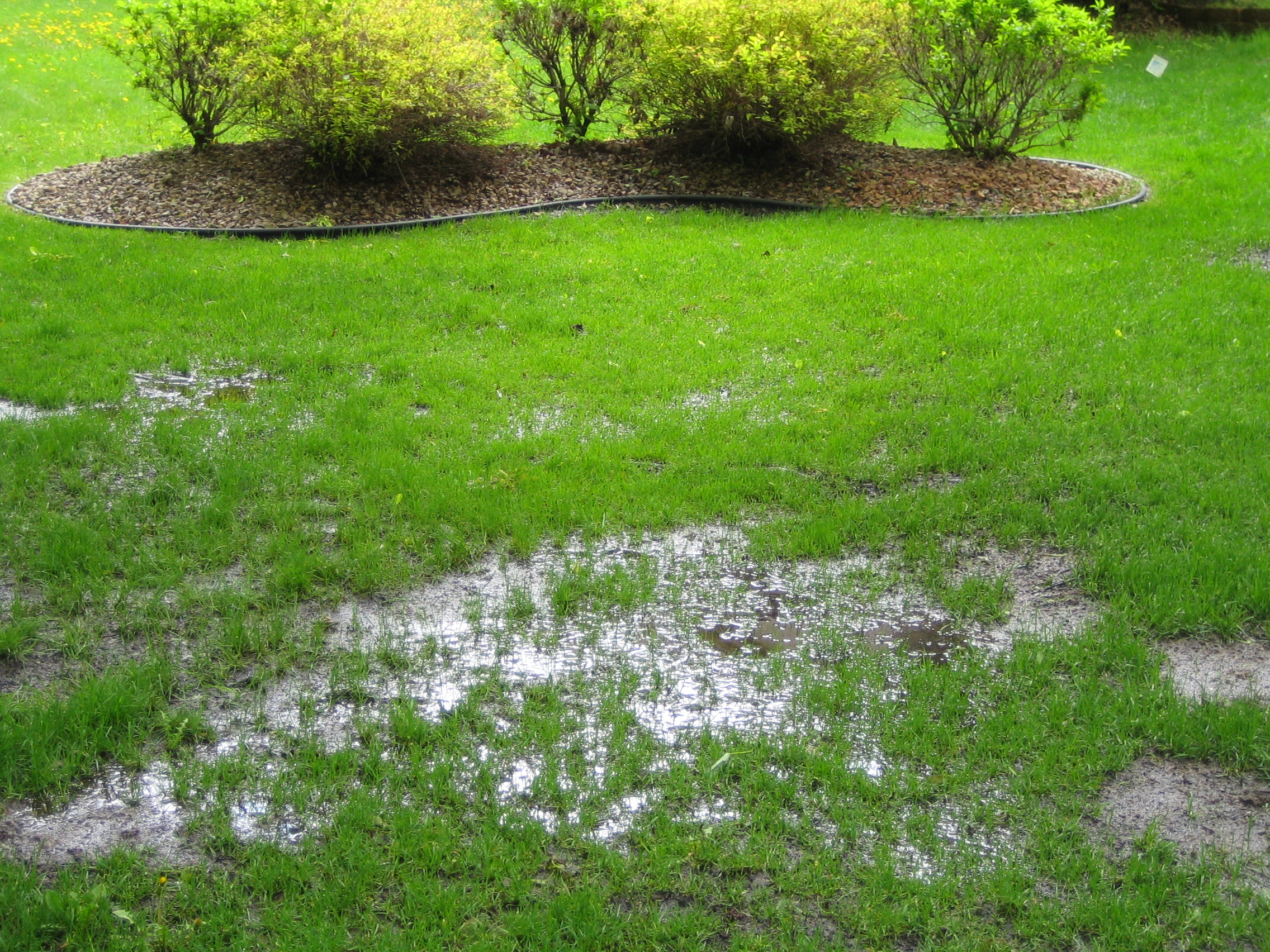
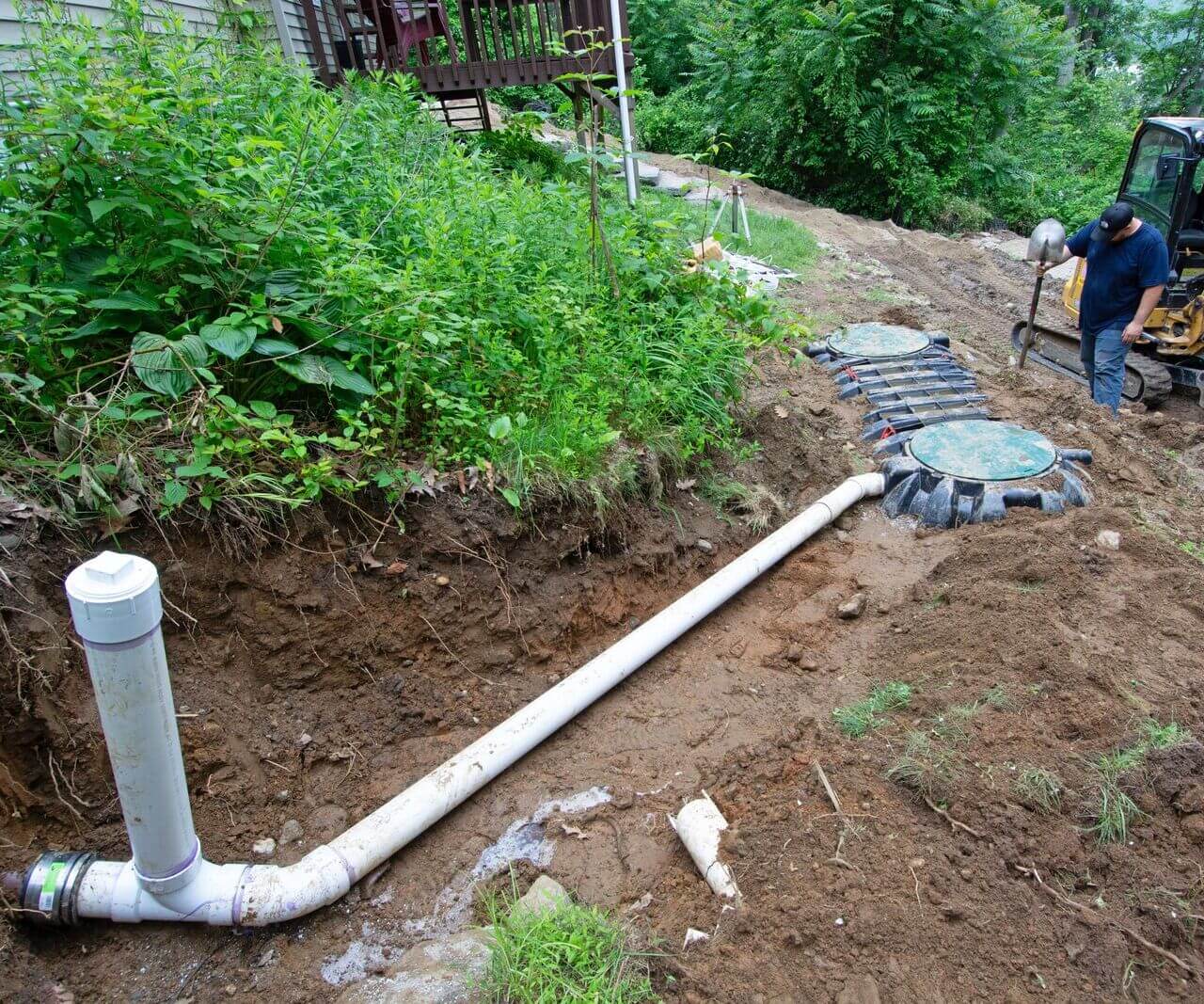
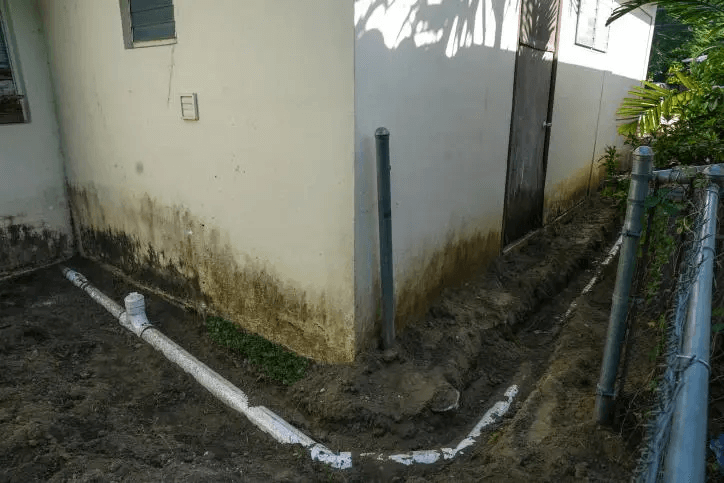
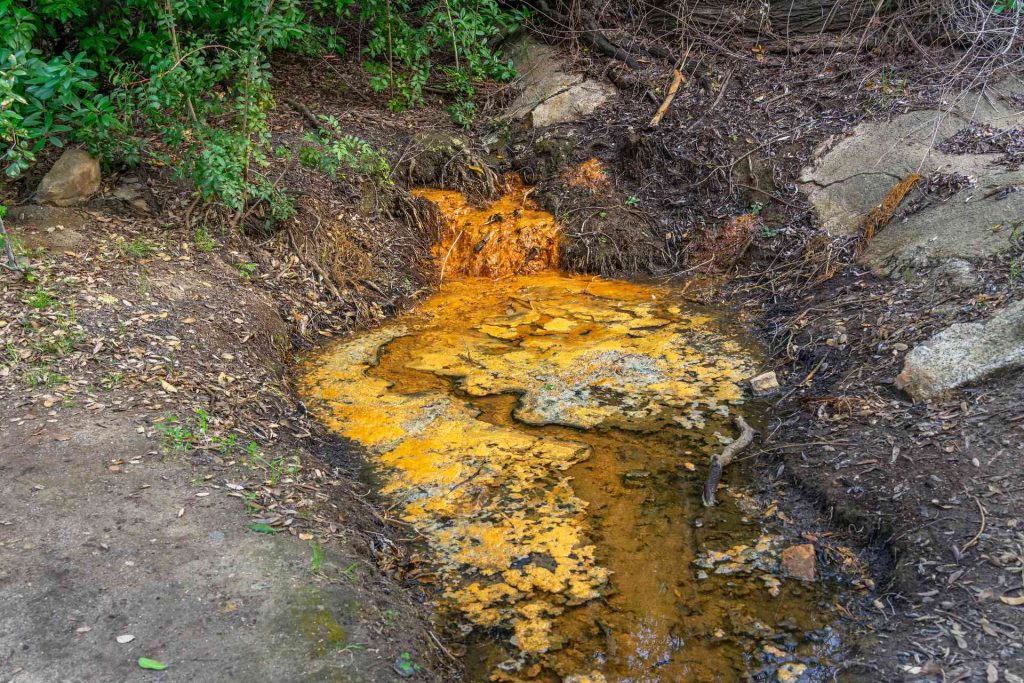
Failures involving drainage, wastewater handling, or environmental contamination often require testing, excavation, and regulatory compliance. These repairs tend to escalate because the full scope is unknown until work begins.
Costs are driven less by the broken component and more by what the failure affects beyond it.
Repairs Triggered by Inspections or Sales
Many high-cost repairs surface during home sales, not daily living.
Inspections bring hidden issues to light at moments when homeowners have limited leverage and tight timelines. Problems that might have been manageable earlier suddenly need immediate resolution to keep a deal alive.
This urgency removes flexibility and increases cost.
Why These Repairs Feel So Shocking
Expensive home repairs are shocking because they break expectations.
Homeowners assume systems fail cleanly and visibly. In reality, the most costly failures are gradual, hidden, and discovered late. They do not feel like maintenance. They feel like surprises.
Insurance often does not help, which adds to the sense of disbelief.
The Pattern Behind the Cost
When you step back, a pattern emerges.
The most expensive home repairs involve:
- Systems that are essential to safety or habitability
- Failures that develop slowly
- Repairs that require specialized labor or regulation
- Problems discovered under time pressure
- Systems located underground or out-of-sight
Understanding that pattern matters more than memorizing a list.
A Practical Way to Think About Risk
Instead of asking “what might break,” a better question is “what would be hardest to deal with if it did?”
Repairs that affect the structure, water control, or underground systems tend to be the hardest because they combine cost, disruption, and urgency. Those are the repairs that reshape budgets and plans.
Every home will need repairs. The most expensive ones are not the most obvious. They are the ones that stay hidden until they cannot be ignored.
Knowing which repairs carry the highest financial risk helps homeowners prioritize inspections, maintenance, and planning. It does not eliminate surprise, but it reduces the shock when something serious finally comes to the surface.
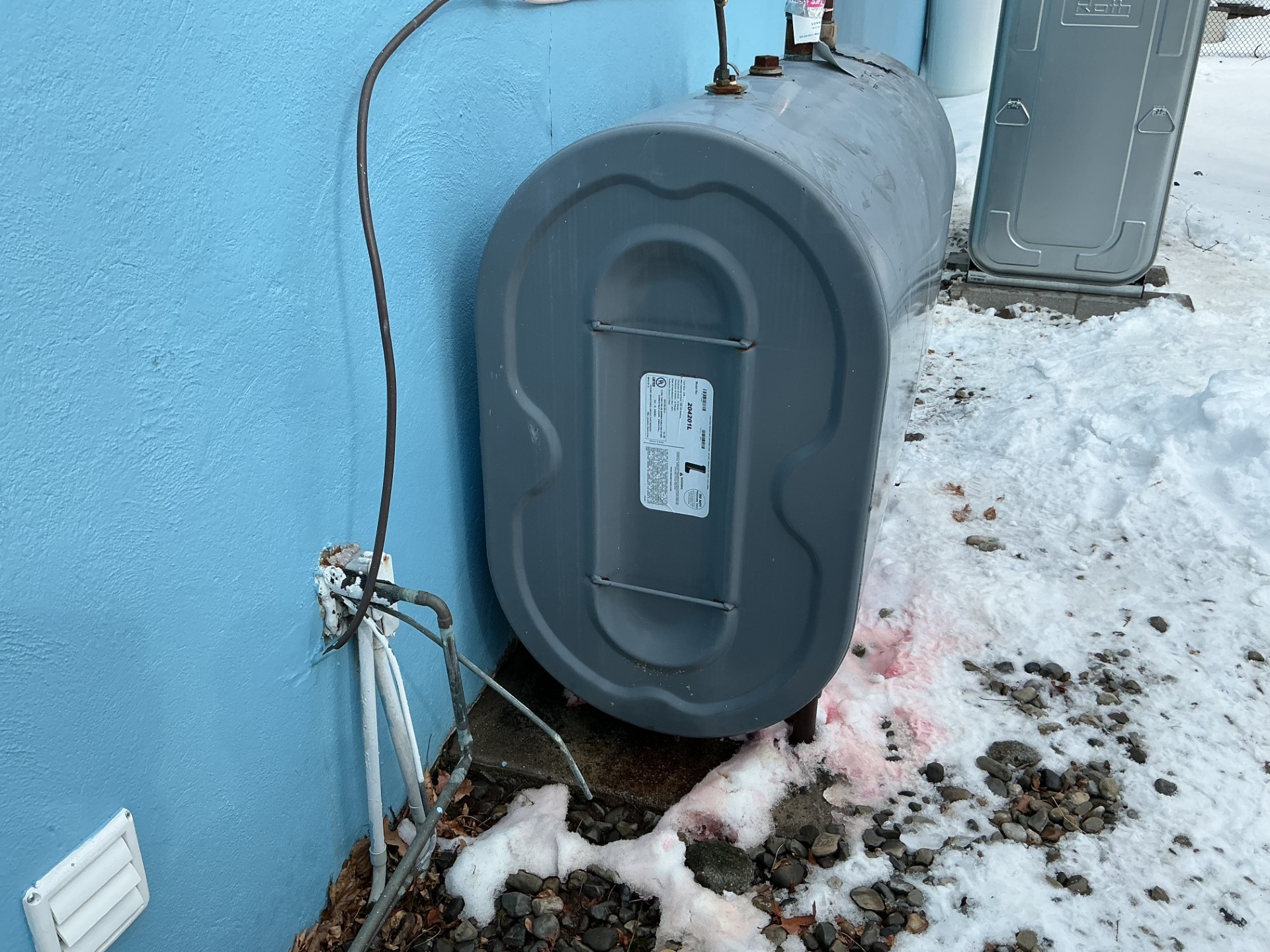
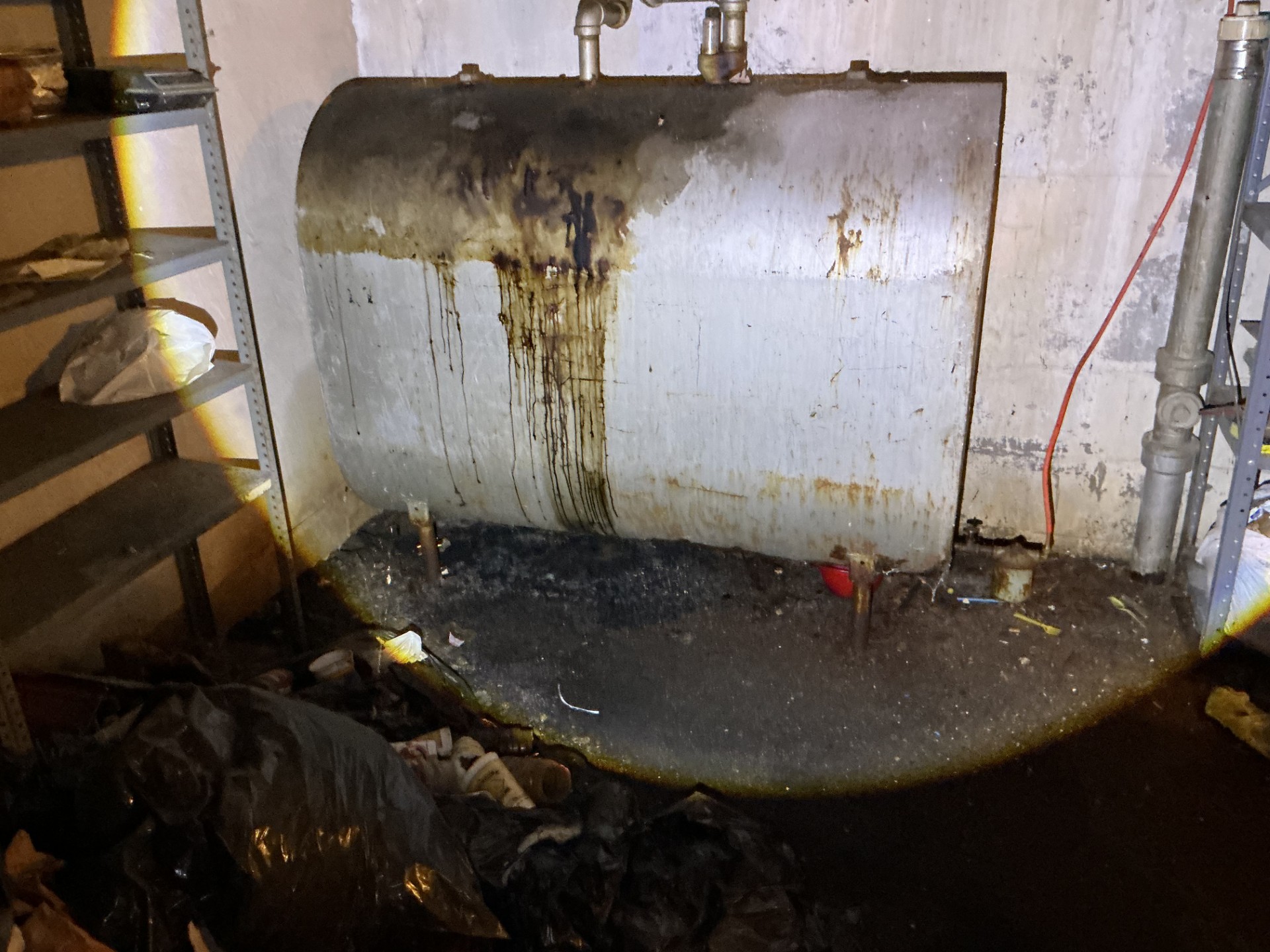
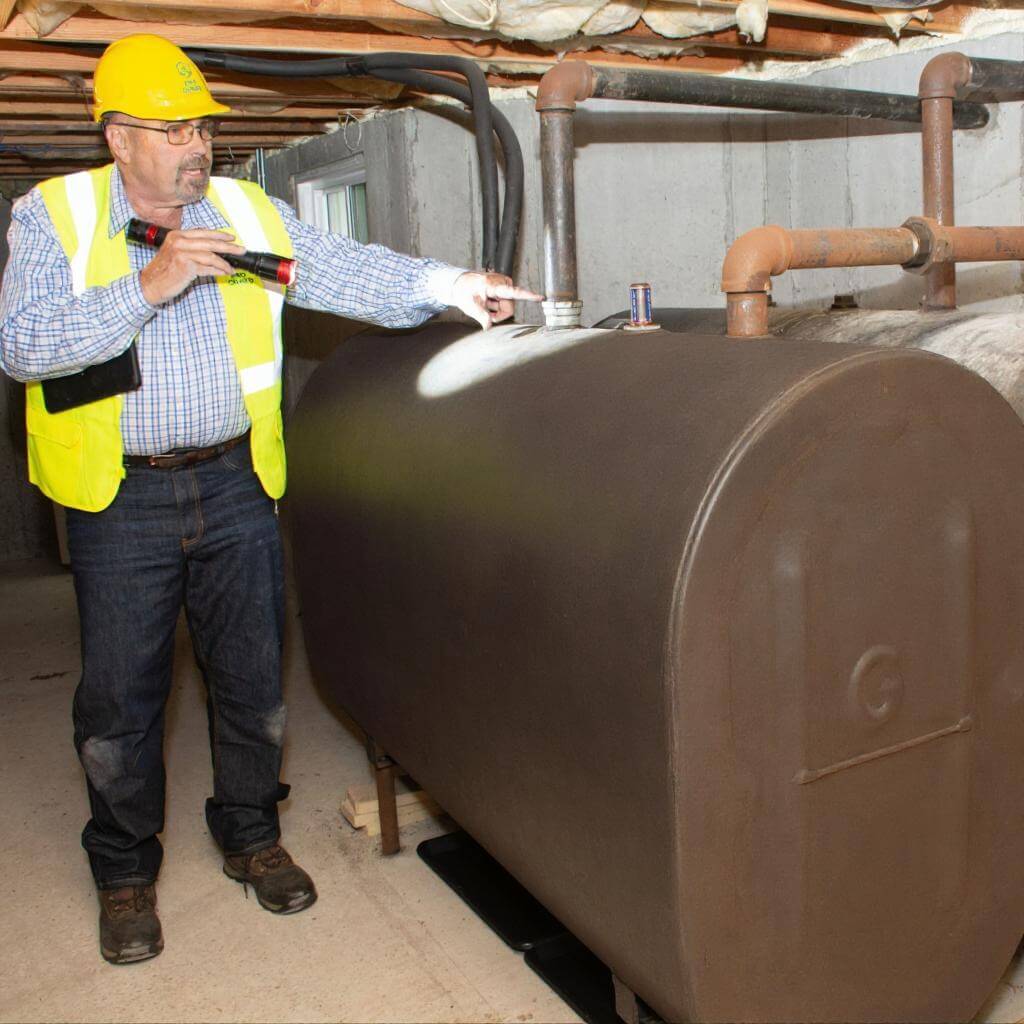
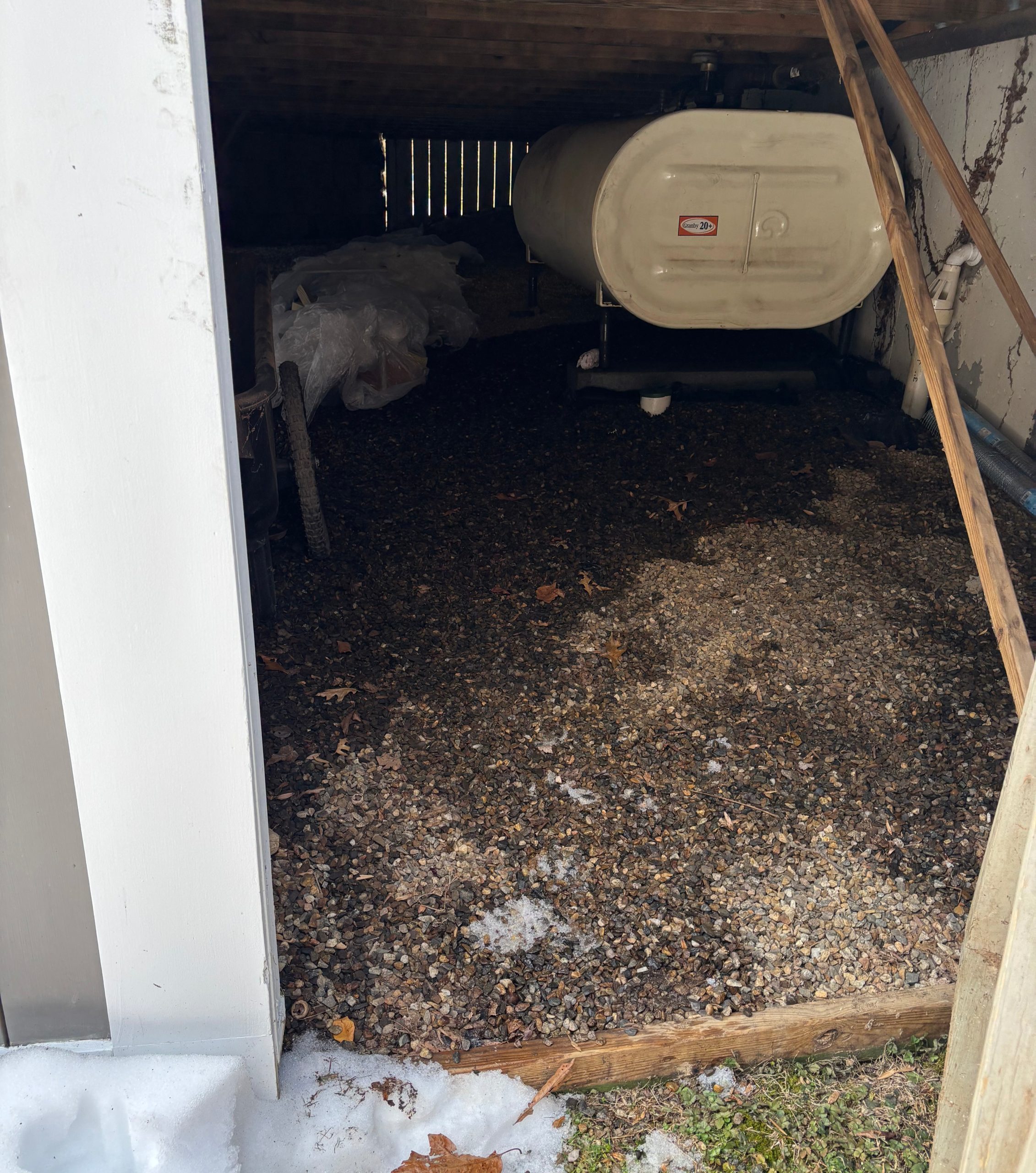
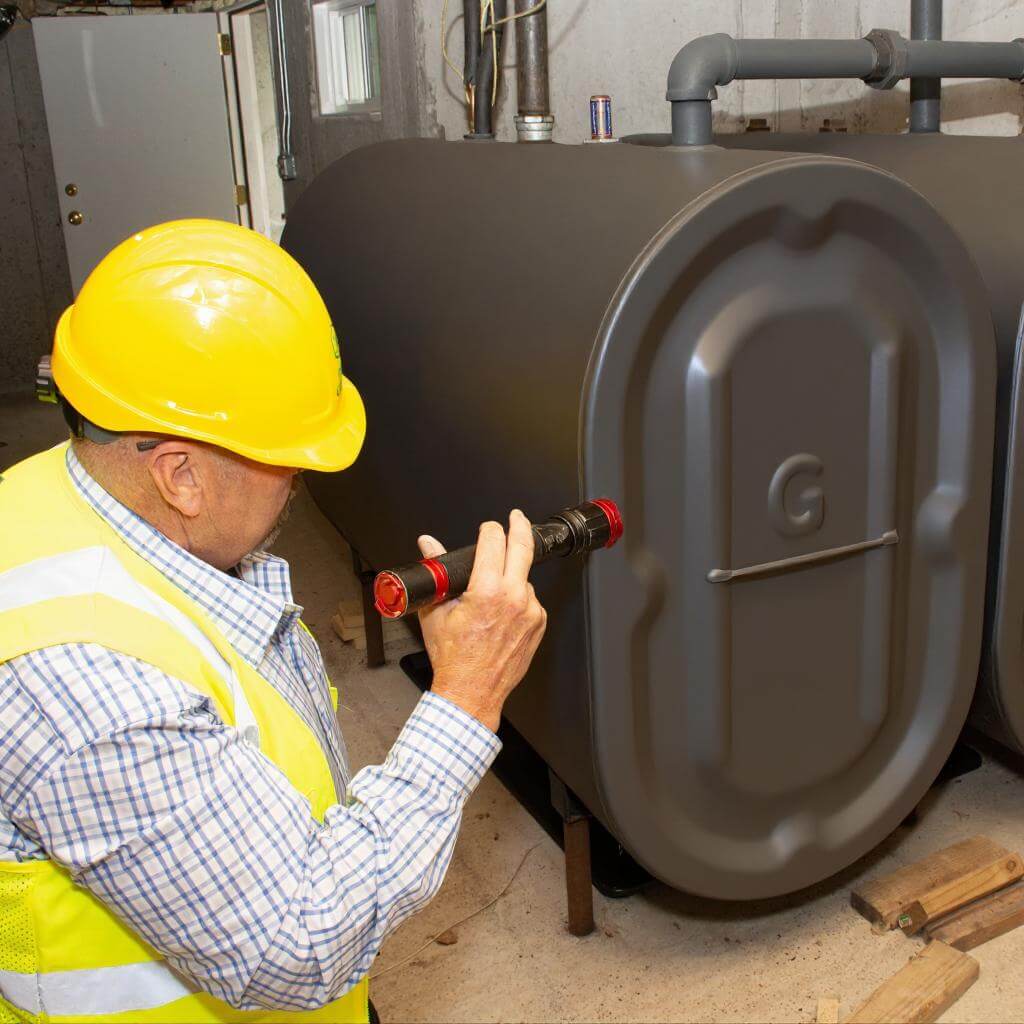
If a dishwasher or washing machine fails, you can likely live with it for some time. But if an essential system such as a septic tank or oil tank fails, you’ll not be able to flush your toilets, take a shower, wash your hands, heat your home, etc. Additionally, there could be unforeseen environmental consequences too if these are underground. These systems require urgent responses, and costs can escalate.