Are septic tanks bad for the environment?
When functioning properly, septic systems are an efficient and eco-friendly way to treat household wastewater in areas not connected to municipal sewer systems. However, when these systems fail – due to poor maintenance, age, or improper design – the consequences can be severe; not just costing homeowners tens of thousands of dollars, but impacting the environment as well.
What Is A Septic System, And How Does It Work?
So are septic tanks bad for the environment? Before we delve into that question, we need to understand what a septic system is, and how it works.
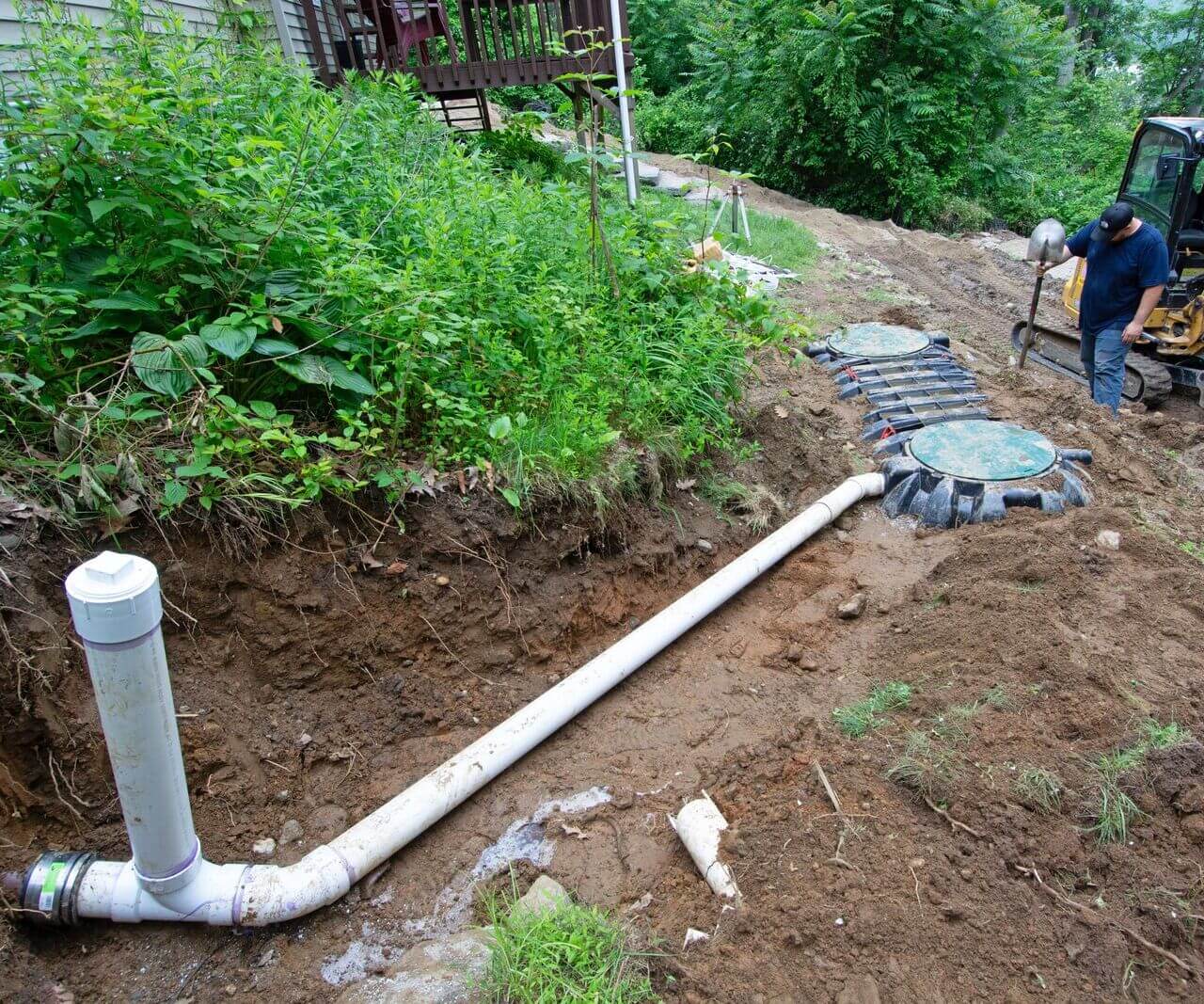
A septic system consists of a septic tank and a drain field (or leach field). Wastewater flows from a home into the tank, where solids settle to the bottom and scum floats to the top. The middle layer of partially treated liquid then drains into the leach field, where it is further purified by soil microbes before reaching groundwater.
When any part of this process is disrupted – whether by overflow, blockages, or leakage – untreated or partially treated sewage can escape the system and wreak havoc on surrounding ecosystems as well as the home.
So, Are Septic Tanks Bad For The Environment?
Here are ways a faulty septic system might cause harm to the environment –
1. Water Pollution
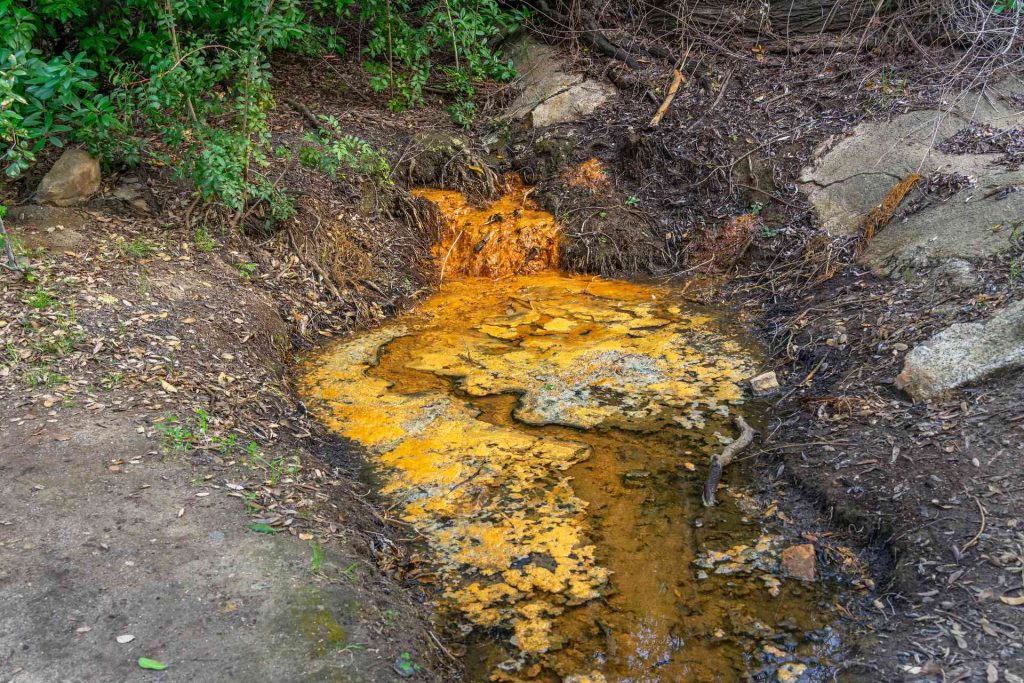
One of the most immediate and harmful effects of septic system failure is the contamination of nearby water sources. Leaking systems can release pathogens, nitrates, phosphates, and other harmful substances directly into groundwater, streams, rivers, or lakes.
- Groundwater Contamination: Many communities rely on groundwater for drinking water. A failed septic system can introduce E. coli, Giardia, and other disease-causing organisms into the water supply, posing serious health risks to humans and animals.
- Surface Water Contamination: Septic leaks that reach lakes or rivers can trigger algal blooms due to the high nutrient content (especially nitrogen and phosphorus). These blooms deplete oxygen in the water, killing fish and aquatic life, and in some cases, produce toxins harmful to humans and wildlife.
2. Soil Degradation
Soils are natural filters, but they have their limits. When a septic system releases excessive waste into the soil – especially through a clogged or saturated drain field – the ground can become oversaturated with pollutants. This reduces the soil’s ability to filter contaminants effectively, and the result is a buildup of pathogens and chemicals that can persist for years, disrupting local flora and fauna.
3. Ecosystem Imbalance
Ecosystems depend on a delicate balance of nutrients and microbial life. Excess nutrients from septic runoff can throw this balance off, fostering the growth of invasive species or harmful bacteria at the expense of native organisms.
For example, in coastal regions, septic system failures have been linked to declining populations of shellfish and other marine life due to polluted runoff. In freshwater systems, nutrient overloads can drive eutrophication – a process that chokes aquatic life and collapses entire food webs.
4. Air Quality Concerns
While less immediately obvious, failed septic systems can also affect air quality. Anaerobic decomposition emits methane and hydrogen sulfide – foul-smelling, and in high concentrations, potentially harmful and potent greenhouse gases. It can also be a major embarrassment if the smell is coming from your own home’s septic system.
5. Climate Change and Rising Water Tables
The question of are septic tanks bad for the environment often depends on the weather. As heavy rainfall events become more frequent and sea levels rise, many septic systems are being “pushed” from below. When the groundwater table rises too high, the soil in your drain field stays saturated. This prevents the natural aerobic bacteria from breaking down pathogens. Instead of being purified, wastewater can “short-circuit” directly into the groundwater, turning a functioning system into a major pollution source overnight.
6. The “Silent” Pollutants: Medications and Microplastics
While we often focus on “waste,” modern households introduce synthetic threats that septic systems weren’t originally designed to handle.
- Pharmaceuticals: Birth control, antibiotics, and heart medications often pass through the body and the tank, eventually entering local ecosystems where they can disrupt the reproductive cycles of fish and frogs.
- Microplastics: Every time you wash synthetic clothing (like polyester or nylon), thousands of tiny plastic fibers enter your septic tank. These fibers don’t break down; they either clog your drain field or migrate into the surrounding soil, contributing to long-term land degradation.
We now know 6 different ways a septic system might end up being a danger to the environment. Let’s now move onto understanding the signs your septic system is adversely impacting the environment.
Signs Your Septic System is Impacting the Environment
Sometimes the damage isn’t visible in your house, but it’s happening in your yard. Keep an eye out for these “Environmental Red Flags”:
- The “Emerald Green” Trap: If the grass over your drain field is significantly greener or faster-growing than the rest of your lawn, it’s a sign that the soil is being overloaded with nitrogen (untreated waste).
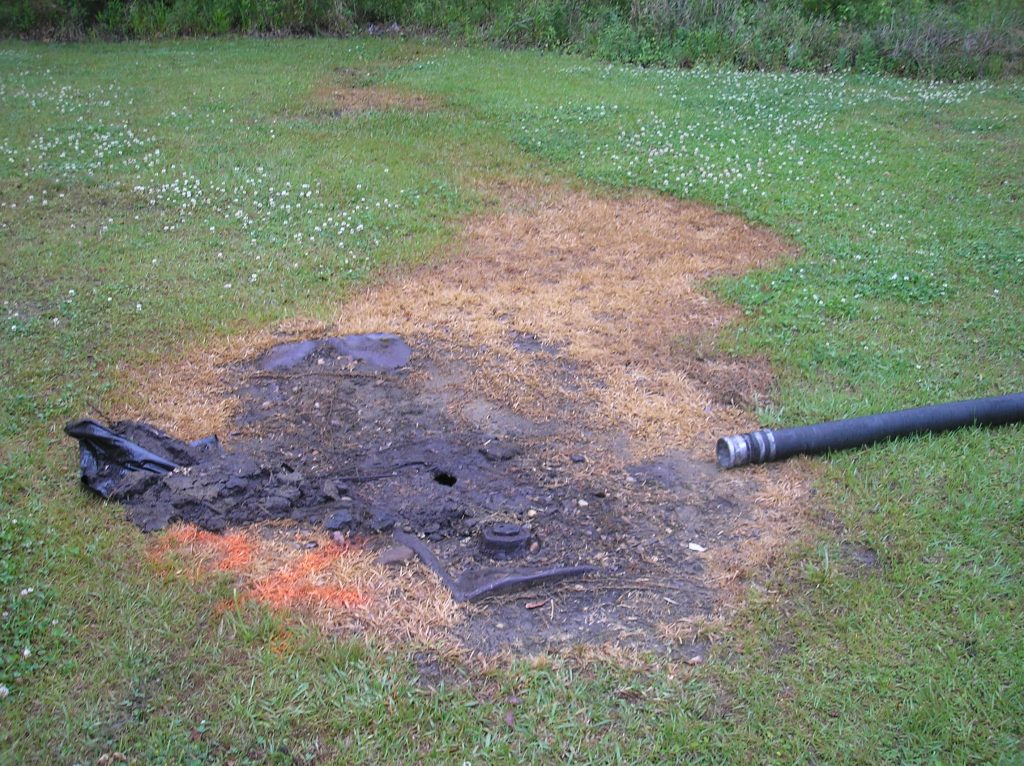
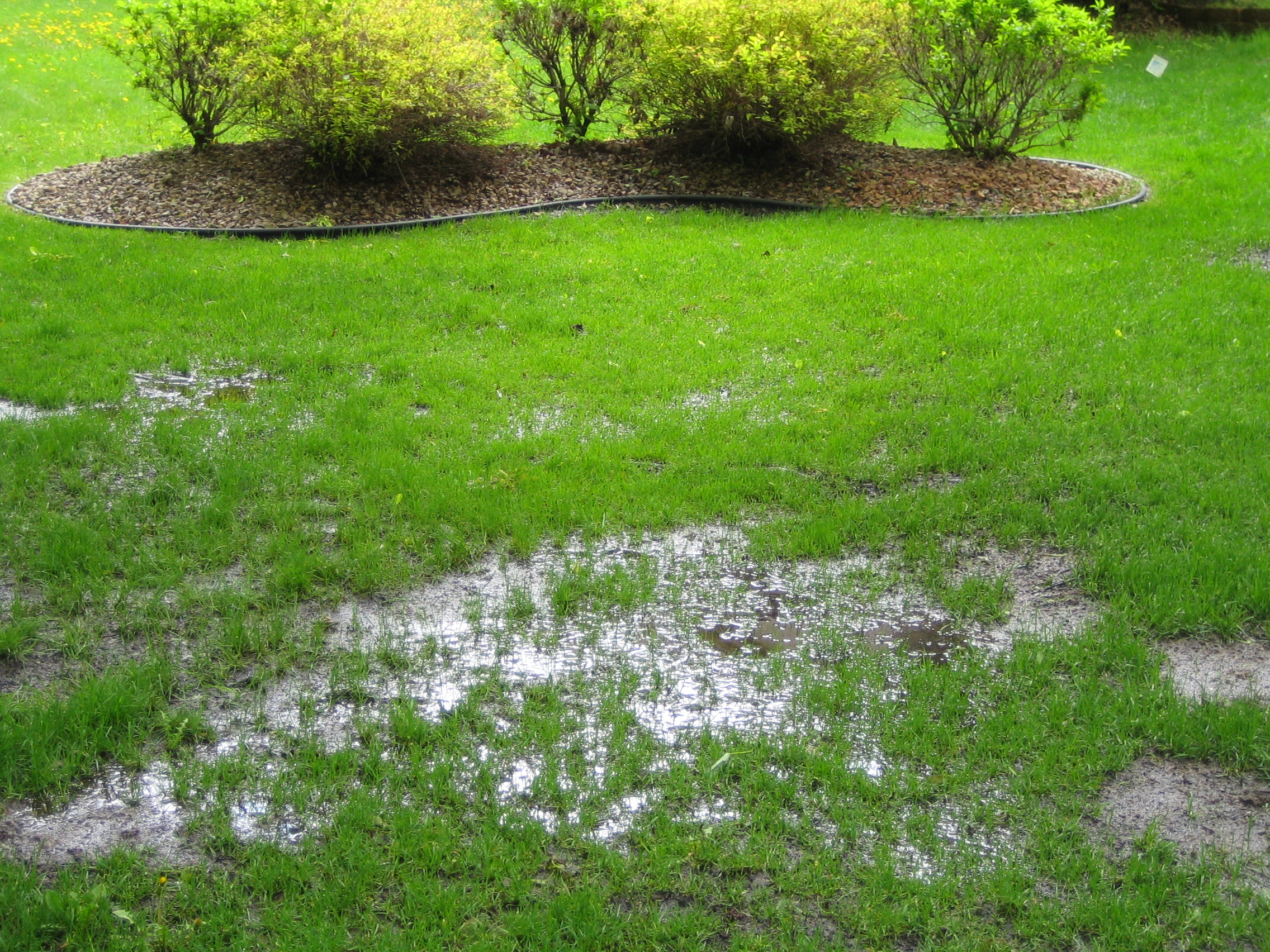
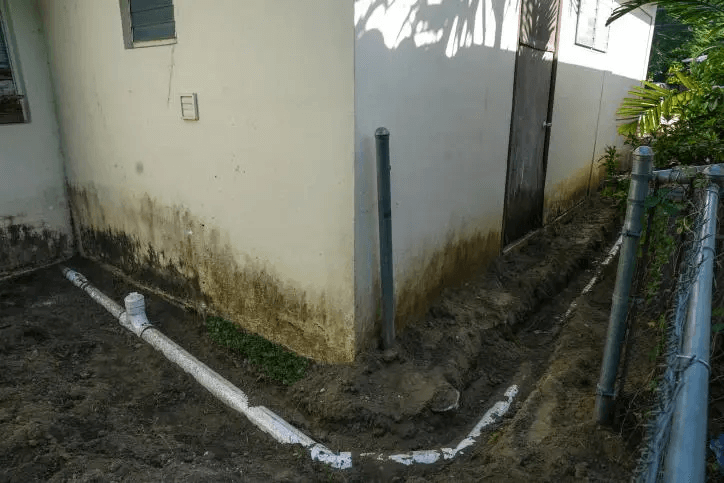
- Soggy Spots: Spongy or wet soil in your yard when it hasn’t rained is a sign that the system is failing to filter liquid properly.
- Increased Algae: If you live near water and notice a sudden surge in green “slime” or algae along your shoreline, your septic system might be leaking nutrients into the lake.
What Can Be Done?
Prevention is key. To avoid the environmental hazards of septic system failures, homeowners and communities should:
- Consider a Septic System Coverage Plan – the most convenient and cost-effective way to ensure coverage if anything goes wrong (up to $25,000), with access to ProGuard’s vetted network of septic specialists.
- Schedule regular inspections and pumping. The frequency of pumping will depend on the number of people in your home and how much waste they produce.
- Avoid flushing non-biodegradable materials or toxic chemicals. This includes antibiotic medicines!
- Schedule regular pumping.
- Only use the food disposal unit for small amounts of soft organic waste. If something is solid enough to go into the trash, then the trash is where it should go.
- Protect the drain field by avoiding construction or heavy traffic on top of it. Nothing heavier than a lawnmower.
- Use water efficiently to reduce the load on the system.
- Consider purchasing a Septic System Protection Plan from proguardplans.com. The sooner a system is repaired, the less the impact will be on the environment
On a larger scale, policymakers can implement stricter regulations, provide incentives for septic upgrades, and educate the public about responsible wastewater management.
Final Thoughts
So are septic tanks bad for the environment?
Septic systems are often out of sight and out of mind – until something goes wrong. But the environmental impact of a failing septic system can ripple far beyond your backyard. Protecting your septic system is not just a matter of home maintenance – it’s an essential step toward safeguarding the environment and public health.
To see how different levels of protection compare, visit our Coverage Plans page and find the plan that’s right for your home.