When septic systems fail, the leach field is usually the reason. Many homeowners focus on the tank because that is the part they know exists, but in practice the leach field does most of the work. It is also the most fragile and expensive part of the system.
Leach field failure is especially frustrating because it often happens quietly. By the time signs appear on the surface, the problem underground is usually advanced. This article explains how leach fields fail, how to recognize the warning signs, and why fixing the problem can be costly.
What the Leach Field Actually Does
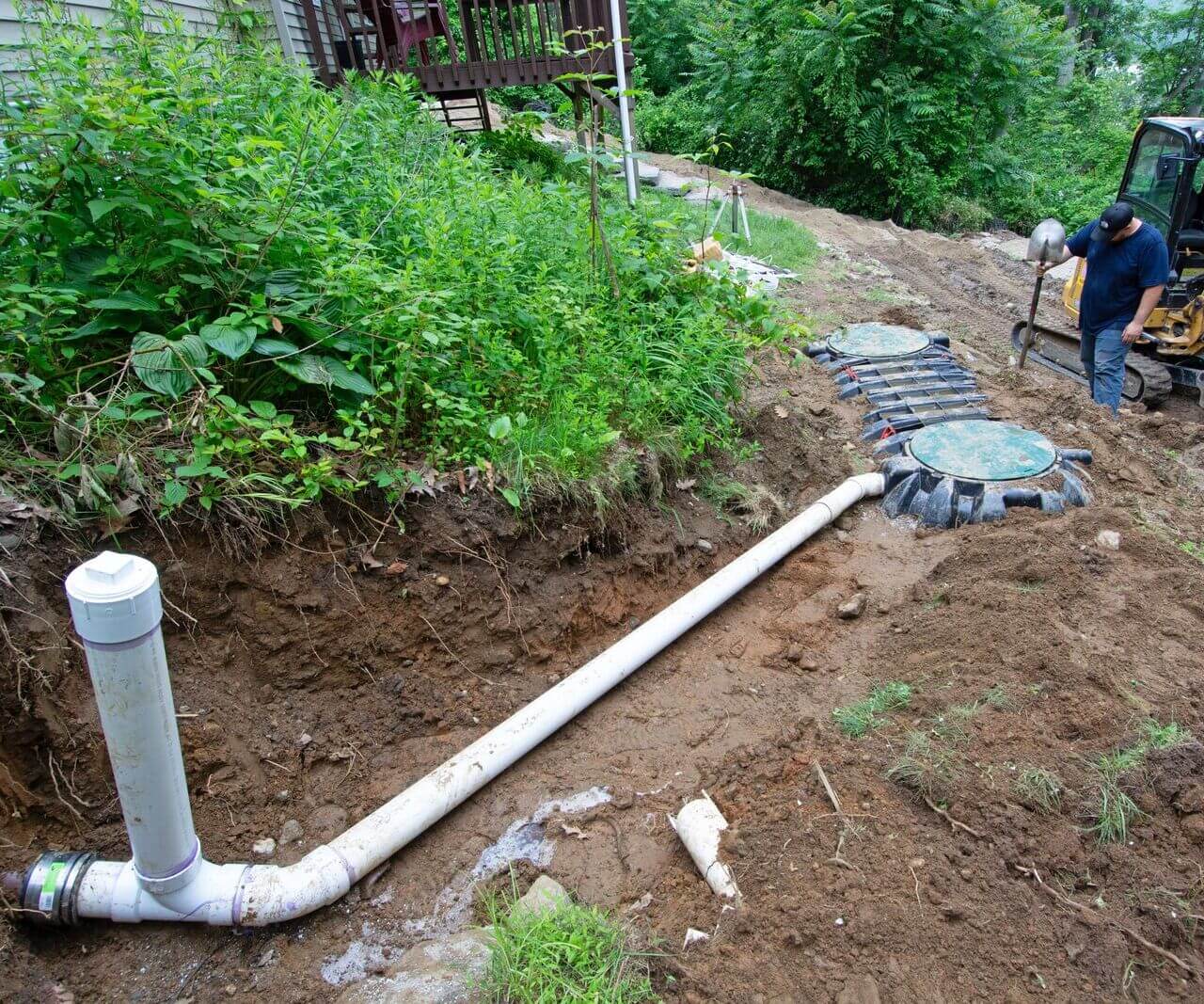
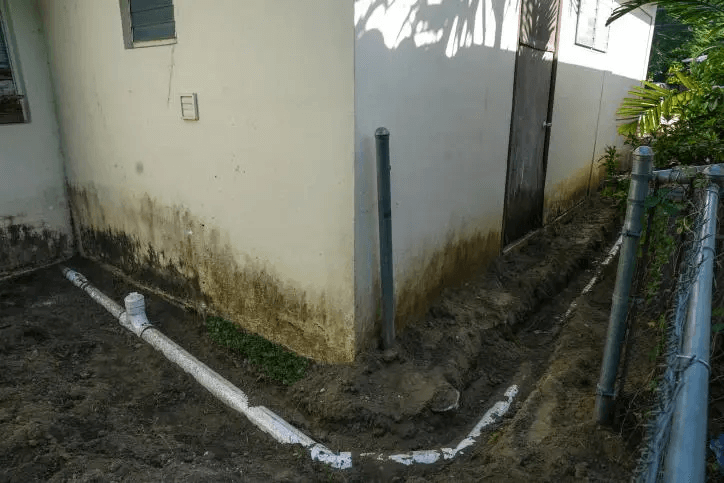
After wastewater leaves the septic tank, it flows into the leach field via a distribution box, pipe and trench system. This network of perforated pipes spreads wastewater into the surrounding soil, where bacteria and natural filtration processes finish treating it before gravity takes it to the groundwater below.
A healthy leach field depends on one thing above all else: soil that can absorb water at the right rate. If the soil absorbs too slowly, wastewater backs up. If it absorbs too quickly, contaminants may not be properly treated and will be released into the groundwater. When that balance breaks down, failure follows.
Why Leach Fields Fail More Often Than Tanks
Septic tanks are relatively simple structures. Leach fields interact constantly with soil, water, and biological activity. Over time, this interaction takes a toll.
Most leach field failures are not sudden events. They are the result of gradual clogging, saturation, or soil breakdown that develops over many years. Once the soil around the pipes loses its ability to absorb wastewater, there is no easy reset button.
This is why pumping the tank alone does not fix a failed leach field, and thus why leach field failures are more common.
Common Causes of Leach Field Failure
Leach field failure usually comes down to a few core issues acting alone or together.
One major cause is solid waste reaching the drain field. When septic tanks are not pumped regularly, solids escape into the leach field and clog the surrounding soil. This damage is often permanent.
Another common cause is water overload. Excessive water use, leaking fixtures, or heavy rainfall can overwhelm the field and keep it saturated for long periods. Saturated soil cannot absorb additional wastewater.
Soil compaction is another factor homeowners rarely consider. Driving vehicles, building structures, or placing heavy equipment over a drain field compresses soil and reduces its ability to absorb water.
Changes in groundwater levels also play a role. Rising groundwater can turn a once-functional drain field into a flooded one, especially in low-lying areas.
Early Symptoms Homeowners Often Miss
Leach field failure usually starts subtly. The earliest signs are often easy to ignore or explain away.
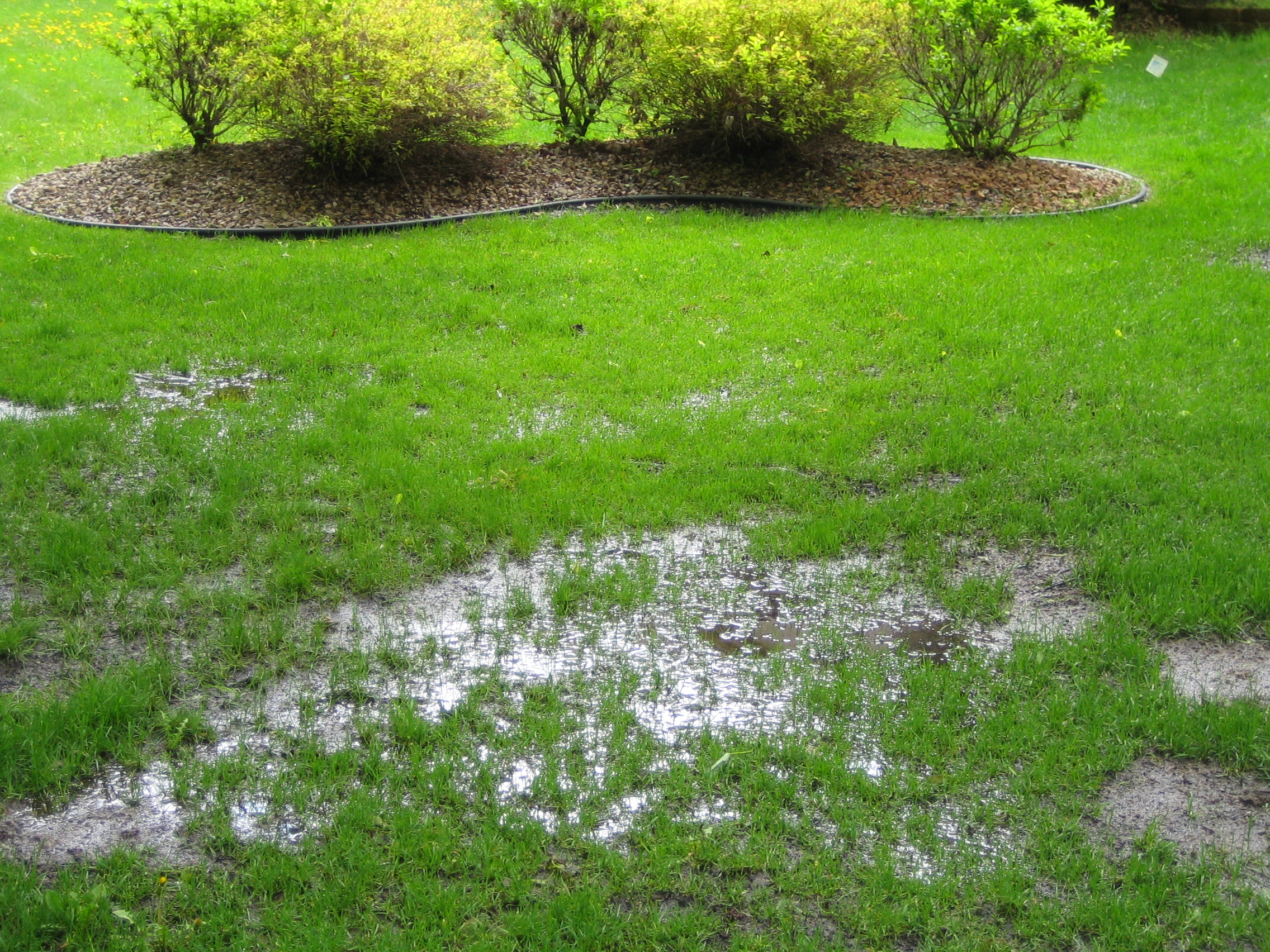
Drains throughout the home may begin to slow. Toilets may flush inconsistently. Yard areas above the drain field may stay damp longer after rain or feel soft underfoot.
Grass over the drain field may grow faster or appear greener than surrounding areas. While this can seem harmless, it often means wastewater is reaching the surface instead of being treated underground.
At this stage, the system is already struggling, even if there are no backups yet.
Advanced Signs of Leach Field Failure
As failure progresses, symptoms become harder to ignore.
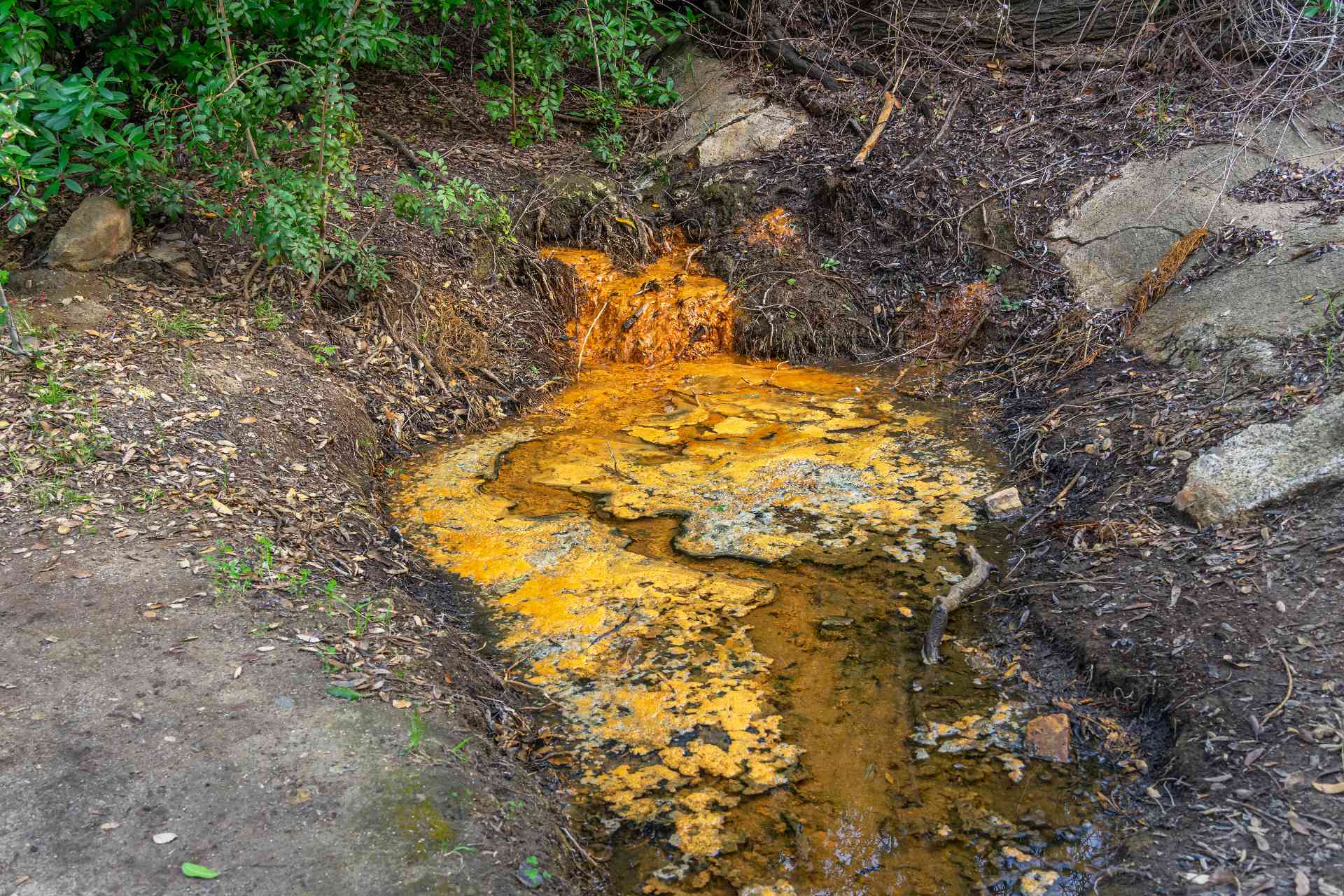
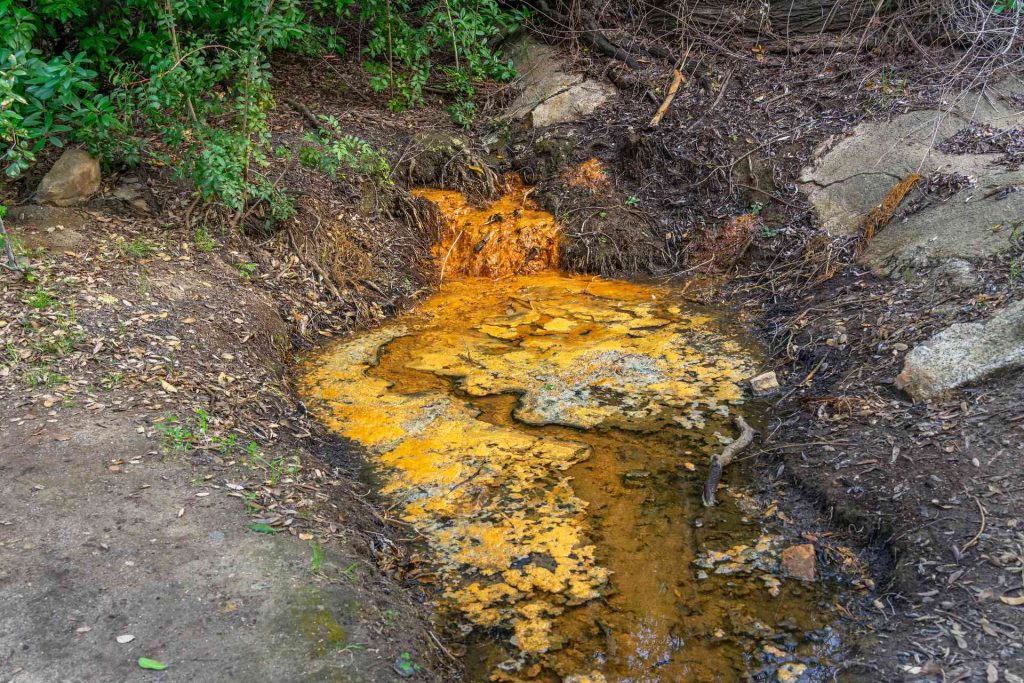
Standing water or soggy patches may appear above the leach field. Sewage odors may be noticeable outdoors or even inside the home. In more severe cases, wastewater can back up into sinks, tubs, showers or toilets.
Once these signs appear, the leach field has usually lost most of its ability to function properly.
Why Leach Field Failure Is Hard to Reverse
Unlike mechanical parts, soil does not heal easily. Once the soil around drain lines becomes clogged with organic material or compacted, restoring its absorption capacity is extremely difficult.
Temporary measures may relieve symptoms briefly, but they rarely address the underlying problem. This is why leach field failure often leads to replacement rather than repair.
What Leach Field Failure Costs Homeowners
The cost of addressing leach field failure varies widely, but it is often one of the most expensive septic-related problems a homeowner can face.
In some cases, replacing the leach field alone is possible. In others, current regulations require upgrading or replacing the entire septic system. Costs increase further if a new location must be approved or if soil conditions require an engineered solution.
Because leach fields involve excavation, heavy equipment, and regulatory oversight, costs can escalate quickly, especially when space is limited.
How Regulations Affect Leach Field Replacement
Leach field replacements are governed by local health departments. Systems installed decades ago may not meet today’s standards, even if they functioned for years.
When a leach field fails, homeowners are often required to bring the replacement up to current code. This can mean larger fields, different system designs, or additional treatment components, all of which increase cost.
Why Insurance Rarely Helps
Leach field failure is almost always excluded from homeowners insurance. The failure is considered gradual and related to soil conditions, wear and tear, over usage and maintenance, not a sudden accidental event (or “pearl”).
Even when insurance covers interior damage from backups, it usually does not cover replacing the leach field itself. From an insurance standpoint, leach field failure is a long-term ownership issue.
The Real Takeaway
Leach field failure is the most common and costly form of septic system failure. It develops slowly, hides underground, and often reaches an advanced stage before homeowners realize what is happening.
Once a leach field fails, options are limited and costs are significant. Understanding how and why leach fields fail does not prevent every problem, but it does help homeowners recognize early warning signs and make informed decisions before failure becomes unavoidable.