Oil tank cleanup is one of those problems homeowners rarely plan for and almost never expect to be cheap. A tank can sit quietly for decades without any visible issues, and then one day a test, inspection, or small smell uncovers a leak. From that moment on, the question becomes urgent and unavoidable: how much is oil tank remediation going to cost?
The honest answer is that oil tank cleanup costs vary widely, but they are often far higher than homeowners anticipate. Cleanup is not just about fixing a tank. It is about removing contamination and satisfying environmental and regulatory requirements, which is where costs escalate quickly. Oil tank remediation cost can range anywhere from $5,000 to well over $100,000.
Why Oil Tank Cleanup Is Different From Other Home Repairs
When something like a furnace or water heater fails, the solution is usually straightforward: remove the old unit and install a new one. Oil tank cleanup is different because once oil escapes into the environment, the problem is no longer contained.
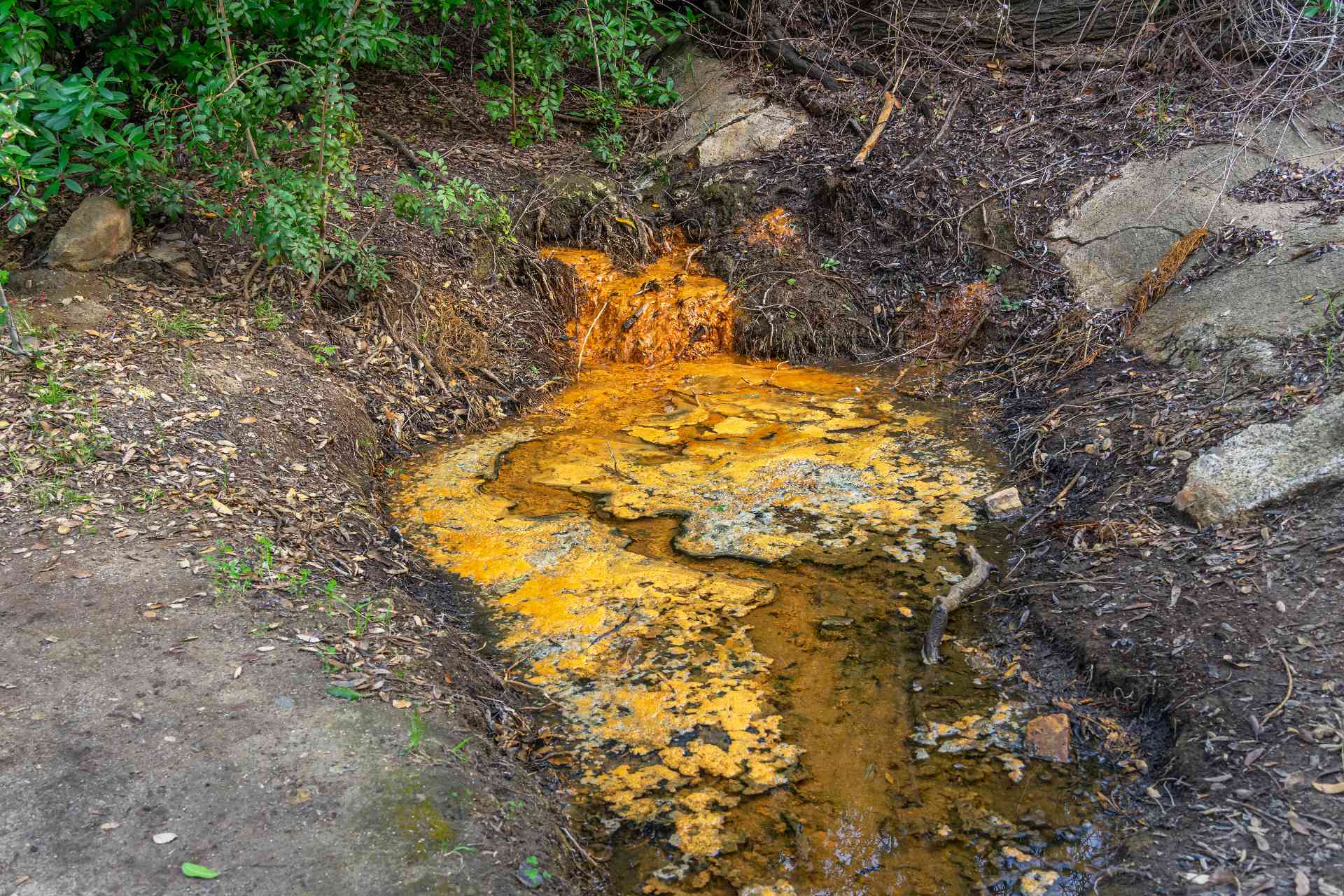
Heating oil can soak into soil, migrate through groundwater, and spread well beyond the original leak. Cleanup is not optional or cosmetic. It is about preventing environmental harm and, in many cases, meeting legal requirements.
That shift – from repair to remediation -is why costs climb so fast.
Typical Cost Ranges Homeowners Encounter
There is no single “average” oil tank cleanup cost, but homeowners commonly encounter costs ranging from several thousand dollars to well into six figures, depending on the situation.
Lower-end costs usually involve:
- Small leaks caught early
- Limited soil contamination
- Aboveground tanks
- Easy access for equipment
Higher-end costs are associated with:
- Long-term or undiscovered leaks
- Underground tanks
- Contamination that spreads beyond the tank area
- Groundwater involvement
- Regulatory oversight or third-party impacts
The difference between these scenarios can be dramatic, even for homes in the same neighborhood. That’s why oil tank remediation cost can vary so widely from one property to another.
What Oil Tank Cleanup Actually Involves
Many homeowners assume cleanup means removing a tank and replacing some soil. In reality, cleanup often includes multiple steps.
A typical cleanup process may involve:
- Testing soil and, in some cases, groundwater
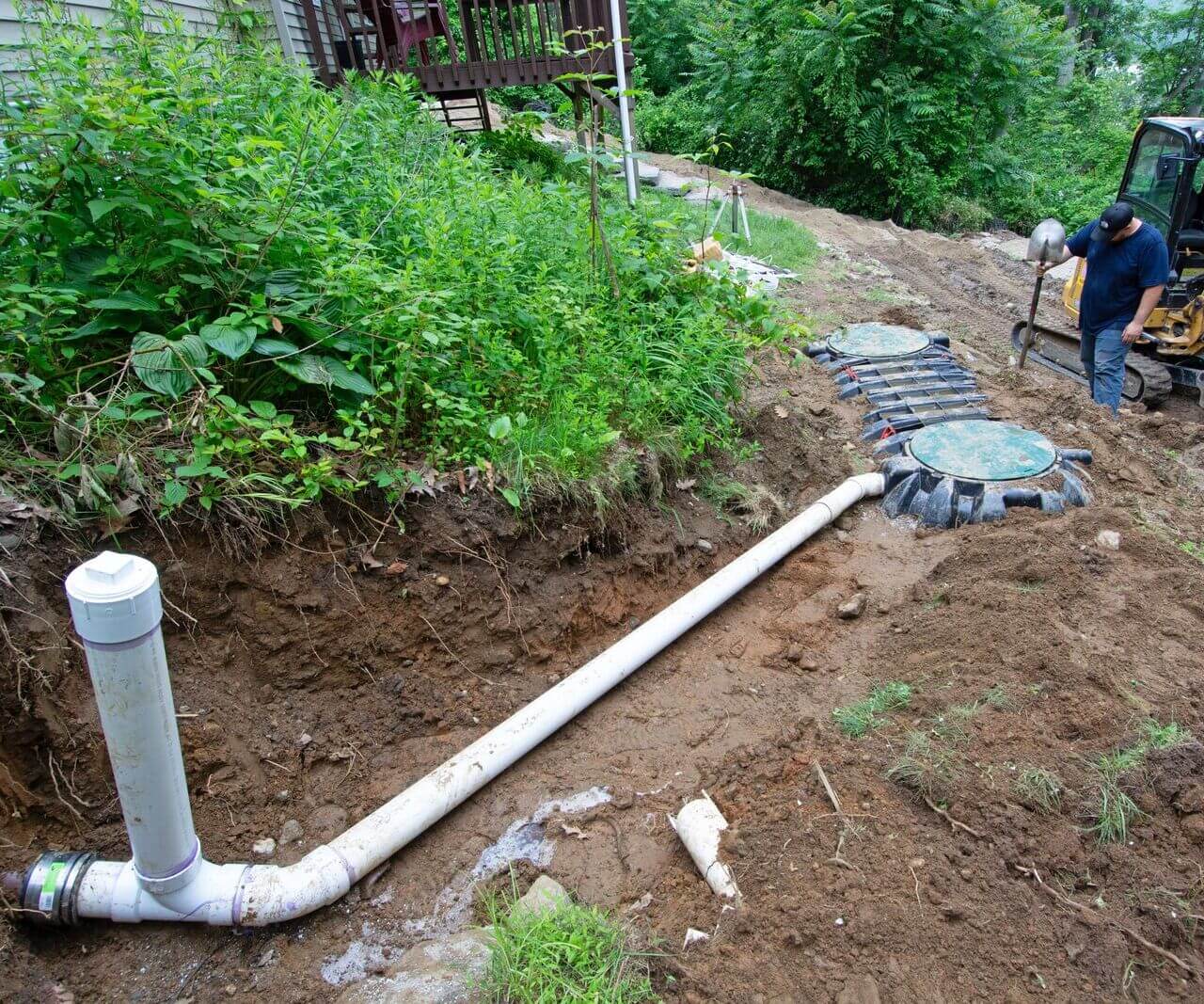
- Removing the oil tank
- Excavating contaminated soil
- Transporting and disposing of contaminated material
- Installing clean fill and restoring the site
- Follow-up testing to confirm contamination has been addressed
Each step adds cost, and the process can stretch over weeks or months.
Aboveground vs Underground Tank Cleanup Costs
Aboveground Tanks
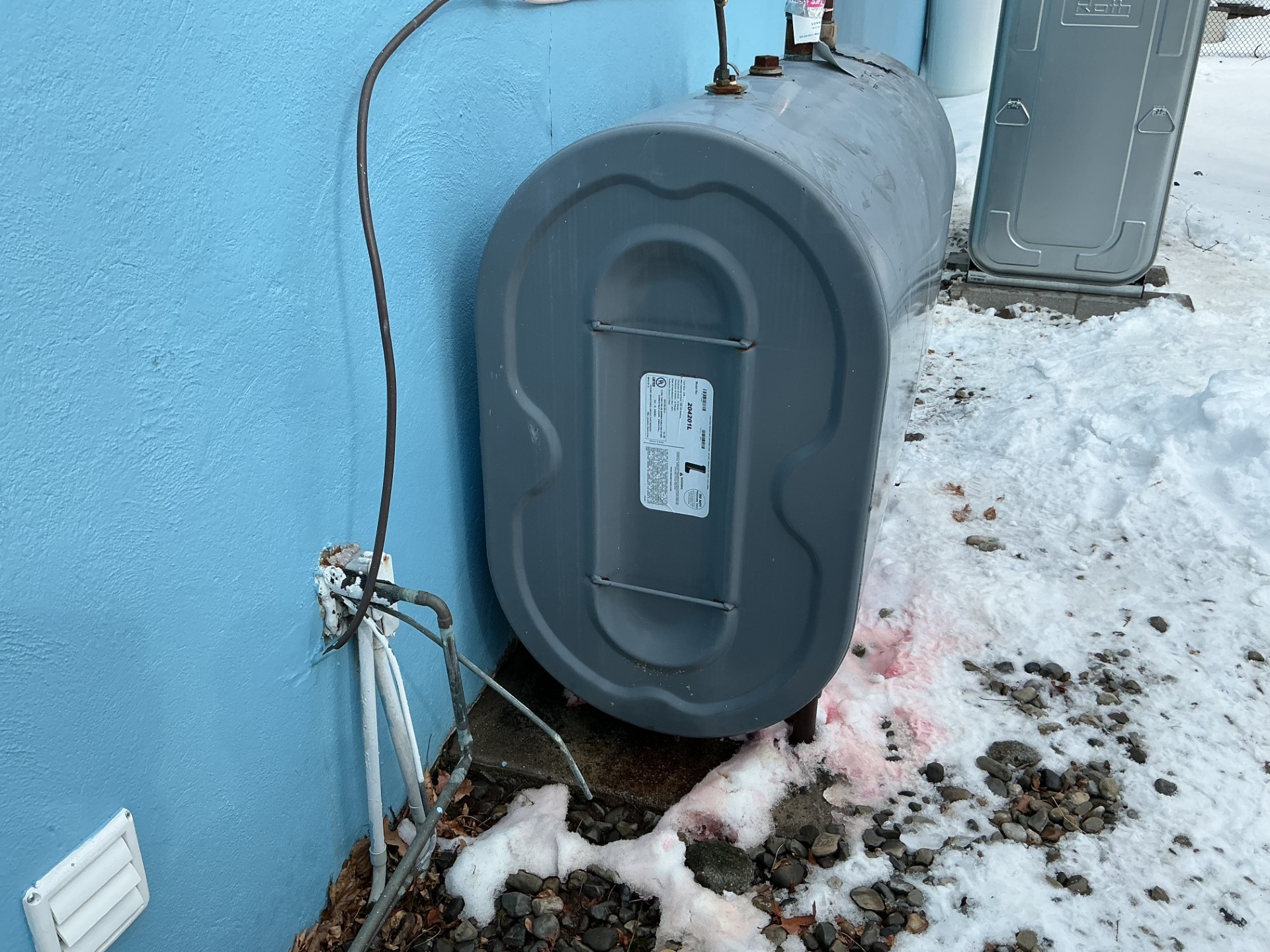
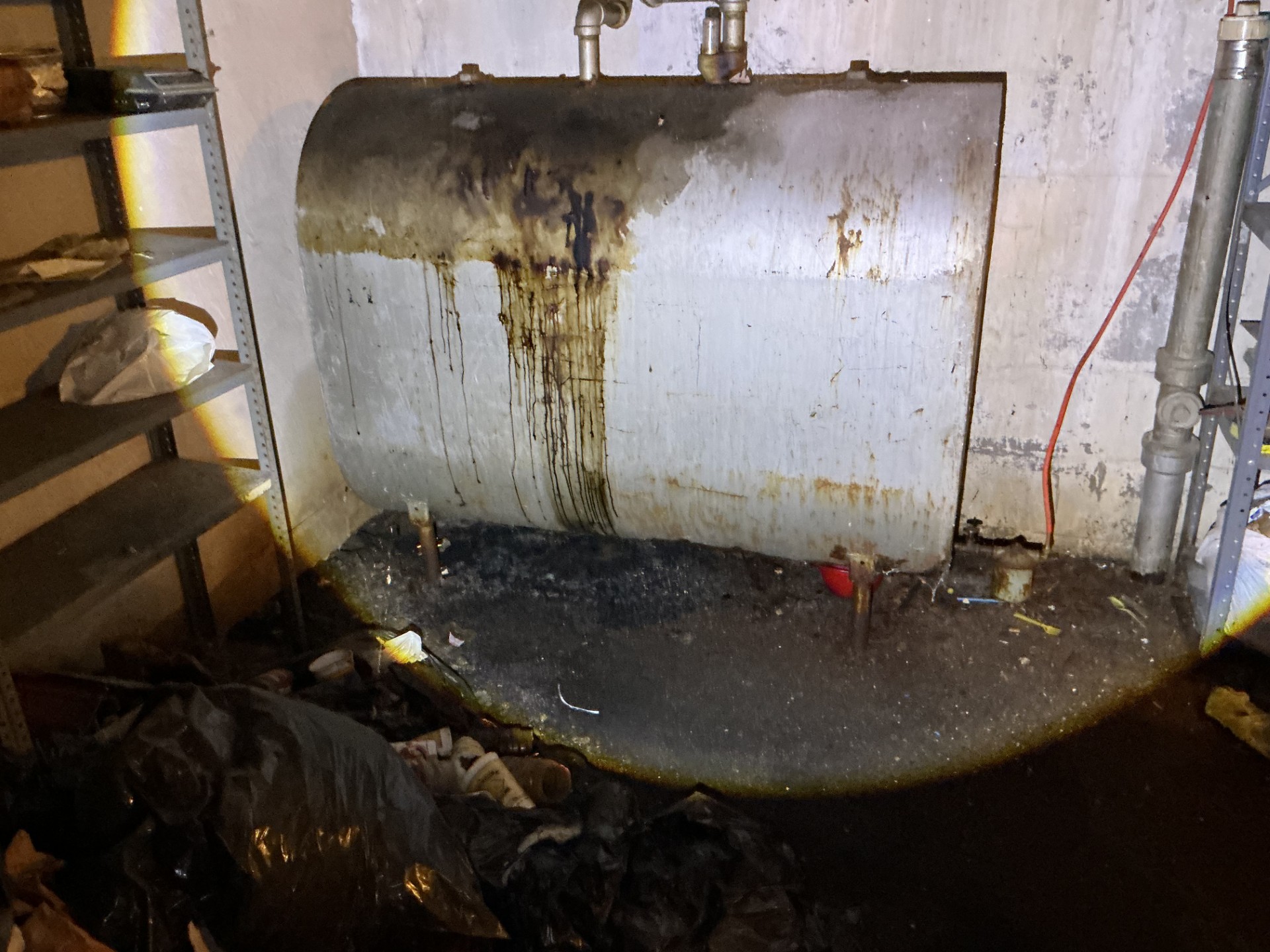
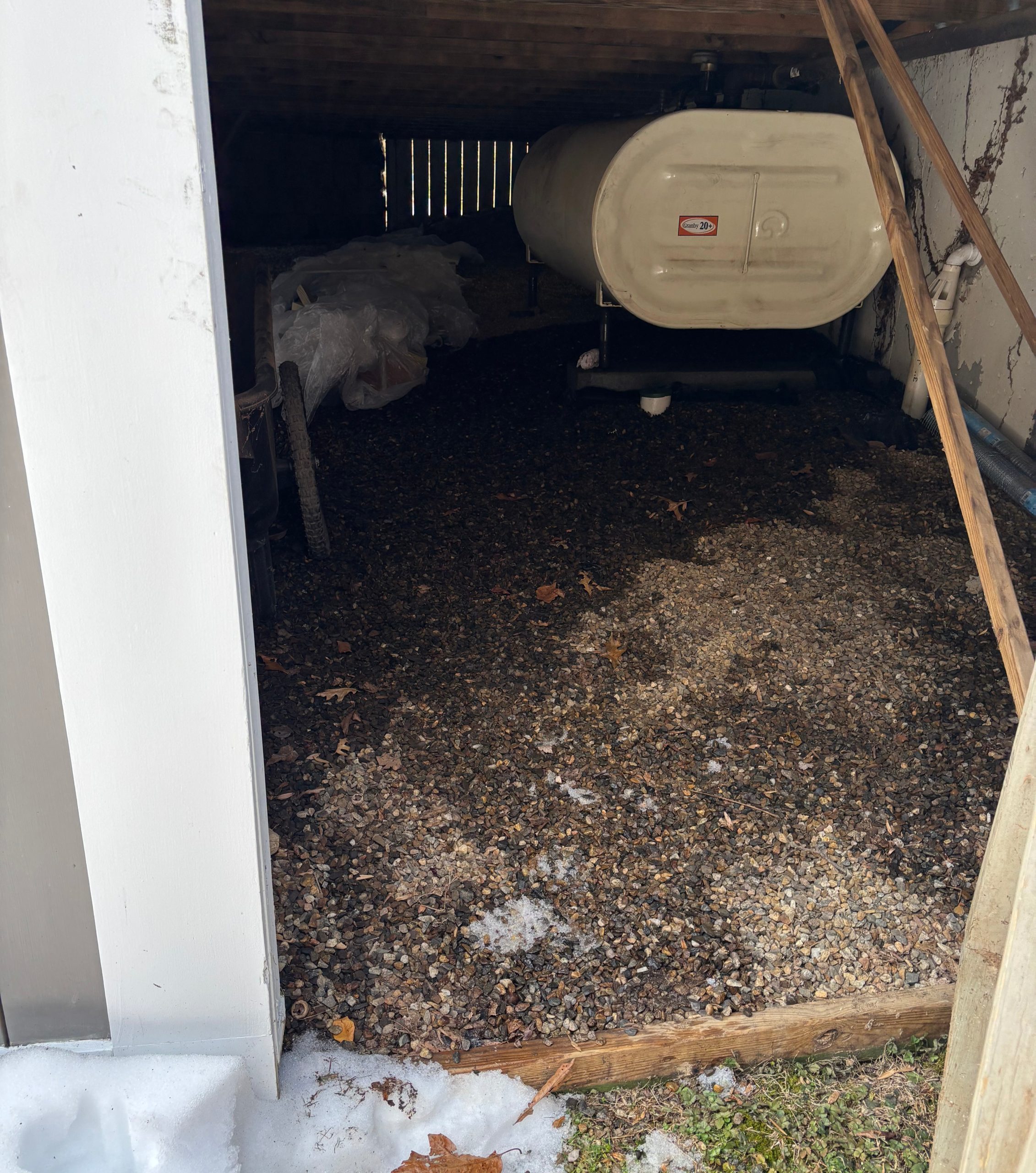
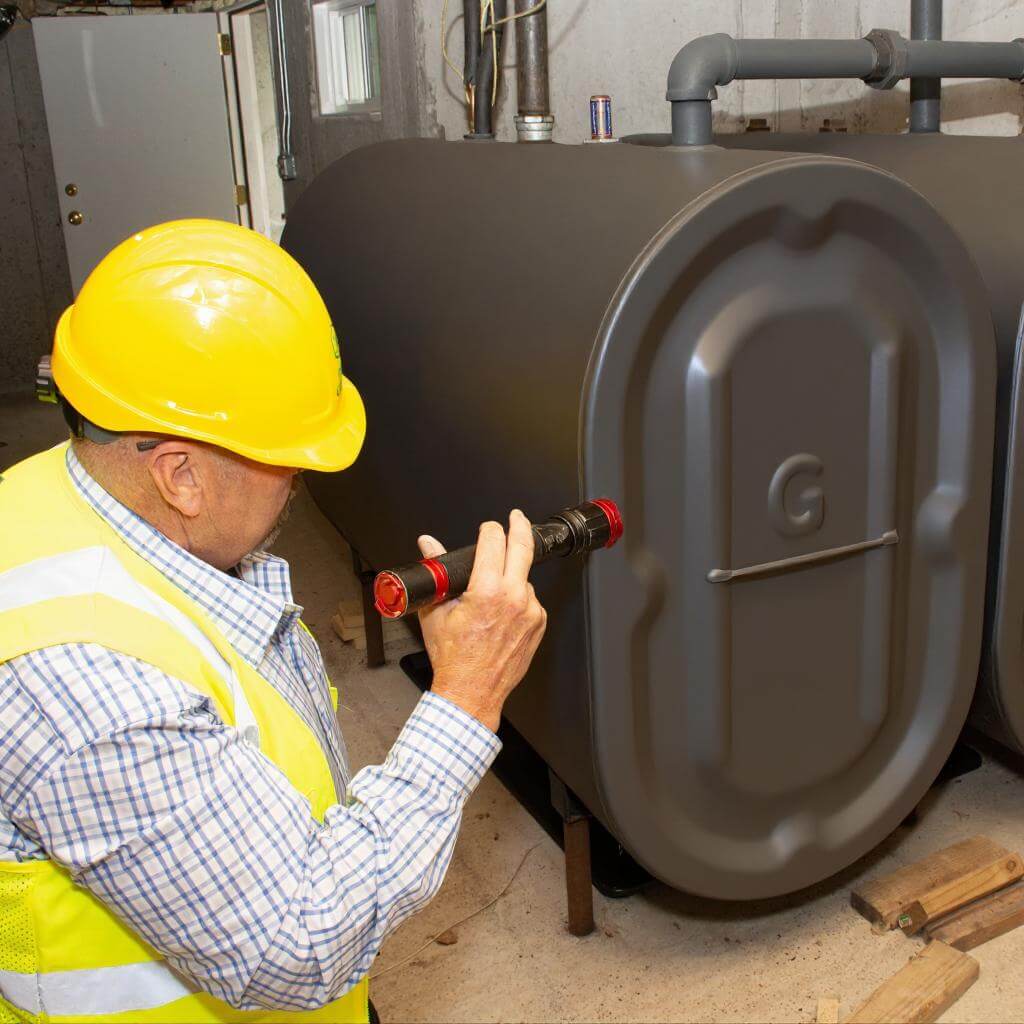
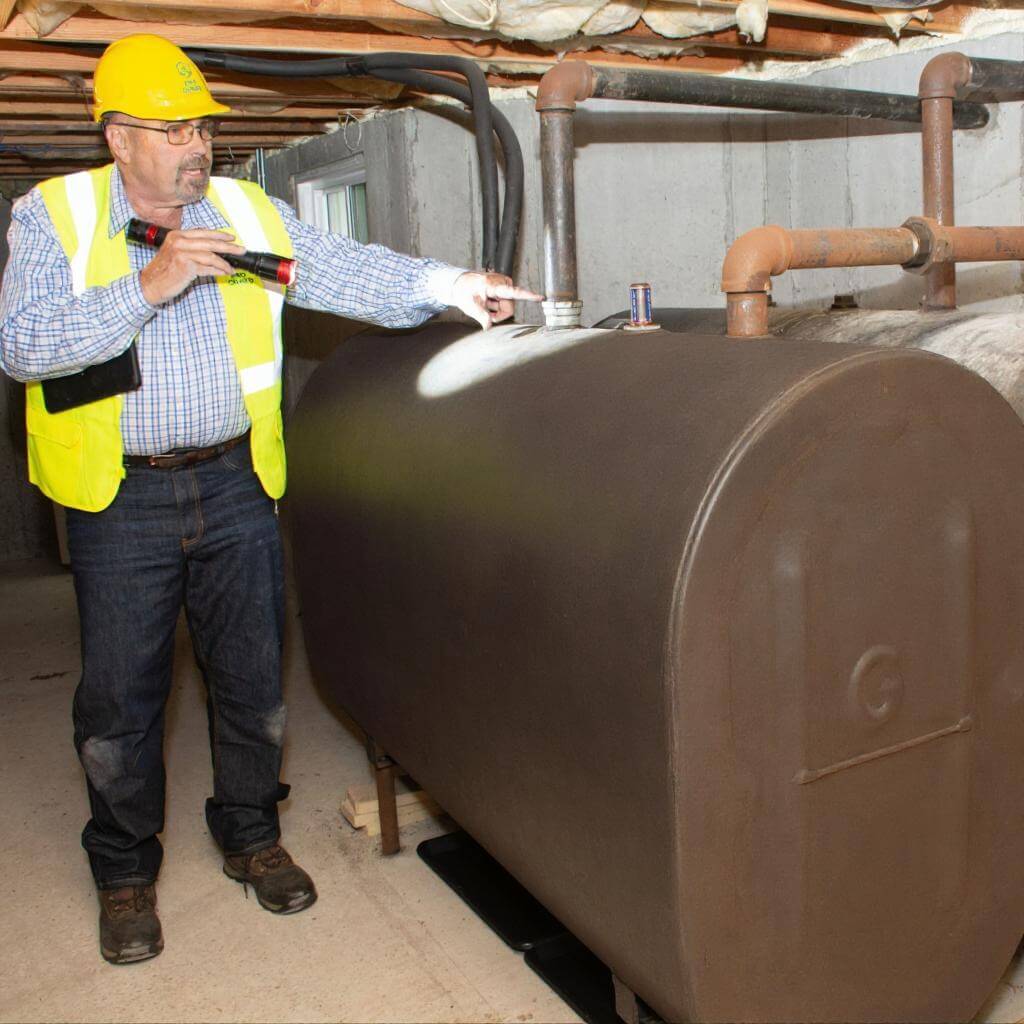
Cleanup for aboveground tanks is often less expensive because leaks are easier to detect and usually affect a smaller area. Contamination may be limited to the immediate surroundings, such as a basement floor or nearby soil.
That said, even aboveground leaks can be costly if oil migrates into soil beneath the structure or enters drainage pathways (e.g. sump pumps, etc.).
Underground Tanks
Underground tank cleanup is where costs escalate quickly. These tanks can leak for years without detection. By the time a problem is discovered, oil may have spread through soil or groundwater.
Cleanup for underground tanks often involves:
- Extensive excavation
- Larger volumes of contaminated soil
- Specialized environmental contractors
- Regulatory reporting and oversight
This is why underground tank cleanup is often associated with the highest costs. Regular home insurance might not cover these costs, and hence why one might need an underground oil tank insurance to cover these costs.
The Role of Environmental Regulations
Oil tank cleanup is governed by environmental laws and local regulations. These rules are designed to protect soil, groundwater, and public health.
Once contamination is confirmed, homeowners may be required to:
- Report the release to authorities
- Follow specific cleanup procedures
- Use licensed environmental contractors
- Document remediation steps
Compliance is not optional. Even if cleanup costs feel excessive, homeowners are typically responsible for meeting regulatory standards before a property can be considered resolved or sold. This is one of the main reasons oil tank remediation cost can be higher than many homeowners initially expect.
How Groundwater Changes Everything
When contamination reaches groundwater, cleanup becomes significantly more complex and expensive.
Groundwater cleanup may require:
- Ongoing monitoring
- Treatment systems
- Long-term testing
- Extended regulatory involvement
In these cases, cleanup costs can continue long after excavation is complete. This is one of the biggest reasons oil tank cleanup costs can spiral beyond initial estimates.
Costs That Catch Homeowners Off Guard
Homeowners are often surprised by expenses that are not obvious at the start.
These can include:
- Environmental testing and lab fees
- Engineering or consultant costs
- Regulatory filing and reporting
- Long-term monitoring requirements
- Legal or professional fees if third parties are affected
- Additional construction costs of leaks from aboveground or underground oil tanks spreads to house foundations (can happen in areas of porous or sandy soil)
Many of these costs are tied to compliance rather than construction, and therefore are easy to underestimate. This is a major reason oil tank cleanup cost can be higher than homeowners initially expect.
How Cleanup Costs Affect Home Sales
Oil tank cleanup is frequently discovered during home sales. A buyer’s inspection or lender requirement may trigger testing, which uncovers contamination.
When this happens:
- Sales can be delayed or canceled
- Sellers may be required to complete cleanup before closing
- Buyers may demand price reductions or escrow arrangements
Time pressure during a sale often limits options and increases stress, which can further increase costs.
Why Home Insurance Often Does Not Cover Cleanup
One of the hardest realities for homeowners is that oil tank cleanup is often not covered by homeowners insurance.
Almost all homeowners insurance policies include pollution exclusions or strict limits on environmental cleanup coverage involving oil tank claims. Gradual leaks, corrosion, and long-term contamination are commonly excluded.
Even when limited coverage exists, it may cover only a fraction of the total cleanup cost. Homeowners are often left responsible for the majority of expenses.
Why Oil Tank Remediation Costs Are So Unpredictable
Unlike many home repairs, oil tank cleanup costs depend heavily on what is found underground. Until testing and excavation begin, the full extent of contamination is unknown.
This uncertainty makes estimates difficult and explains why cleanup projects sometimes grow far beyond initial expectations. The cost is driven less by the tank itself and more by how far oil has spread.
The Real Takeaway
Oil tank remediation is not a simple repair. It is an environmental remediation process governed by regulation, testing, and long-term responsibility. Costs can range from manageable to overwhelming, depending on how much contamination has occurred and how far it has spread.
For homeowners with oil tanks, especially older or underground tanks, understanding this risk ahead of time is critical. Cleanup costs are often far higher than people expect, and insurance coverage is usually limited. Knowing that reality early helps homeowners avoid being blindsided when a problem finally surfaces.