If your home uses a septic system, it is natural to assume it is protected by your homeowners insurance. After all, the system is essential to the house functioning at all. Unfortunately, septic coverage is one of the most misunderstood areas of homeowners insurance, and many people only learn the limits of their policy after something goes wrong.
So, does homeowners insurance cover septic systems?
The short answer is: Almost never. Most septic system problems are not covered by standard homeowners insurance, and understanding why can save homeowners from expensive surprises.
This article explains how insurance policies typically treat septic systems, what situations may be covered, and where coverage usually stops.
What Counts as a Septic System?
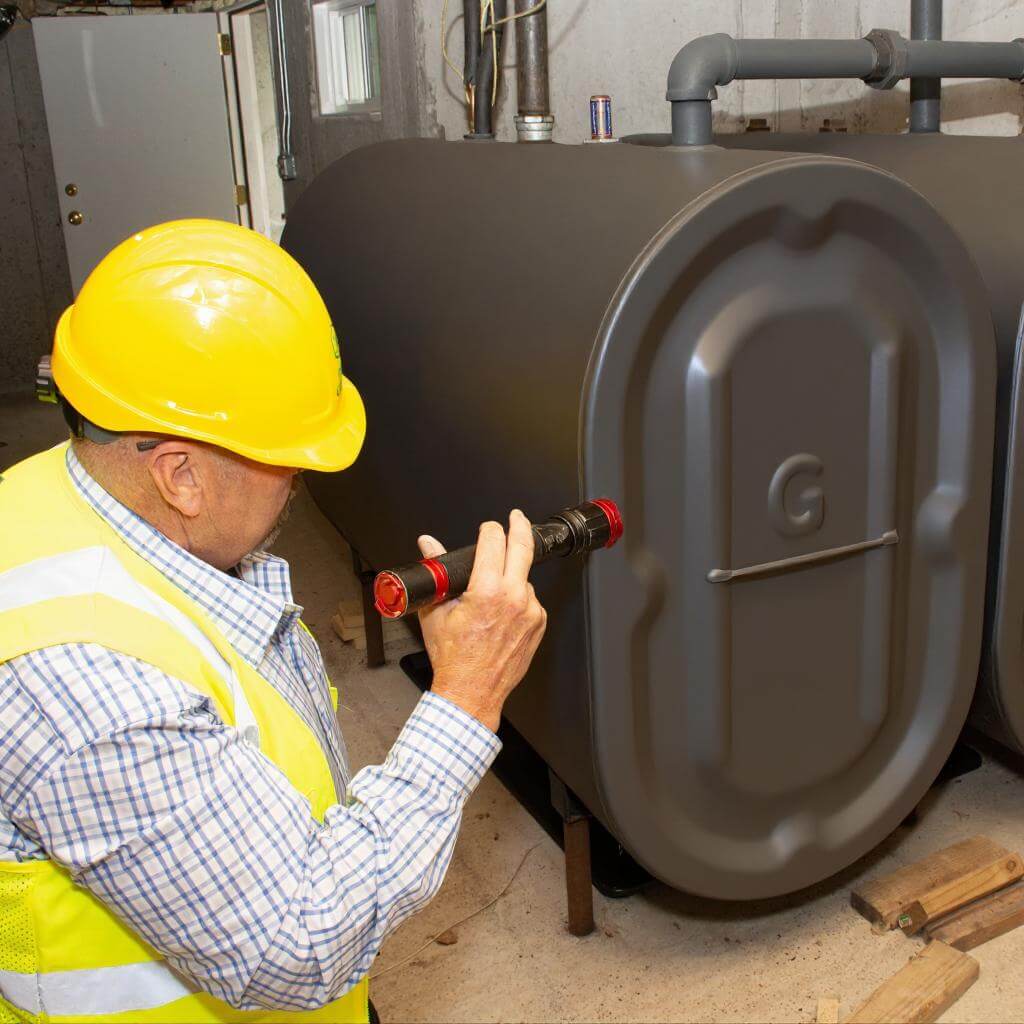
A residential septic system is not just a single tank buried in the yard. It includes multiple components that work together:
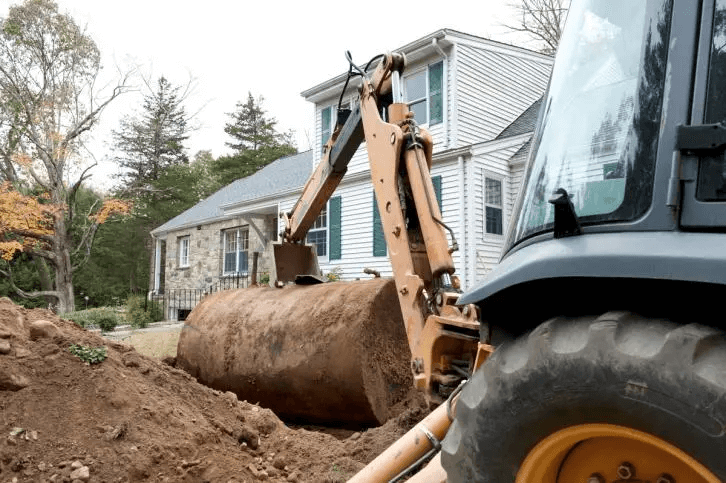
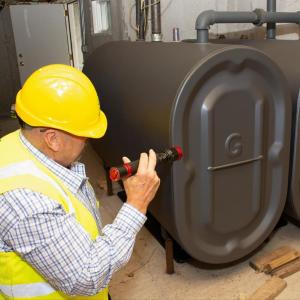
- The septic tank, which separates solids from liquids
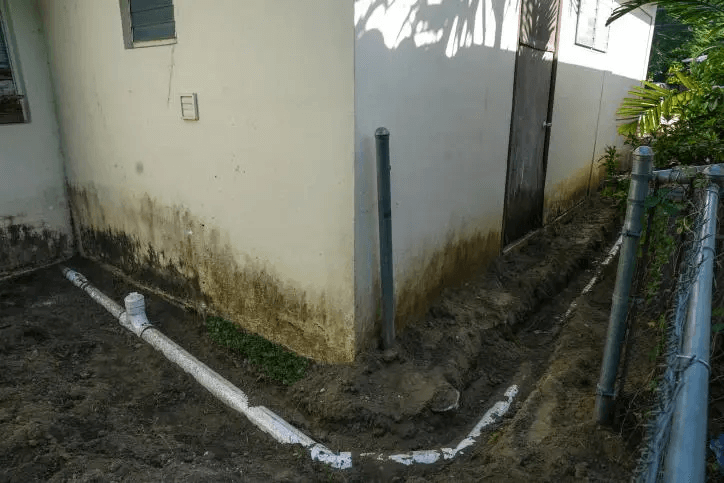
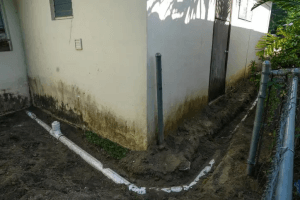
- Pipes that move wastewater through the system
- A distribution box or similar mechanism
- The leach field or drain field, where wastewater is absorbed into the soil
- Pumps or mechanical parts in some systems
Most of these components are underground and exposed to soil and root system movement, moisture, and gradual wear. That fact plays a big role in how insurers view septic systems.
How Homeowners Insurance Is Designed to Work
Homeowners insurance is built to protect against unexpected, sudden events, not long-term deterioration, wear and tear, misuse, overuse, or poor maintenance. Insurance policies generally cover damage caused by specific events such as fire, storms, or accidental impact (in insurance, a “peril”).
They are not meant to act as maintenance contracts. Anything that fails slowly over time, especially underground, is usually excluded. Septic systems fall squarely into that category.
This does not mean septic systems are never covered, but it does mean coverage is limited to very specific scenarios that are highly unlikely to occur and therefore leave you exposed to the real risks of septic failure.
When Septic Systems Are Usually Not Covered
Most septic problems do not come from one sudden event. They develop slowly, underground, and out of sight (e.g. gradual misuse, overuse, general wear and tear). These are the situations homeowners insurance almost always excludes.
Wear and Tear
Cracked tanks, aging pipes, and failing drain fields are considered normal deterioration. Insurance policies explicitly exclude wear and tear.
Maintenance-Related Failures
Problems caused by infrequent pumping, overuse, or improper disposal of waste are not covered.
Soil and Groundwater Issues
Drain field failures caused by saturated soil, poor drainage, or rising groundwater are typically excluded.
Gradual Damage
Leaks or seepage that develop over months or years are not considered sudden or accidental, even if the homeowner did not notice them.
Environmental Contamination
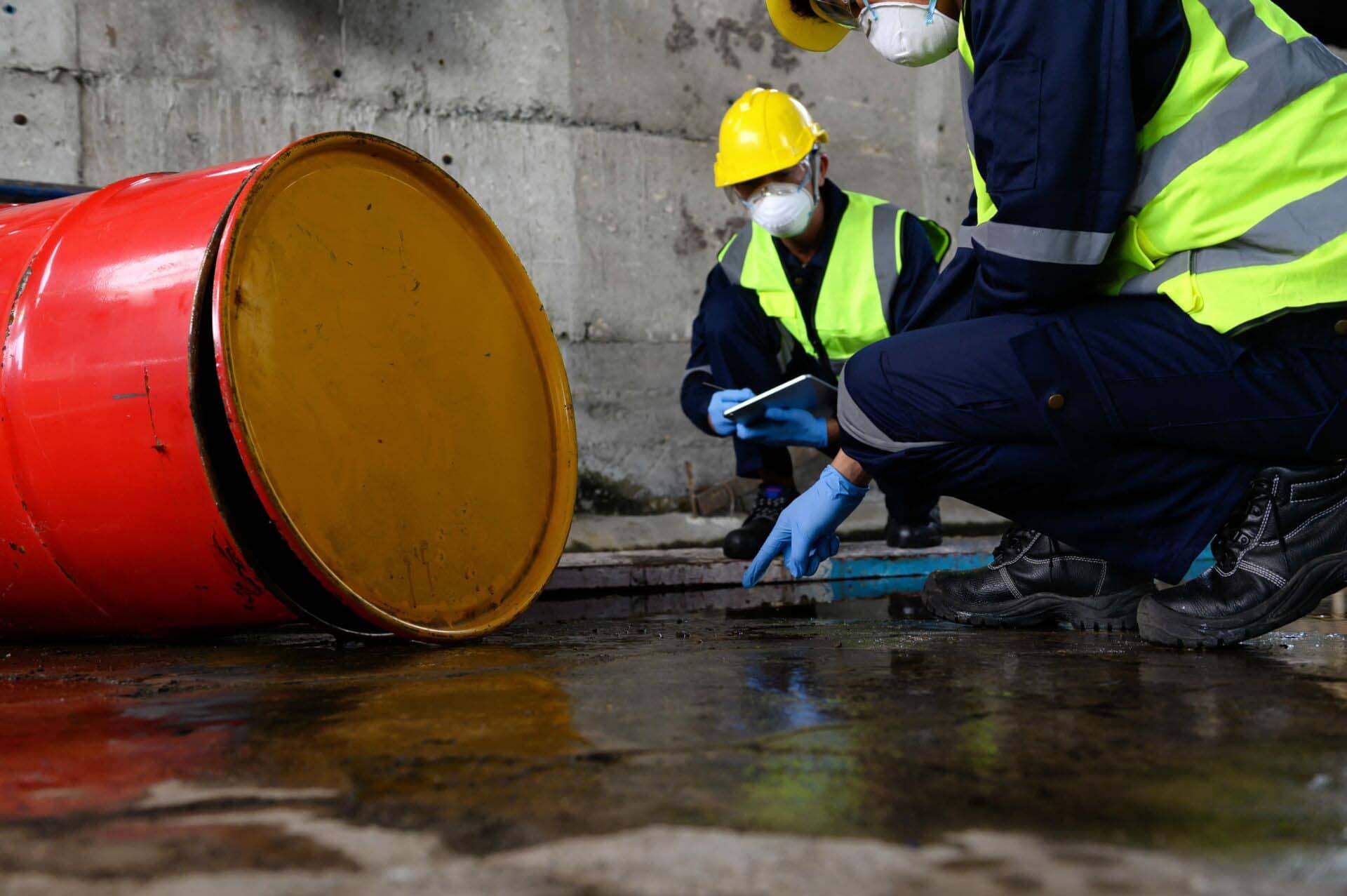
Cleanup related to soil or groundwater contamination is often excluded or subject to strict limits, even when contamination results from septic failure. And third party coverage is almost always excluded too (i.e. it won’t cover the cost to remediate your neighbor’s property or if a nearby water system, or ground water systems is contaminated by your septic system).
These exclusions account for the majority of septic system failures.
Septic Backups vs Septic System Failure
Many homeowners confuse septic system failure with septic backups.
Some insurance policies offer optional endorsements for sewer or drain backups. These endorsements may help cover interior damage, such as wastewater backing up into a basement or bathroom.
However, these endorsements usually do not cover:
- Repairing or replacing the septic tank
- Repairing or replacing the pipes and distribution boxes
- Replacing a drain field or leach field
- Fixing the underlying cause of the failure
They are designed to address damage inside the home, not the septic system itself.
Septic Replacement and Major Repairs
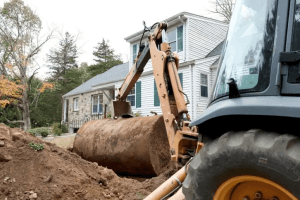
Replacing a septic system or leach field can be expensive. Costs vary by region (regulation impacts costs) and system type, but full replacements often reach well into five figures.
Homeowners insurance almost never pays for:
- Full septic system replacement following failure due to age, wear and tear, misuse, overuse or soil or root movements
- Drain/leach field replacement caused by soil failure, root systems, overuse, blockages
From an insurance perspective, these are ownership costs, not insurable losses.
Why Septic Systems Are Treated This Way
Insurance companies treat septic systems similarly to foundations and underground utilities. The reasons are practical:
- Failures are difficult to trace to a single event
- Damage develops gradually
- Maintenance plays a major role
- Repairs are expensive (especially depends on the regulation in your town, county or municipality) and predictable over time
Because insurers cannot reliably separate sudden damage from long-term degradation, they limit coverage exposure. Moreover, they cannot provide you with a network of vetted septic technicians to help you repair/replace your septic system, and they cannot keep track of all the local ordinances and laws that must be followed yet change regularly.
Why Homeowners Are Often Surprised
Septic coverage surprises homeowners because:
- The system is essential to daily life
- Failures can feel sudden, even if they developed slowly
- Repairs are disruptive and costly
But insurance policies are written around unpredictability, not necessity. When people ask does home insurance cover septic systems, they often find that something can be essential to a home and still excluded from coverage.
How to Check Your Own Policy
Homeowners who want clarity should review:
- The list of covered perils
- Exclusions related to wear and tear and underground systems
- Any endorsements related to water or sewer backups
- Pollution or environmental exclusions
- Limits – if your insurance company only offers you shallow financial limits towards a septic issue, it will not be adequate to compensate you for expenses associated with a septic repair/replacement.
Policy language matters, and the answer to “does homeowners insurance cover septic systems” often hinges on how damage is classified.
When Septic Damage May Be Covered
Homeowners insurance may apply only when a covered event directly damages the septic system.
Examples include:
- A fire damages exposed septic components or a pump
- A vehicle accident collapses part of the system
- A falling tree during a storm breaks pipes or damages the tank
In these cases, the insurance company is responding to the external event, not the septic system itself. Does homeowners insurance cover septic systems in these scenarios? Even then, coverage is usually limited to the damaged portion, not the entire system. Moreover, the likelihood is exceedingly low since these parts and systems are underground, and not susceptible to these risks.
If the insurer determines that the septic system was already deteriorating, coverage may still be denied or reduced.
Final Takeaway
So, does homeowners insurance cover septic systems? Homeowners insurance may cover septic damage in rare situations where a sudden, external event causes direct physical damage. In most cases, this is not why your septic system will fail. Therefore, septic system failures, replacements, and environmental cleanup costs are excluded from homeowners insurance policies, and you would need a septic system insurance to take care of these.
Understanding these limits ahead of time allows homeowners to plan realistically and avoid assuming coverage that may not exist. Septic systems are critical infrastructure, but they sit outside the core purpose of standard homeowners insurance.