Oil is one of the most efficient and economical sources of fuel to heat your home. It cannot be beaten from a practical perspective. If your home uses heating oil, an oil tank is one of the most important yet risky systems on the property. Whether the tank is in a basement, buried in the yard, or sitting outside, homeowners often assume it is covered by their homeowners insurance in the same way a furnace or water heater would be.
In reality, the answer to the question does homeowners insurance cover oil tanks leaks is more complex than most realize. Oil tank coverage is one of the most limited and misunderstood areas of homeowners insurance. While there are narrow situations where coverage may apply, most oil tank problems fall outside what standard homeowners insurance policies are designed to handle.
This article explains how homeowners insurance typically treats oil tanks, when coverage may exist, and where homeowners are most exposed financially.
What Counts as an Oil Tank?
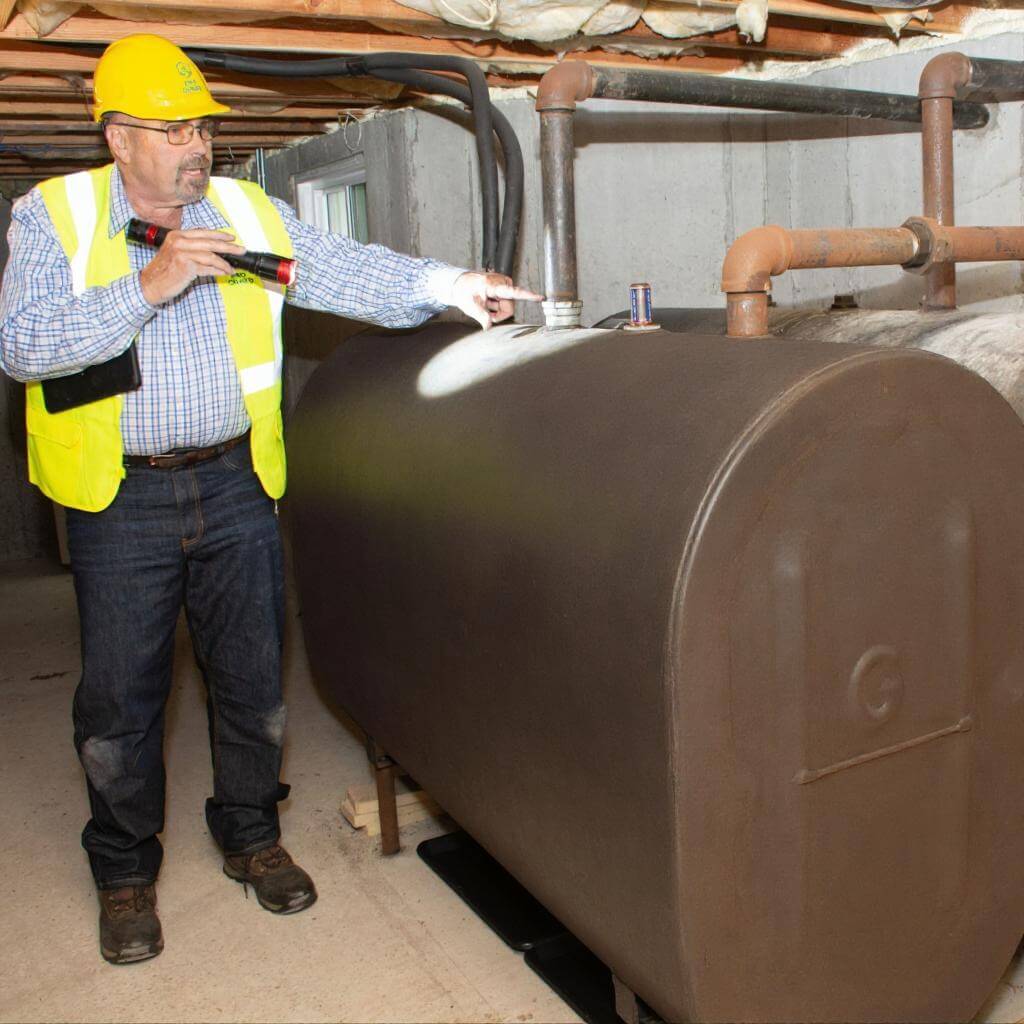
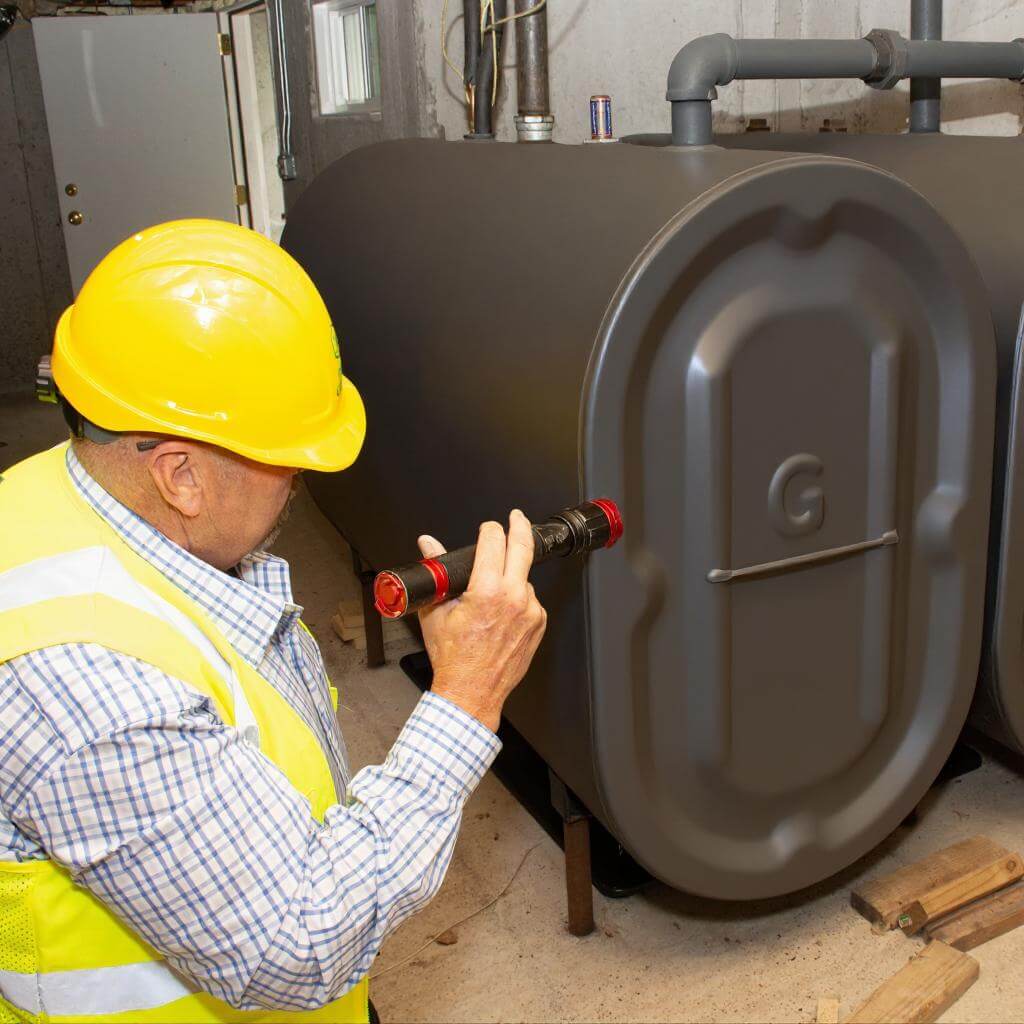
Residential oil tanks are used to store heating oil for furnaces or boilers. They generally fall into two categories:
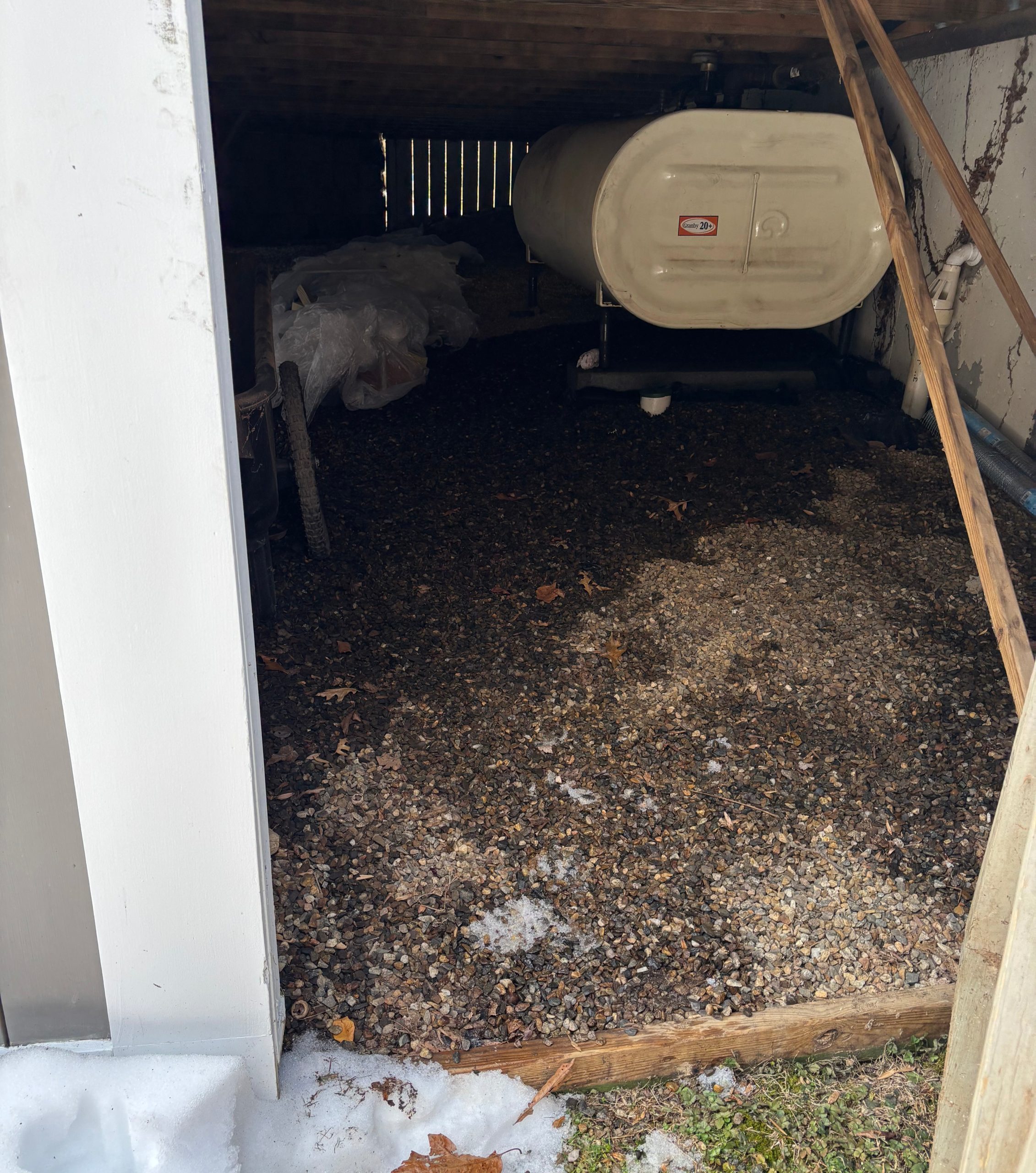
- Aboveground tanks, often located in basements, garages, or outside the home
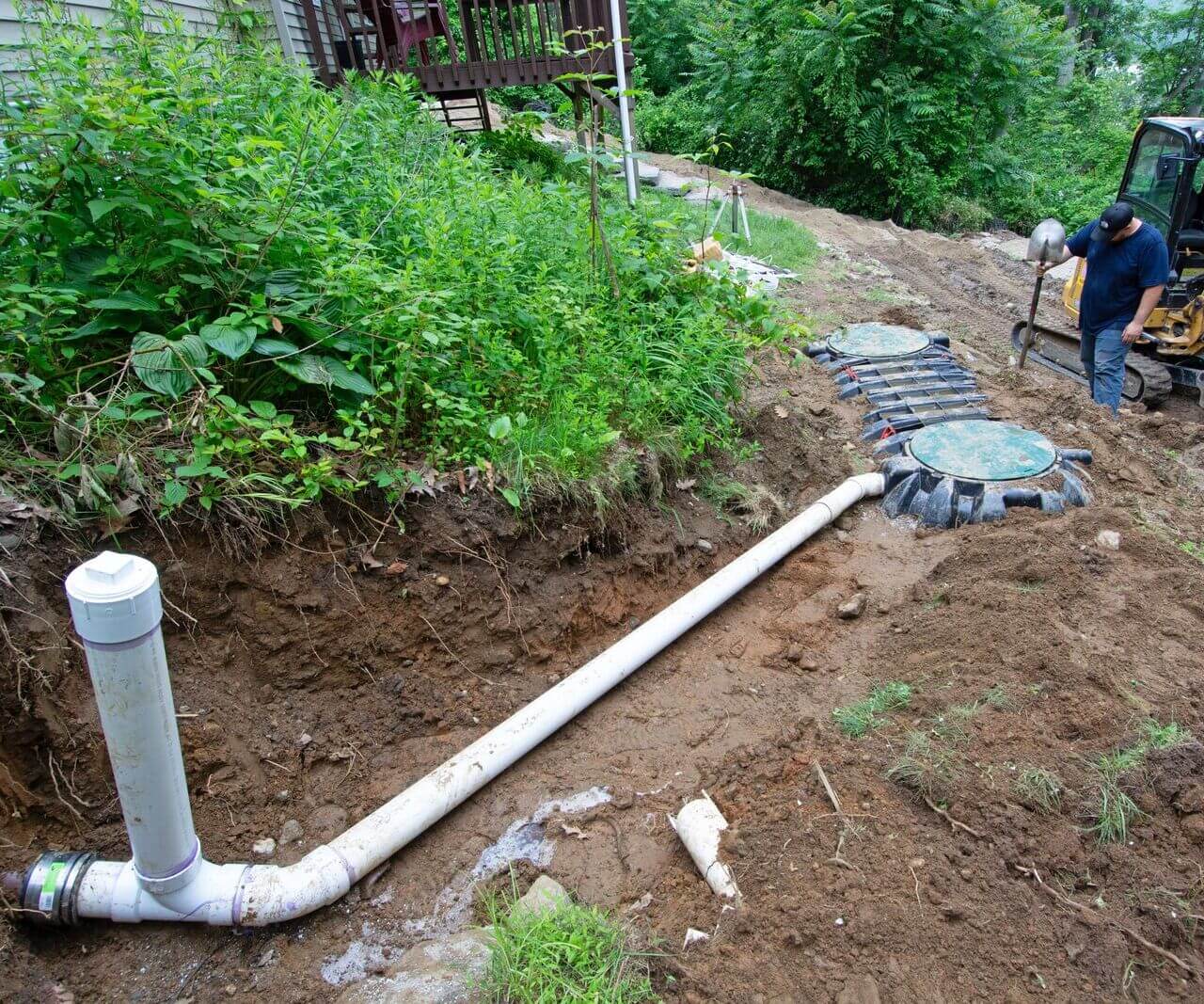
- Underground tanks, buried on the property, sometimes installed decades ago
In addition to the tank itself, the system includes supply lines, valves, gauges, vents, and fittings. Many failures occur in the tank body, but also in these connecting components.
Because oil tanks store fuel and pose environmental risks, insurers treat them differently from most household systems.
How Homeowners Insurance Is Structured
Homeowners insurance is designed to cover sudden, accidental damage caused by specific events like fires, storms, or impact. It is not designed to cover gradual deterioration, corrosion, or predictable failure.
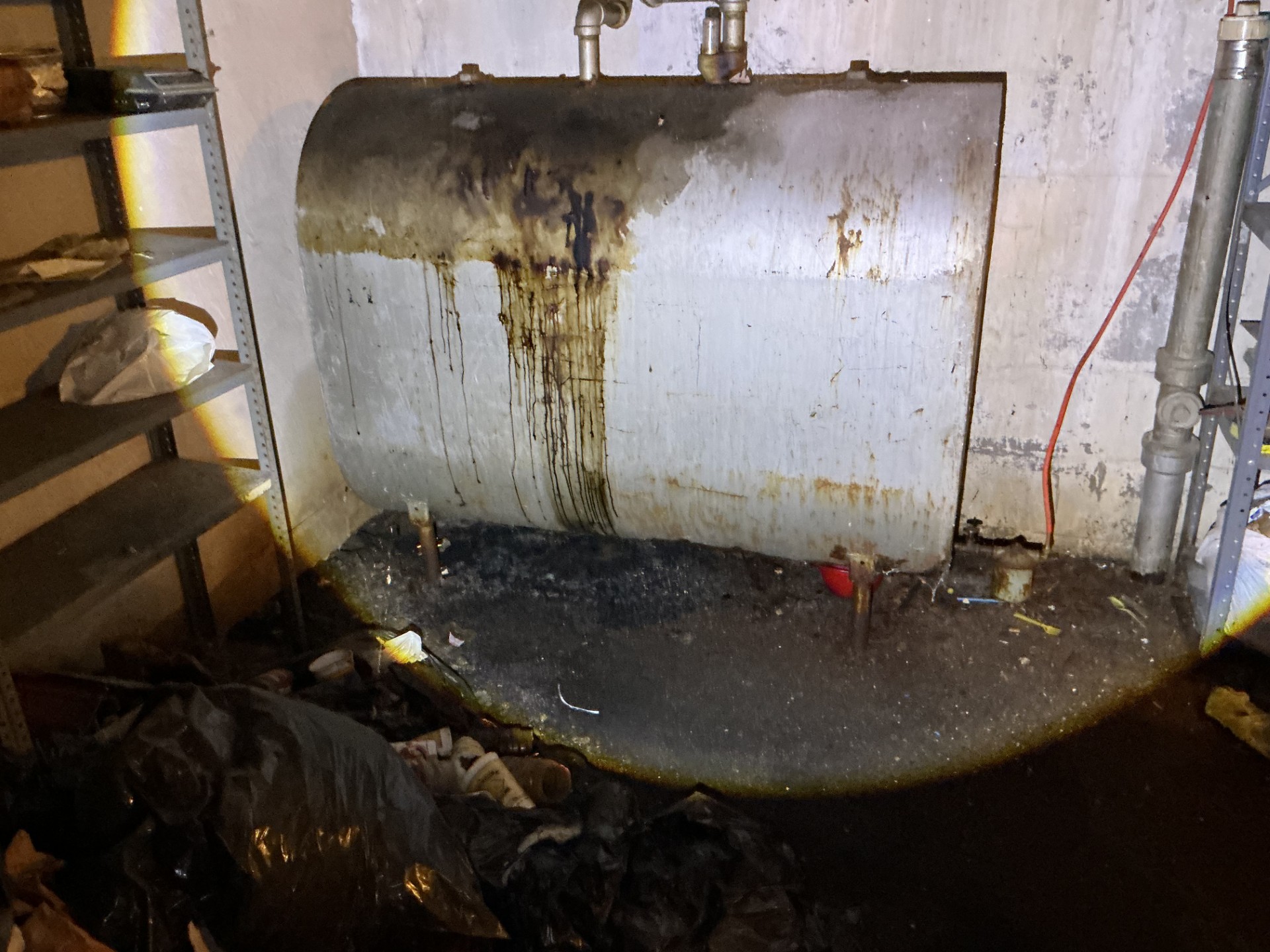
Oil tanks, especially older ones, are prone to slow corrosion (from the inside out, and therefore impossible to see until its too late) and small leaks that develop over time. From an insurance perspective, this makes them high-risk and difficult to insure under standard policies.
As a result, oil tank coverage is almost always excluded from homeowners’ insurance policies.
When Oil Tank Damage May Be Covered
Homeowners insurance may apply only if a covered event directly damages the oil tank.
Examples include:
- A fire damages the tank or its connected piping
- A vehicle crashes into an aboveground tank
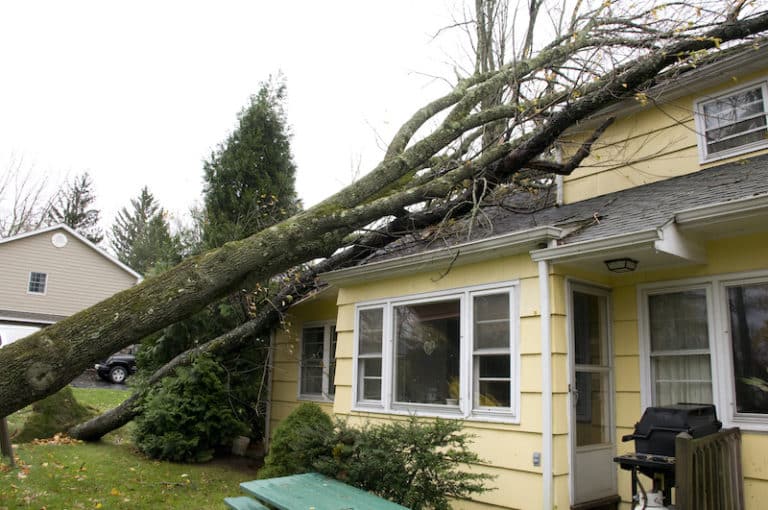
- A tree falls during a storm and ruptures the tank
In these situations, the insurer is responding to the external event, not the tank itself. Coverage may apply to repairing or replacing the damaged portion of the system.
Even in these cases, insurers often investigate whether corrosion or pre-existing deterioration contributed to the damage. If it did, coverage will be denied. Furthermore, over the past number of years, the majority of homeowner insurance policies have explicit exclusions regarding oil tanks. Therefore, regardless of how the oil tank was damaged, it is a specific exclusion and will not covered.
When Oil Tank Issues Are Usually Not Covered
Most oil tank problems are not caused by a single event. They develop slowly and often go unnoticed until oil has already escaped into the surrounding area.
These are the situations homeowners insurance typically excludes.
As stated above, over the past years, most homeowner insurance policies specifically have an exclusion on oil tanks and will not pay any claim when an oil tank is responsible or involved in the event. Consequently, homeowners who heat their home with oil are locked out of the insurance market and cannot get coverage on their home’s most essential system.
Corrosion and Aging
Steel oil tanks corrode over time, especially older underground tanks. Corrosion is considered wear and tear and is always excluded from an insurance policy (insurance only covers “perils” or accidents).
Gradual Leaks
Small leaks that develop over months or years are not considered sudden or accidental, even if the homeowner was unaware of them.
Environmental Contamination
Soil and groundwater contamination caused by oil leaks is frequently excluded or subject to very low sublimits.
Preventive Removal
Removing an aging tank before it leaks is considered maintenance and is not covered.
Because most oil tank failures fall into these categories, homeowners often face significant out-of-pocket costs.
Aboveground vs Underground Tanks and Insurance
Insurance treatment differs slightly depending on where the tank is located.
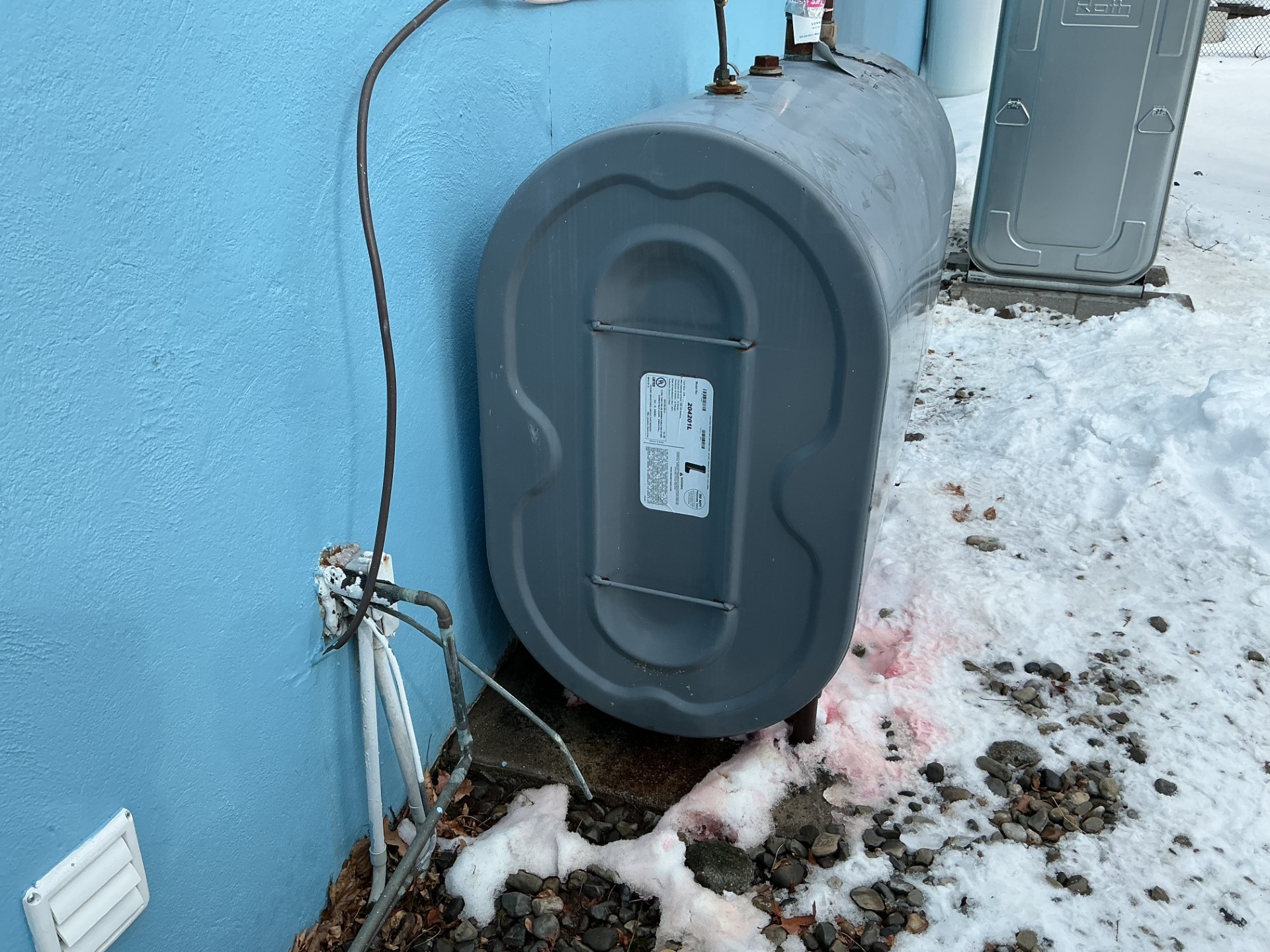
Aboveground Tanks
Aboveground tanks are easier to inspect and monitor. Some insurers are more willing to offer limited coverage for sudden damage to aboveground tanks, particularly if they are newer. However, the number of insurance companies willing to do this has shrunk to almost none.
Leaks caused by corrosion or faulty fittings are excluded.
Underground Tanks
Underground oil tanks pose higher environmental risk and are much harder to monitor. All homeowners insurance companies exclude them entirely or require disclosure before issuing a policy.
Cleanup costs related to underground tank leaks are among the most commonly denied claims in homeowners insurance.
Oil Leaks and Environmental Liability
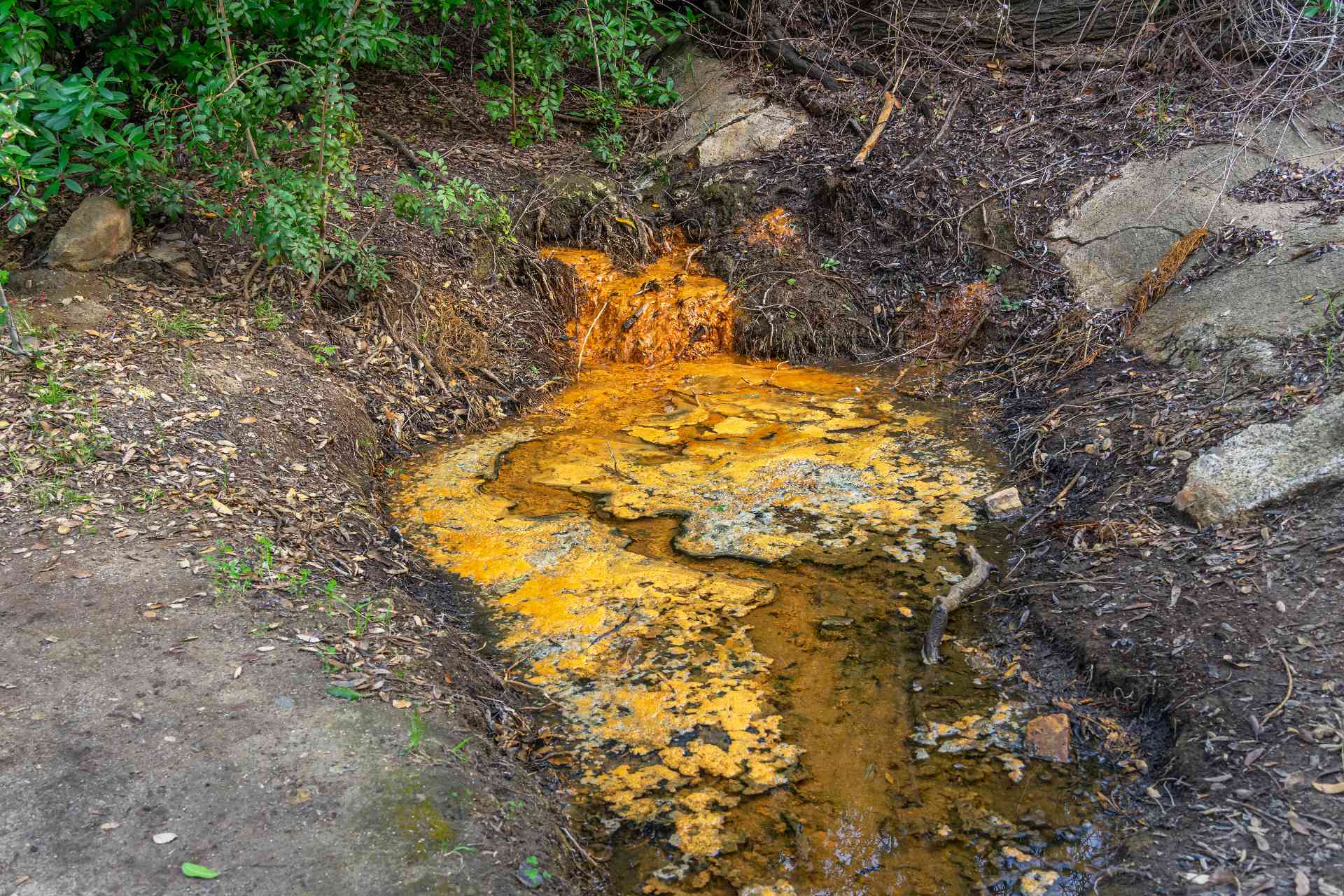
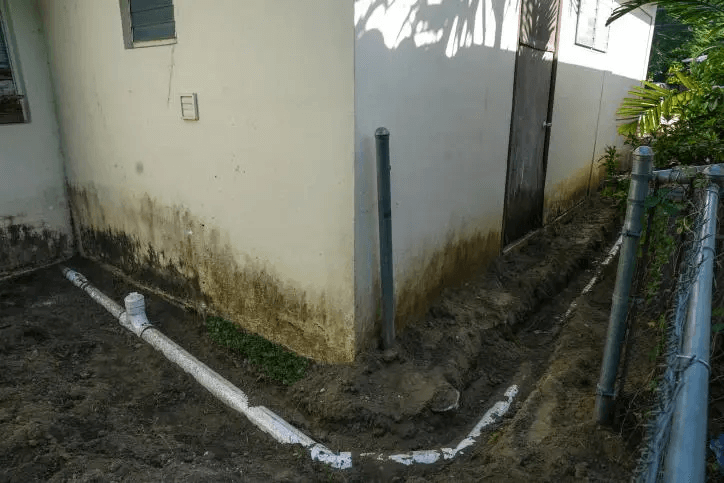
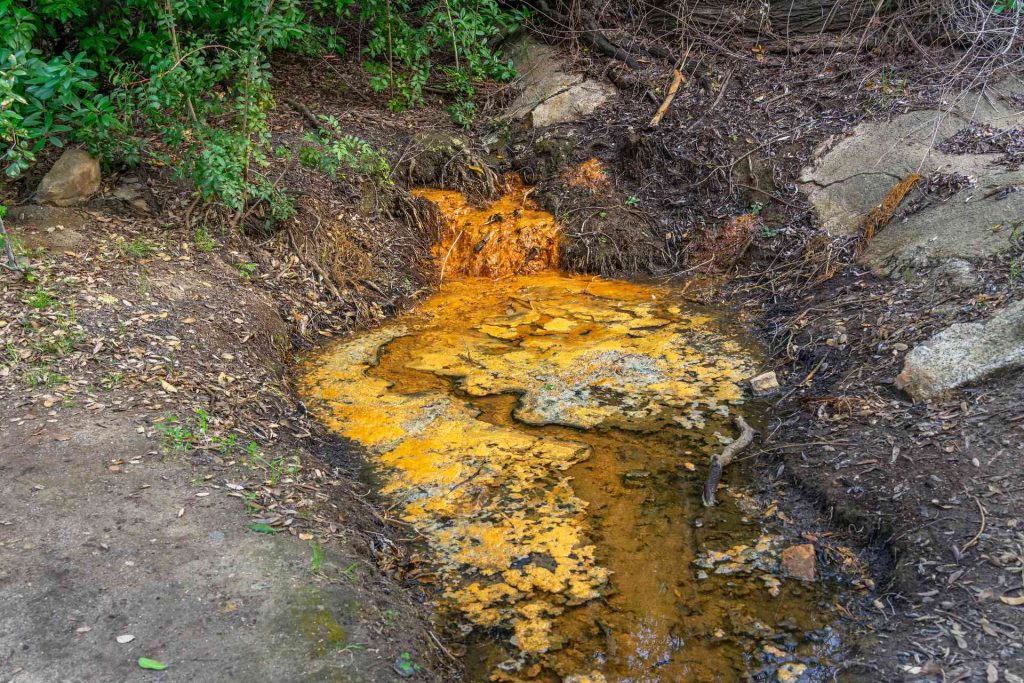
One of the most serious aspects of oil tank failure is environmental contamination. Heating oil can spread through soil and migrate into groundwater or neighboring properties.
Homeowners insurance policies include pollution exclusions that limit or eliminate coverage for:
- Soil remediation
- Groundwater cleanup
- Environmental testing
- Third-party damage related to contamination
Why Insurers Limit Oil Tank Coverage
From an insurance standpoint, oil tanks present several challenges:
- Failures are often gradual and hard to date
- Corrosion is expected over time
- Cleanup costs can be extremely high
- Environmental damage can extend beyond the property
Because insurance is designed to pool unpredictable risk, oil tanks are treated as a known, long-term liability rather than a sudden hazard.
Common Misunderstandings Homeowners Have
Homeowners are often surprised by oil tank exclusions because:
- The tank is essential to heating the home
- Leaks can appear sudden, even if they developed slowly
- Cleanup costs exceed all other major home repairs – check out the situation this homeowner in Massacheusets faced: https://www.nbcboston.com/investigations/it-changes-everything-family-financially-devastated-by-surprise-400k-bill/3762168/
Many homeowners only discover these limits when a leak is found during a home inspection, renovation, or property sale.
What Homeowners Can Do to Understand Their Exposure
To understand how their policy applies, homeowners should review:
- The list of covered perils
- Wear and tear exclusions
- Pollution or contamination exclusions
- Any endorsements related to fuel oil or underground and aboveground storage tanks
Some insurers also require oil tank disclosures or inspections, especially for older systems.
Final Takeaway
Homeowners insurance may cover oil tank damage in rare situations where a sudden, external event causes direct physical damage. However, when asking does homeowners insurance cover oil tank leaks, it is important to note that in most cases, oil tank leaks, corrosion-related failures, and environmental cleanup costs are excluded from standard policies.
For homeowners that heat their homes with oil, understanding these limits ahead of time is critical. Oil is a fantastic way to heat your home especially in extreme cold temperatures (as experienced recently in the northeast United States) – it is both efficient and economical for homeowners. However, oil tanks carry unique risks that fall outside the core purpose of homeowners insurance, and assuming coverage where none exists can lead to costly surprises.