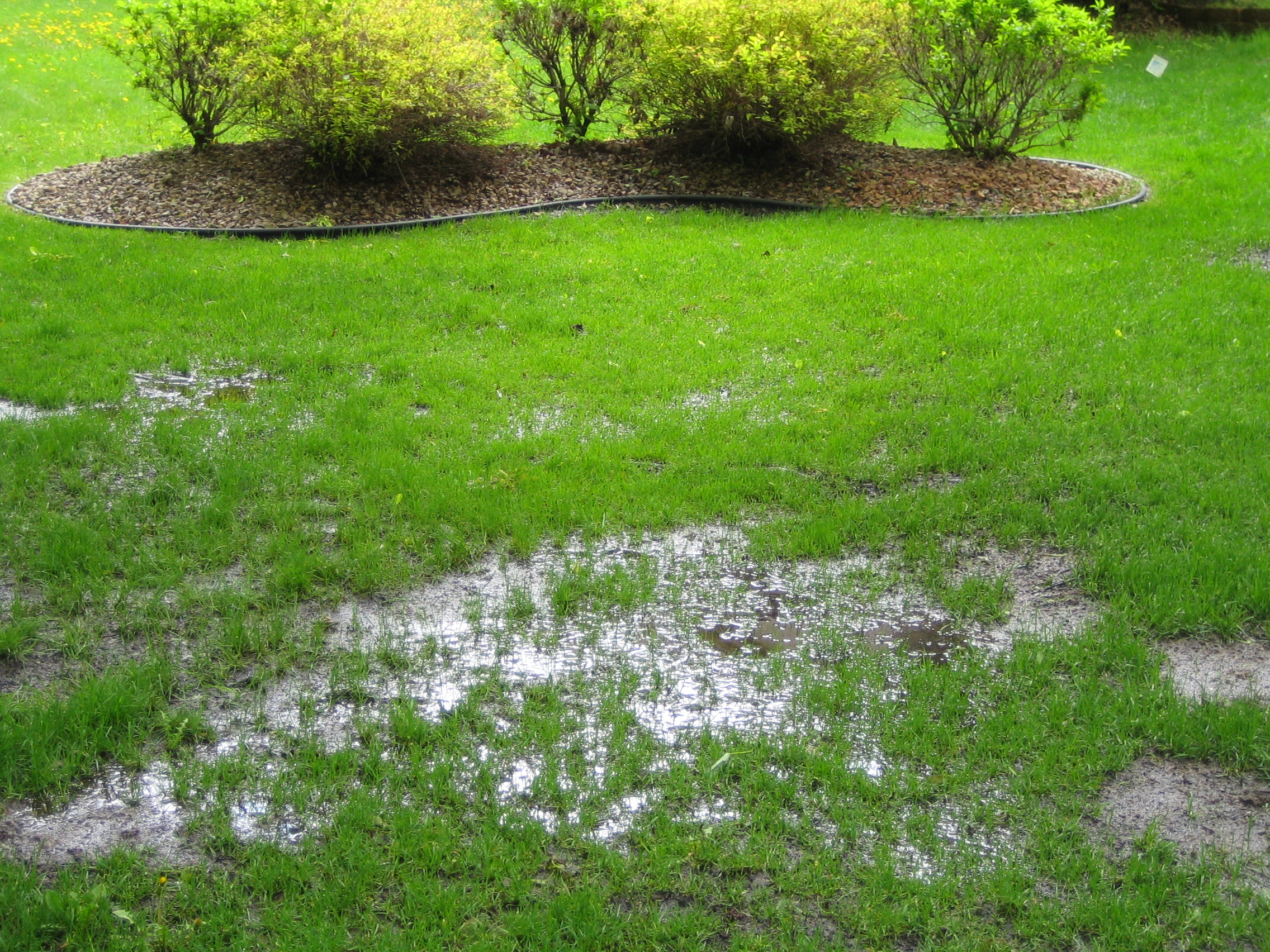
Groundwater contamination is one of those issues homeowners rarely think about until it becomes impossible to ignore. It happens out of sight, often underground, and usually long before anyone notices a problem. When it does come up – during a test, an inspection, or a dispute – the first question is almost always the same: am I actually responsible for this?
In many cases, the answer is yes. Homeowners can be held liable for groundwater contamination, even when they did not cause it intentionally and even when it began years earlier. Understanding why that is requires looking at how environmental responsibility works, not how fault usually works in everyday life.
Start With the Basic Principle
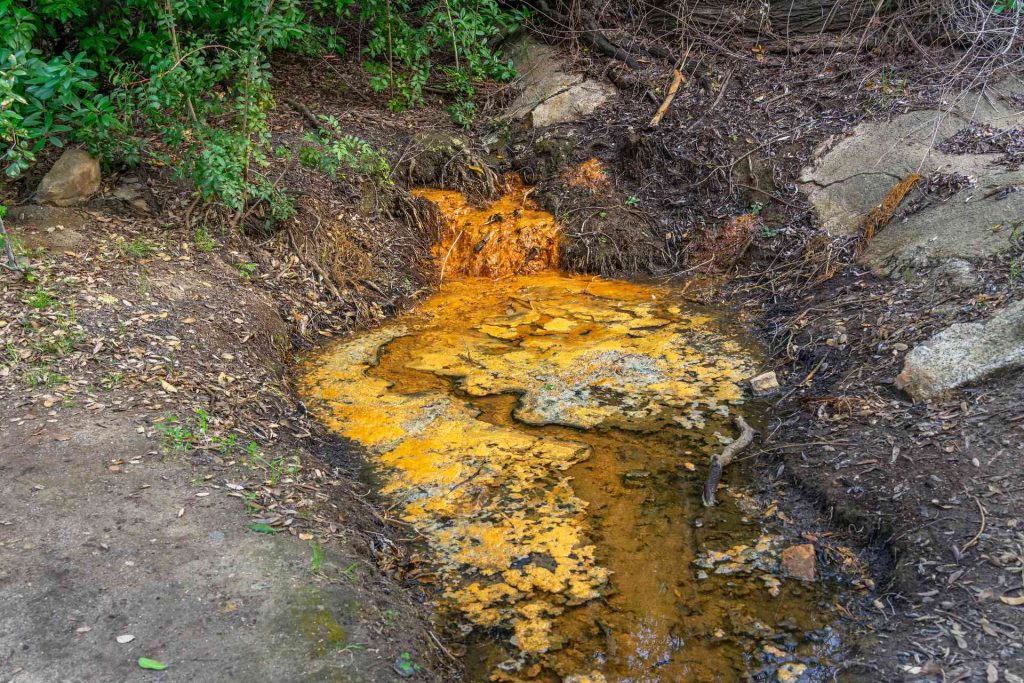
Groundwater contamination laws are built around protection, not blame. The goal is to prevent polluted water from harming people, ecosystems, or neighboring properties. Because groundwater moves and spreads, regulators focus less on who meant to cause harm and more on where the contamination came from.
If contamination originates on your property, responsibility often follows the property owner.
That idea feels counterintuitive to many homeowners, but it is central to how environmental liability works.
Why Groundwater Is Treated Differently
Groundwater is not like a cracked foundation or a broken appliance. It does not stay neatly within property lines.
Once contaminants enter groundwater, they can:
- Travel beneath neighboring homes
- Reach private wells
- Enter streams, wetlands, or public water systems
- Spread far beyond the original source
Because groundwater is shared, contamination is treated as a broader public issue, not a private inconvenience. That is why responsibility is taken seriously, even at the residential level.
How Homeowners Become Liable Without Doing Anything Wrong
One of the hardest realities for homeowners to accept is that liability does not always depend on intent or negligence.
In many jurisdictions, environmental responsibility follows a strict liability model. That means:
- It does not matter whether the homeowner knew about the contamination
- It does not matter when the contamination started
- It does not matter whether a previous owner installed the system
If contamination is traced back to your property, you may still be required to address it.
This is why groundwater issues can surface during home sales, tank removals, or septic failures, long after the original cause occurred.
Common Residential Sources of Groundwater Contamination
Groundwater contamination at homes is most often linked to systems that operate underground and degrade slowly.
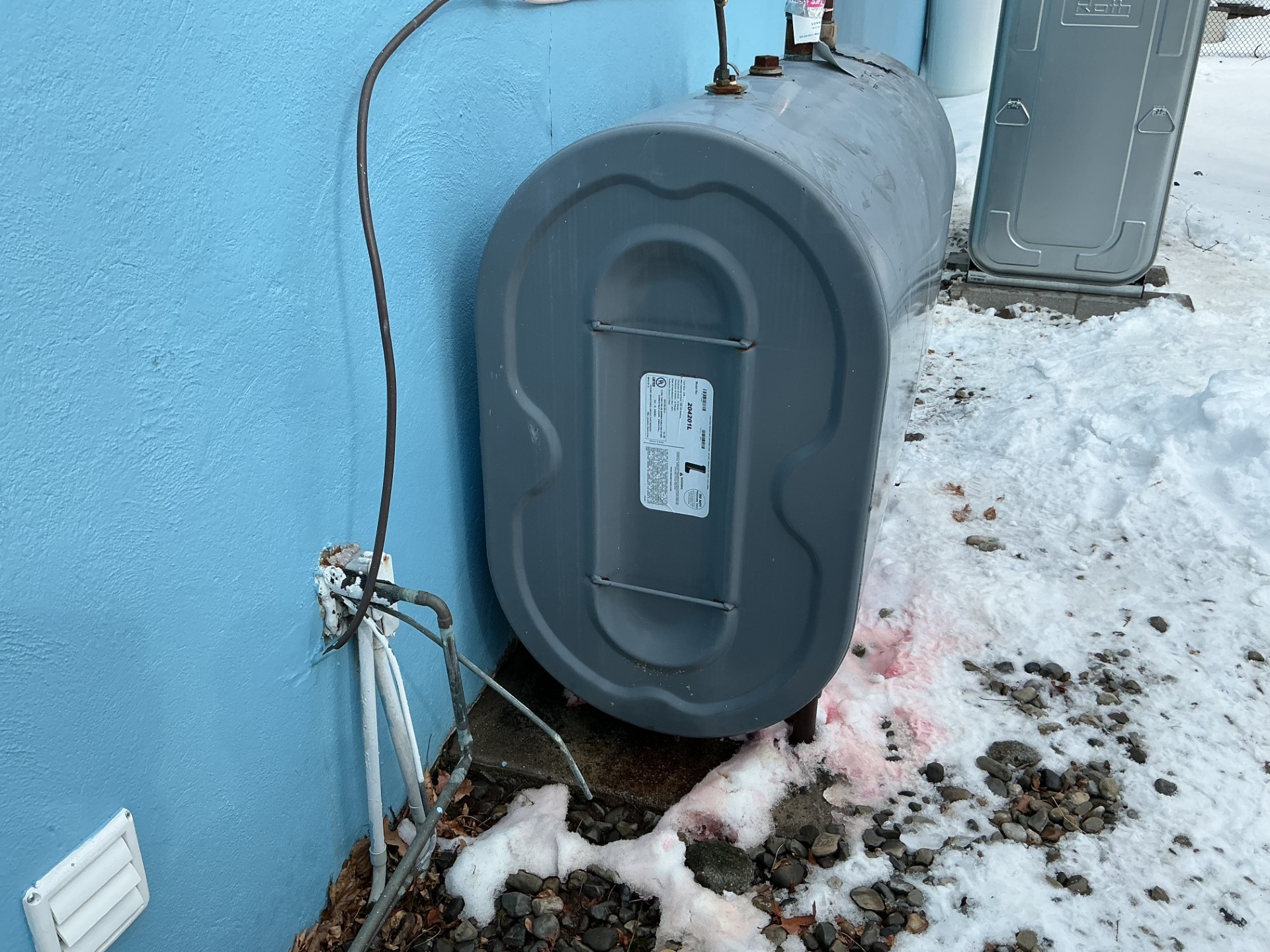
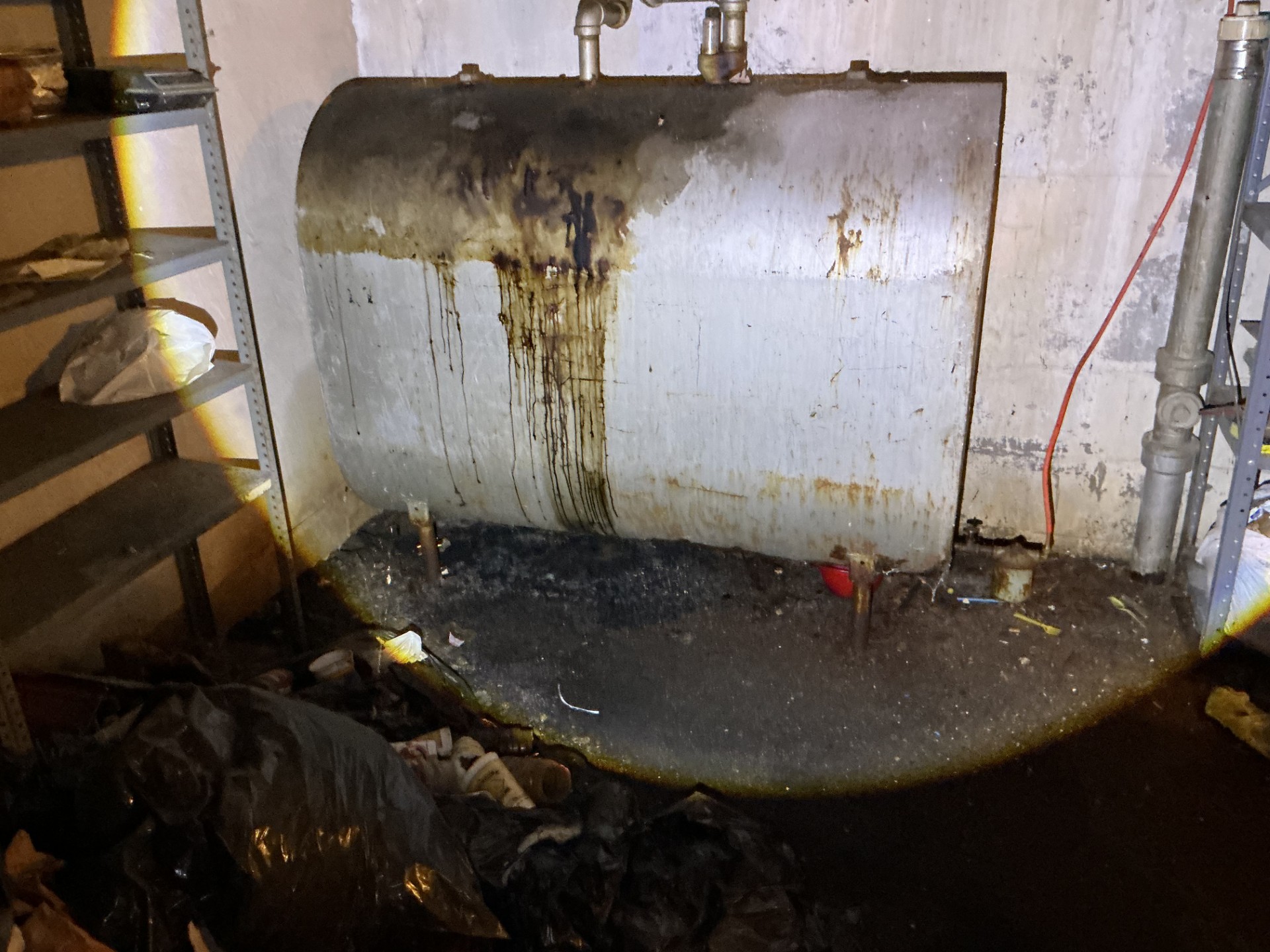
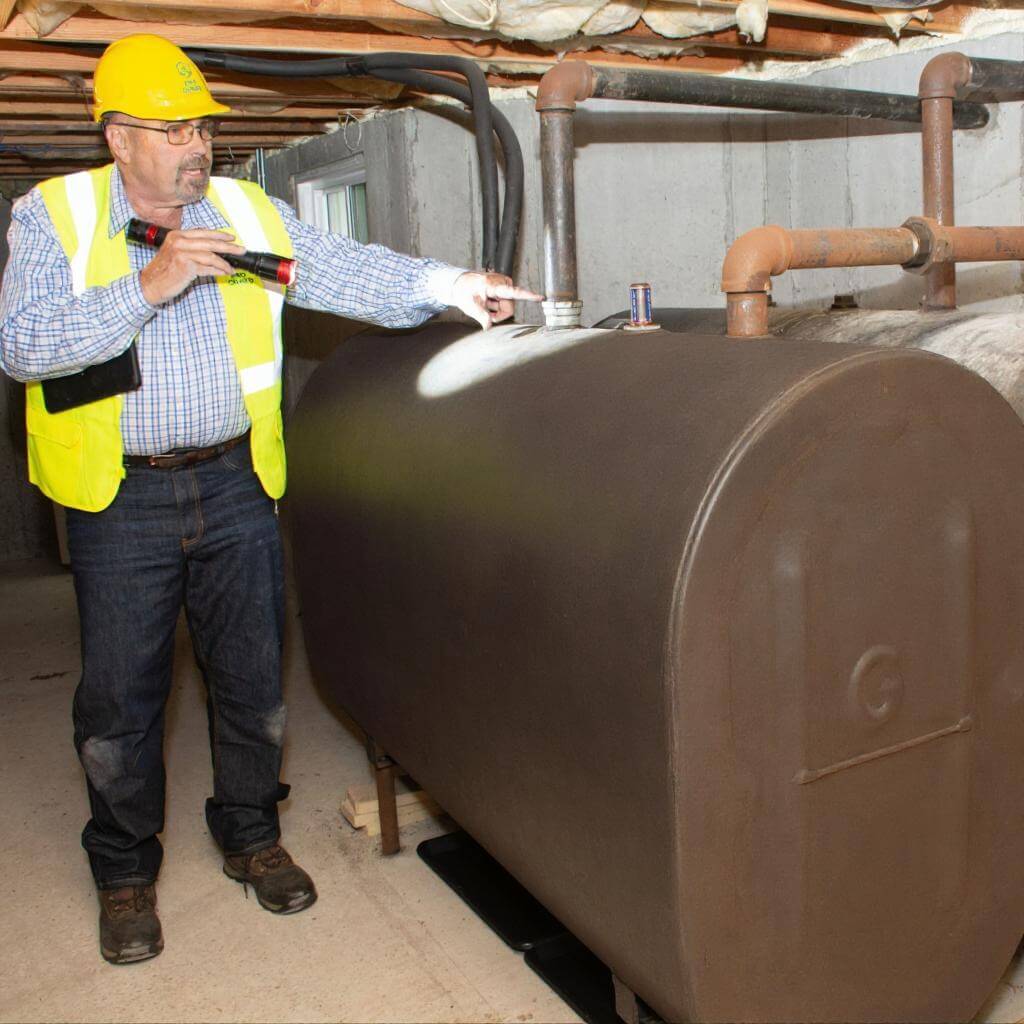
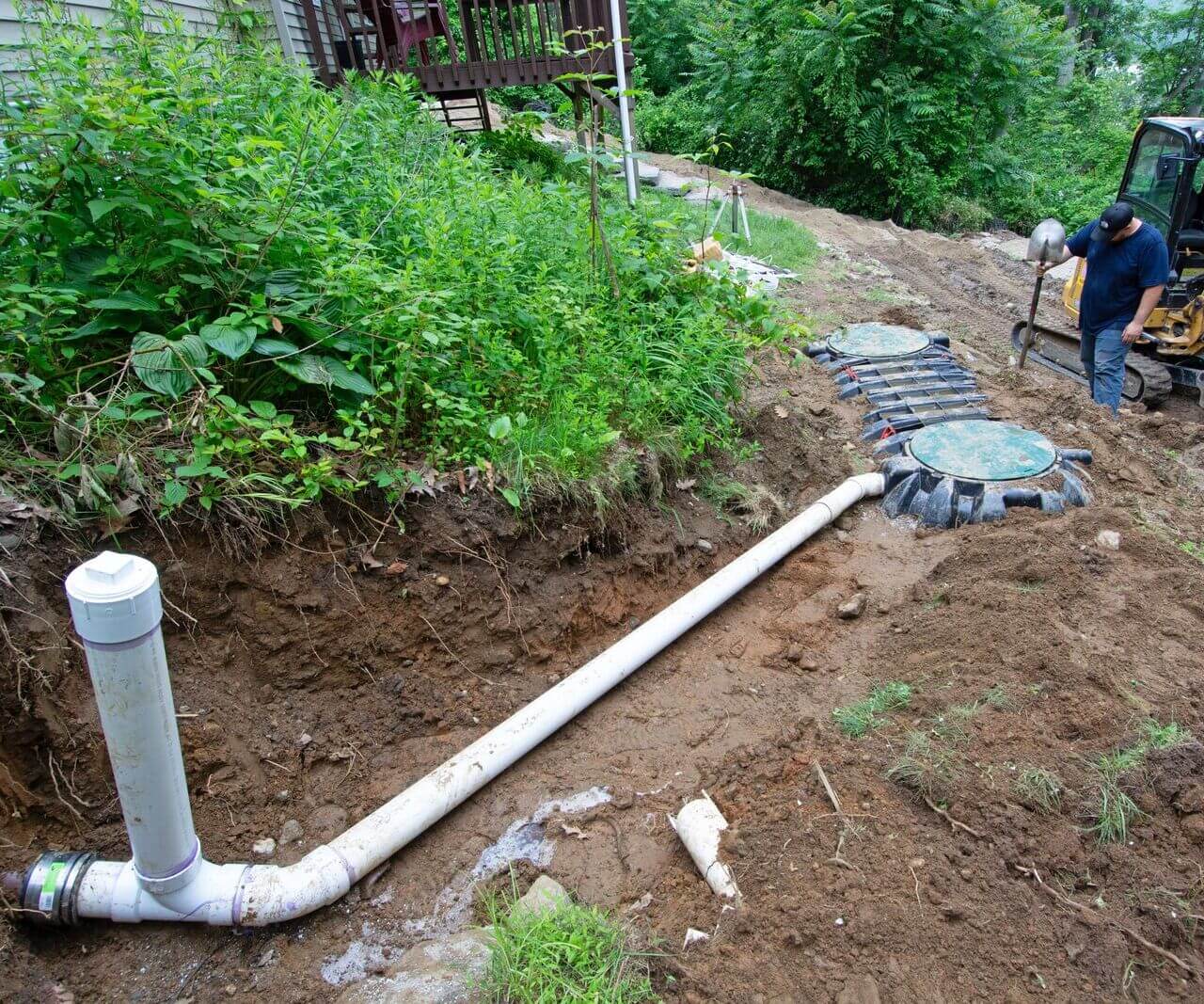
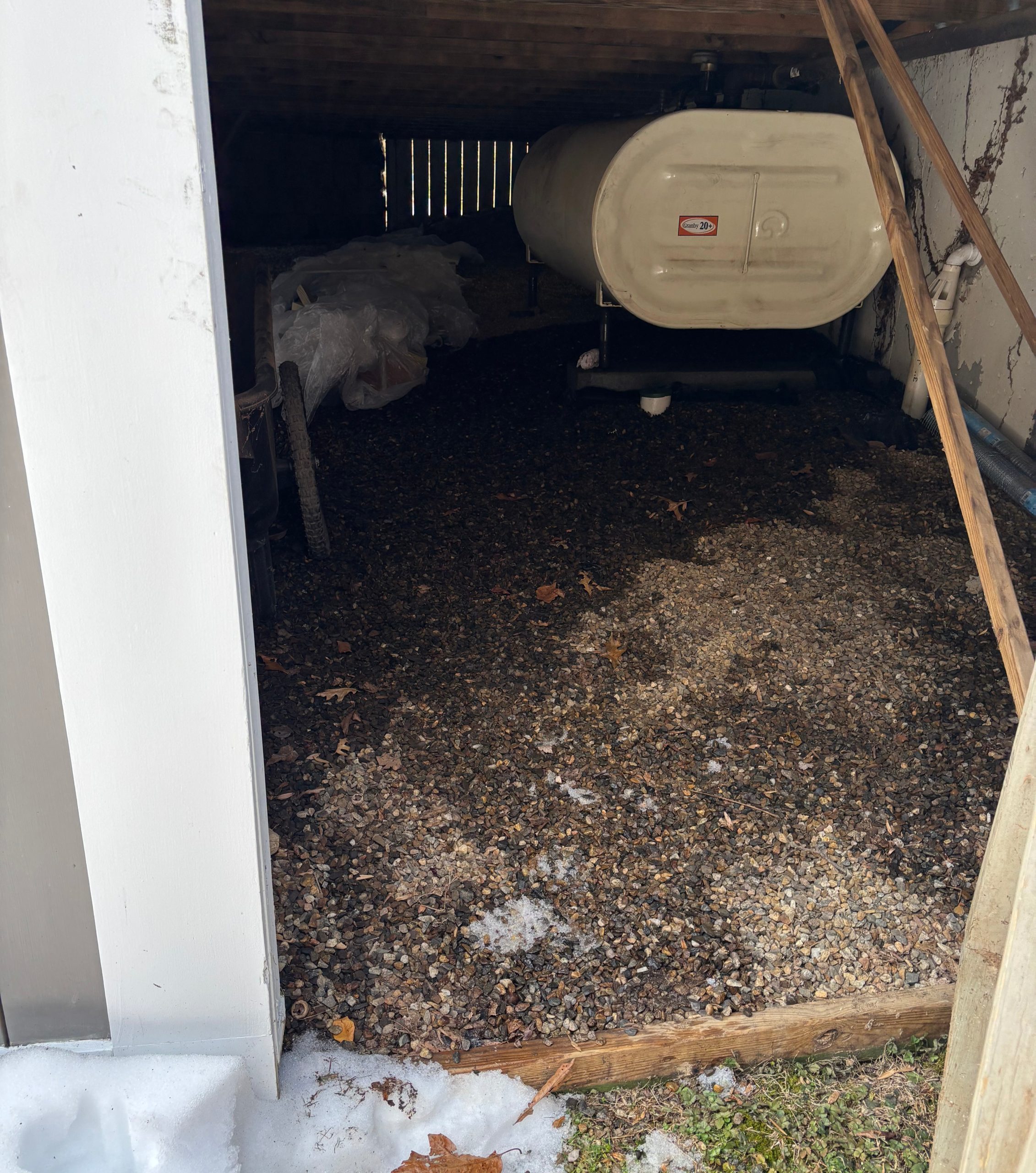
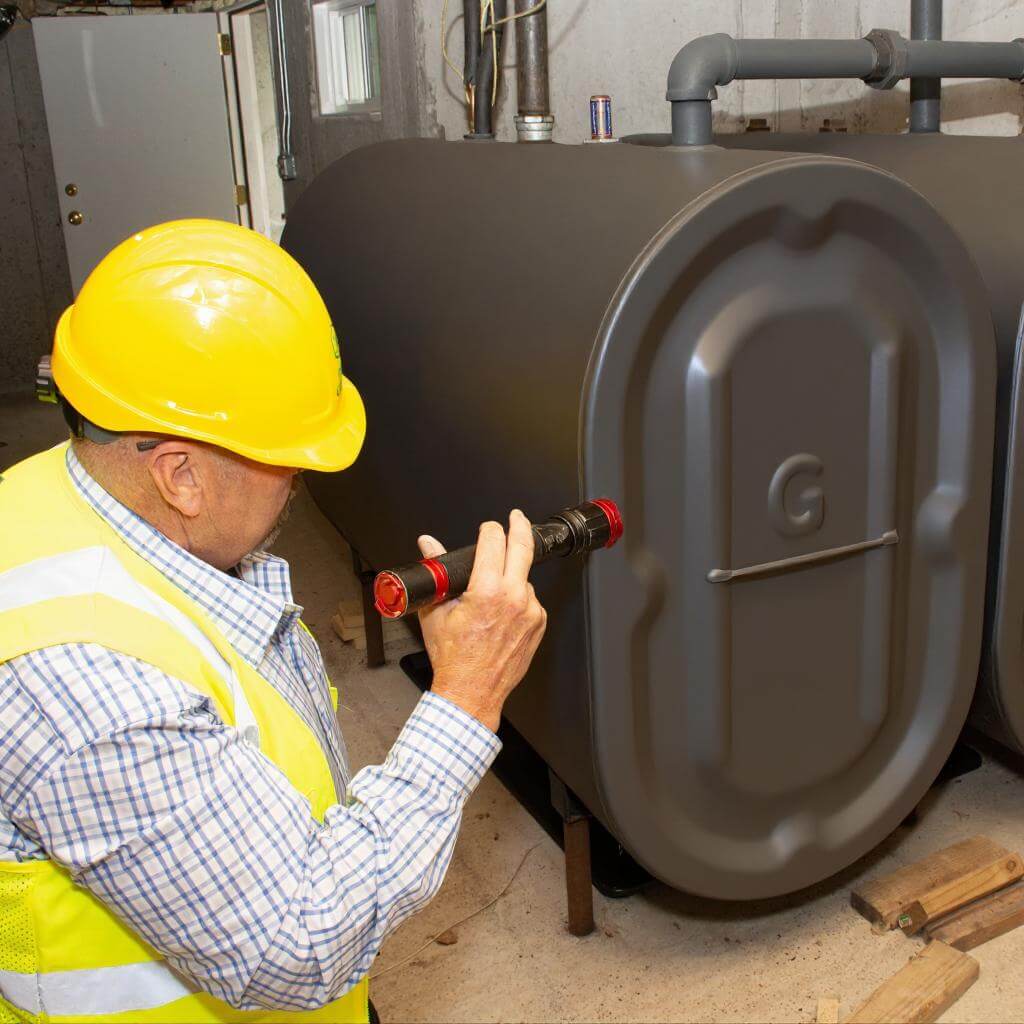
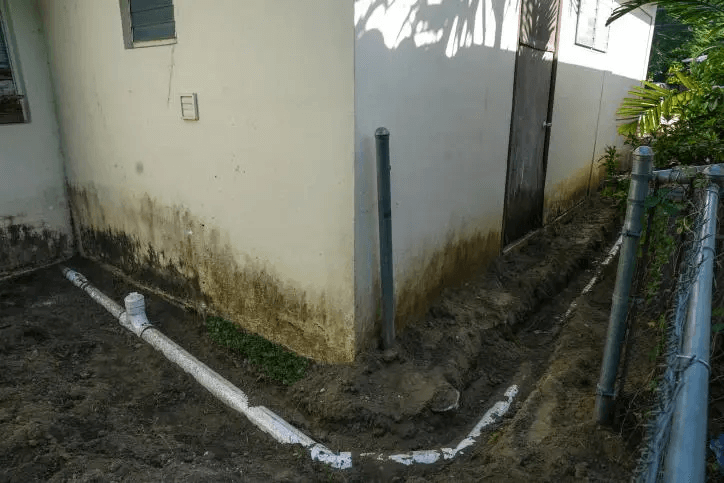
Septic system failures can allow untreated wastewater to seep into soil and groundwater. Oil tank leaks -especially from older or underground tanks – can release fuel that migrates with groundwater. In some cases, buried waste, chemicals, or historic site use plays a role.
What these sources have in common is that they often go unnoticed for months, even years until testing is performed.
What Triggers Discovery
Groundwater contamination is rarely discovered by accident. It usually comes to light during a specific event.
Common triggers include:
- Septic inspections or replacements
- Oil tank testing or removal
- Real estate transactions
- Neighbor complaints about water quality
- Routine environmental testing
Once testing confirms contamination, the issue becomes documented, and responsibility is no longer theoretical.
What Liability Can Actually Involve
Liability does not automatically mean lawsuits or fines, but it does mean obligation.
Homeowners may be required to:
- Investigate the extent of contamination
- Remove or remediate contaminated soil
- Address groundwater impacts
- Monitor water quality over time
- Provide documentation to regulators or buyers
In some cases, groundwater contamination that spreads off-site introduces additional complexity, including coordination with neighbors or authorities.
Insurance Is Often Limited
Many homeowners assume insurance will handle groundwater contamination. In reality, coverage is often limited or excluded.
Standard homeowners insurance policies frequently contain pollution exclusions or strict limits for environmental cleanup. Gradual contamination and long-term leaks are especially unlikely to be covered.
Even when some coverage exists, it may not extend to groundwater impacts or regulatory requirements.
This is why groundwater liability can become financially stressful, even for responsible homeowners.
How Liability Affects Property Value and Sales
Groundwater contamination does not just affect cleanup obligations. It can also affect:
- The ability to sell the property
- Buyer confidence
- Financing and insurance availability
- Disclosure requirements
Once contamination is documented, it usually must be disclosed in future transactions. Even after cleanup, the property may carry a history that buyers and lenders want to understand.
Why Homeowners Are Often Caught Off Guard
Groundwater liability feels unfair to many homeowners because:
- The problem is invisible
- It may have started decades ago
- The homeowner did not cause it knowingly
- The costs can be significant
But environmental law prioritizes prevention and cleanup over assigning moral faults. That difference in philosophy explains why responsibility can exist without wrongdoing.
A More Useful Way to Think About Responsibility
Instead of asking “is this my fault,” environmental liability works more like this: is this my responsibility to address?
For groundwater contamination, the answer is often yes, because leaving contamination unaddressed creates risk beyond the property itself.
Understanding that distinction helps homeowners respond more constructively when issues arise.
Closing Perspective
Homeowners can be liable for groundwater contamination even when the problem is unexpected, inherited, or invisible for years. Liability is based on where contamination originates, not on intent or awareness.
That reality is uncomfortable, but it explains why groundwater issues are treated so seriously and why they can affect cleanup obligations, insurance, and property transactions. Knowing how liability works does not prevent contamination, but it does prevent confusion when responsibility suddenly becomes very real. Finding a financial protection provider for your home’s essential underground systems that includes third party liability for groundwater is important.
Important Disclaimer: Your specific situation could be different. This is not a statement of law or legal advice.